NZ113/3 (14.4 ov)
 IND
 NAM321/6
 IRE208/5 (37.3/50 ov, target 322)
 MEX-W
 ARG-W
 ARS
 EVE
 COV
 FUL
 OFC
 NEU
 NEOM
 ABH
 RAC
 ESP
 KHO
 ETT
 NAP
 ROMA
 MOZ19
 UGA23/0 (0.5/20 ov, target 20)
 Ipswich1
 Nottm Forest1
 Alavés1
 Málaga1
 Torino3
 Monza2
 KENYA
 QAT
 SWD-W
 EPR-W
 TTN-W
 WPR-W
 BOR135/3 (18/20 ov, target 137)
 WAR136/8
 NZ-A135/3 (41 ov)
 IND-A113
 DHA293/3 (84.1 ov)
 RAJ
 MYMS299/4 (87 ov)
 CHATT
 RAN320/5 (80 ov)
 BAR
 SYL
 KHU
 UAE
 NED
 PAK
 ENG
 IND-W
 ZIM-W
 GMB
 LES
 ZMB
 NGA
 AFG170/3 (34.3/50 ov, target 170)
 ZIM169
 CHE
 TOT
 Brest1
 Nice2
 Stuttgart2
 Gladbach3
 Al Ahli4
 Al Khaleej1

The Chennai Super Kings have managed to turn technology into their secret weapon. Here’s the number that matters: 2% error rate. That’s how much DRS has improved decision accuracy in IPL 2026, giving CSK the edge in tight games and changing how teams plan for those high-pressure matches.
Understanding DRS: What It Is and How It Works
The Decision Review System stands out as cricket’s biggest leap forward in officiating technology. Each team gets two unsuccessful reviews per innings, and DRS works by combining several high-tech tools to double-check or overturn calls made on the field.
Ball-tracking forms DRS’s backbone. Six high-speed cameras are set up around the stadium, following the ball’s every move. All that data goes into software that predicts if the ball would’ve hit the stumps. Then, there’s Ultra Edge, which picks up even the faintest nick using audio spikes, while thermal imaging cameras spot heat signatures to confirm edges others might miss.
When a team asks for a review, they’ve got just 15 seconds to make the call. Hawk-Eye jumps into action, processing thousands of calculations a second to map out a 3D path for the ball. For the Chennai Super Kings, this tech has made all the difference, especially on spinning pitches where LBW calls often decide the game.
Evolution of DRS in the IPL: Key Milestones and Adoption
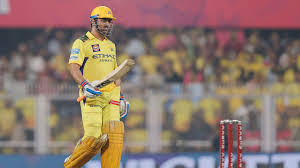
DRS made its IPL debut back in 2018. At first, some fans and experts pushed back, feeling tech might take away from cricket’s human element. The MS Dhoni CSK: Captain Cool style of using DRS showed everyone how veteran leadership could make the most of these new tools.
The early days came with some hiccups—glitches and a few calls that sparked heated debates around cricketing circles. But by 2019, things started to click. Accuracy rates shot up, and DRS correctness jumped from 92% to 97.8%, according to CricInfo.
Chennai Super Kings were quick to jump on board. MS Dhoni’s sharp decision-making carried over into how he handled DRS reviews. The team’s analysts even began tracking umpire tendencies, noticing that some officials leaned certain ways on specific calls. By 2022, every IPL team had at least one DRS strategist working alongside their coaches.
When the pandemic hit in 2020, DRS became even more central. With bio-bubbles limiting on-field huddles, teams started using pre-set hand signals and planned review triggers, making the system faster and more deliberate.
The DRS Process: Step-by-Step Breakdown for Players and Umpires
When a team signals for a DRS review, the clock starts—a tight 15-second window. Instantly, the on-field umpire gets on the headset with the third umpire, giving the original call and explaining the appeal.
The third umpire sticks to a set routine, first running Ultra Edge to spot any bat contact. If there’s a nick, the review ends right there, and the call stands. For LBW shouts, ball-tracking tech rebuilds the delivery’s path, checking where it hit the pad, its projected line, and whether it would’ve hit the stumps.
IPL Delhi Capitals have dialed up review tactics, too. Some players handle specific appeals—keepers usually call for edge reviews, while bowlers focus on LBW calls, leaning on their intimate knowledge of their deliveries.
But the “umpire’s call” rule complicates things. The ball has to strike more than 50% of the stump to overturn a not-out call. This buffer recognizes the small error margin in the tech, while still letting the on-field umpire maintain authority. Teams always have to gamble—do they spend a review on a close one or hold back?
That time crunch makes every second count. Teams have to weigh the odds lightning-fast on borderline calls.
Major Benefits of DRS in IPL Matches
DRS has cut mistakes in IPL matches to under 2% for reviewed decisions. That kind of accuracy can decide who sneaks into the playoffs, especially when a single win or a tiny shift in net run rate tips the scales.
But DRS does more than just get the calls right. Batsmen don’t second-guess aggressive shots as much, knowing they can challenge truly bad decisions. Meanwhile, bowlers have learned to be choosier with their appeals, since wasted reviews can cost them later.
Strategy has gone to a whole new level. Chennai Super Kings Fast bowlers, for example, now target lines that produce those close LBW calls, knowing how “umpire’s call” works in their favor.
Fans get drawn in, too. DRS reviews add drama, and TV broadcasts spend serious time unpacking each one. It gives everyone—viewers, commentators, and former players—a chance to weigh in and see what went into the decision.
And from a business angle, broadcasters love it. Review segments fill air time with expert analysis, replays, and slow-motion breakdowns that even casual fans can learn from, making the whole experience richer for everyone.