MBSG
 CFC
 PSG
 LYON
 SEV
 OSA
 NED
 OMA
 NZ
 IND
 NAM
 IRE
 PAK
 SL
 SA
 AUS
 Barcelona1
 Real Madrid2
 Udinese0
 Milan2
 Real Sociedad2
 Levante1
 Lecce0
 Juventus2
 LUL71/1 (6.2/20 ov, target 88)
 SPR87
 NZ-A317
 IND-A113 & 488/8 (119 ov)
 SYL575/4 (167.3 ov)
 KHU
 MYMS465/7d
 CHATT424/6 (121 ov)
 DHA521
 RAJ162 & 215/5 (59.1 ov) (f/o)
 RAN402 & 5/0 (2.3 ov)
 BAR443/9d
 SIKM30/1 (15 ov)
 NAGA187
 JHK
 DELHI309/5 (90 ov)
 ODSA194
 SVCS13/0 (5 ov)
 BRODA259/6 (86 ov)
 J & K
 CHD363/2 (87 ov)
 HP
 CGR35/1 (14 ov)
 AP231
 MOW
 TOK
 BRB
 MIS
 BIK
 CHR
 MEX-W51 (12.5/20 ov, target 187)
 ARG-W186/7
 NGA148
 UGA147/9 (20 ov, target 149)
 GMB112/9
 LES109 (19.5/20 ov, target 113)
 MOZ110/7 (19/20 ov, target 110)
 ZMB109/9
 IND-W328/6
 ZIM-W207 (48.5/50 ov, target 329)
 ENG241
 Abha
 Al Faisaly
 Sassuolo
 Lazio
 AS Roma
 Cagliari
 Torino
 Como
 NEF
 ITT
 Sunderland0
 Leeds0
 Freiburg1
 Bayern3

Bluetooth audio stability technology has become a cornerstone for audio communication, enabling seamless connections for devices worldwide. As of July 15, 2025, the latest Bluetooth-enabled audio device,
What are the Basics of Bluetooth Communication?
Bluetooth operates as a short-range wireless communication standard, primarily designed for transmitting audio and data between devices. The technology uses radio waves in the 2.4 GHz ISM band, allowing devices to communicate over distances typically up to 30 feet (10 meters).
As Bluetooth has evolved, modern versions like Bluetooth 5.0 and above have significantly enhanced signal stability and range. This makes it easier for users to enjoy uninterrupted audio experiences, even in environments with multiple wireless devices.
Understanding the basics of Bluetooth sets the stage for its evolution.
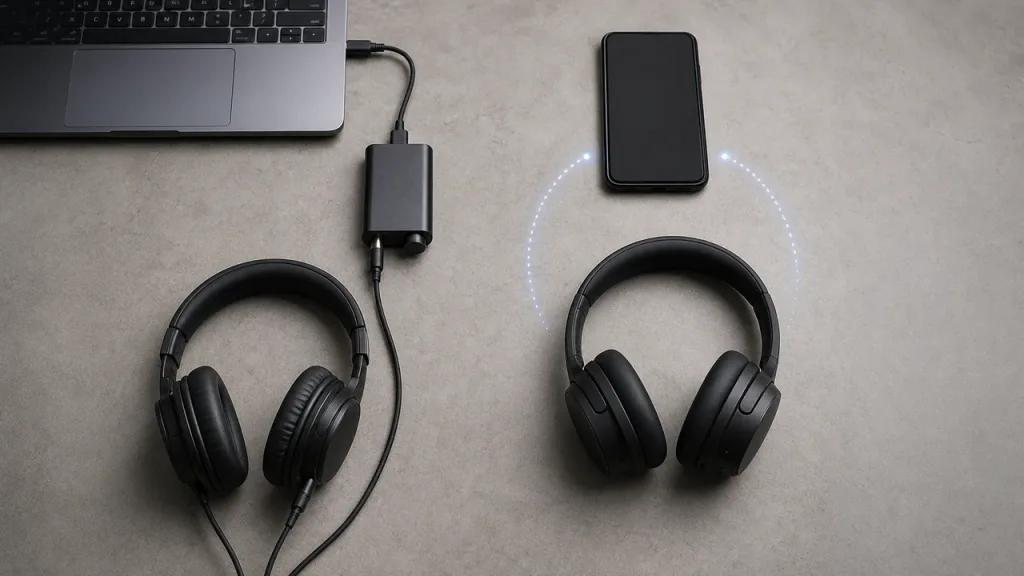
How Have Bluetooth Standards Evolved?
The evolution of Bluetooth standards has been important in enhancing audio reliability. The latest specification was officially announced in June 2024, introducing features like increased data transfer speed and improved error correction capabilities.
For instance, Bluetooth 5.0 introduced a fourfold range increase and double the data transfer speed compared to its predecessor, Bluetooth 4.2. This means users can expect better audio quality and fewer dropouts, especially in crowded wireless environments.
Next, let’s examine how external factors can affect Bluetooth audio stability.
What Interference Can Affect Bluetooth Signals?
Interference from other wireless devices poses a significant threat to Bluetooth audio stability. Common culprits include Wi-Fi networks, microwaves, and even other Bluetooth devices ope
Physical obstructions, such as walls and furniture, can also weaken the signal. For example, a Bluetooth speaker placed behind a wall may experience noticeable lag or disconnections. Therefore, optimal placement and minimizing interference sources can vastly improve audio quality.
Now, let’s consider how distance and environmental factors play a role.
What are the Range Limitations and Environmental Factors?
Distance is a crucial factor in Bluetooth performance. While Bluetooth devices typically maintain connectivity up to 30 feet, various environmental conditions can impact this range.
For instance, if there are multiple walls or electronic devices between the transmitter and receiver, the effective range can drop significantly. The material of the barriers—such as metal or concrete—also affects the signal strength.
In addition to distance, the audio codecs used can impact overall audio quality. Let’s explore this aspect further.
How Do Codecs Impact Audio Quality?
Audio codecs play a vital role in determining the audio quality in Bluetooth communication. Common codecs include SBC, AAC, aptX, and LDAC. Each codec has its strengths and weaknesses regarding latency and sound fidelity.
For example, aptX HD can provide higher-quality audio streaming with less latency than the standard SBC codec, making it ideal for watching videos or playing games. The choice of codec can thus dramatically influence the user’s listening experience.
Next, we’ll examine how device compatibility can affect performance.
How Does Device Compatibility Affect Bluetooth Audio?
Device compatibility is another critical aspect influencing Bluetooth audio stability. Not all devices support the latest Bluetooth standards or codecs, leading to potential issues in audio quality.
For instance, connecting a new Bluetooth 5.0 device to an older Bluetooth 4.0 device may not leverage the full capabilities of the newer technology. This can result in reduced audio quality and increased latency.
Understanding compatibility ensures users can make informed choices when purchasing new audio devices.
FAQs
What is Bluetooth audio latency?
Bluetooth audio latency refers to the delay between the audio being transmitted and it being heard. This is particularly noticeable in video playback.
How does distance affect Bluetooth signal?
Distance affects the strength of the Bluetooth signal; the farther the devices are, the weaker the connection, leading to potential dropouts.
What are common Bluetooth codecs?
Common Bluetooth codecs include SBC, AAC, aptX, and LDAC, each offering different audio quality and latency levels.
How can I improve Bluetooth audio stability?
To enhance Bluetooth audio stability, minimize interference by keeping devices close, reducing physical barriers, and ensuring compatibility between devices.