MEX-W
 ARG-W
 CRY0
 NEW1
 HUL1
 BRE0
 LIV2
 BHA0
 MAN0
 BOU2
 ATA3
 FRO3
 GEN1
 VEN0
 MON0
 LILL1
 LEC
 JUV
 RSO
 LEV
 UDI
 MIL
 BAR
 RMA
 Mohun Bagan
 Chennaiyin
 PSG
 Lyon
 Sevilla
 Osasuna
 NED
 OMA
 NGA148
 UGA147/9 (20 ov, target 149)
 ATH4
 GET0
 INT2
 FIO1
 CHU2
 PFC3
 LIMWn
 NW-W
 NCWmn
 FsWm
 BOL137/9 (20 ov)
 TITNS137/8
 NWEST22/3 (3.1/20 ov, target 181)
 NCAPE180/3
 MIS124/4 (15/20 ov, target 170)
 VAG169/4
 NZ-A317
 IND-A113 & 106/2 (36 ov)
 SYL280/2 (84 ov)
 KHU
 MYMS465/7d
 CHATT134/2 (40 ov)
 DHA521
 RAJ103/6 (26 ov)
 RAN402
 BAR179/3 (56.1 ov)
 BRB
 MOW
 TOK
 SIKM
 NAGA
 JHK
 DELHI
 ODSA
 SVCS
 CGR
 AP
 GMB112/9
 LES109 (19.5/20 ov, target 113)
 MOZ110/7 (19/20 ov, target 110)
 ZMB109/9
 IND-W328/6
 ZIM-W207 (48.5/50 ov, target 329)
 PAK243/9 (47.1/50 ov, target 242)
 ENG241
 UAE244/8
 KER0
 MCFC0
 TSG0
 B040
 NEC2
 GRO2
 PSV1
 FEY1
 Motherwell0
 Hearts1
 CDN
 SCB
 Atlético1
 Deportivo0
 Lazio2
 Parma1
 Lens2
 Paris FC1

Finding the best Android phones means cutting through the noise and focusing on what actually works. Today’s Android flagship market is packed with options — Samsung’s latest Galaxy series, Google’s Pixel lineup, OnePlus’s speed-focused devices, and more. Whether you care most about camera quality, processing power, or battery life, the best Android phones deliver real advantages across the board.
Flagship Leaders Dominate the 2026 Market
Samsung’s Galaxy S25 Ultra is still the phone to beat. It combines a 6.9-inch display with Snapdragon 8 Elite processing and a quad-camera setup that includes a 200MP main sensor. Google’s Pixel 10 Pro fights back with computational photography that’s honestly impressive — its 50MP main sensor pulls sharper low-light photos than the specs would suggest. Then there’s OnePlus 13 Ultra, which packs 16GB RAM and Aqua Touch technology for noticeably faster responsiveness.
Here’s the thing though: specs aren’t what matter anymore. What counts is which phone actually solves your problems. Samsung crushes multitasking. Google owns photography. OnePlus prioritizes raw speed. Pick whichever fits your workflow best.
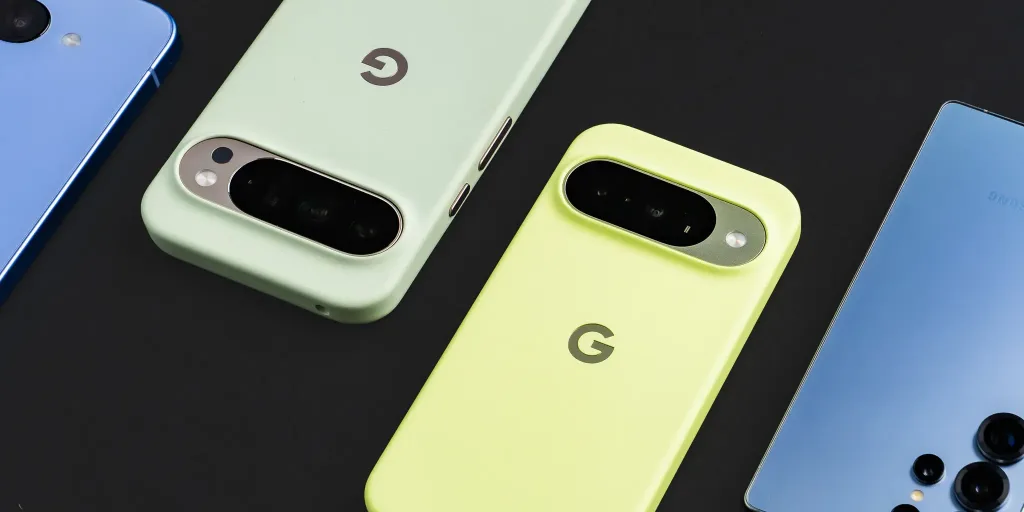
Camera Performance Separates Best Android Phones
Camera quality is what really separates the flagships now. According to GSMArena, the best Android phones consistently rank highest in low-light and zoom tests. Samsung’s 50MP telephoto with 5x optical zoom beats the competition for daylight range shots. Pixel 10 Pro’s Night Mode produces usable images at ISO 12,800 — that’s three stops better than the previous generation.
Worth noting: mid-range devices are getting better too. Motorola Edge 50 and Nothing Phone 2a both deliver solid 50MP sensors at roughly half the flagship price.
Processor Speeds and RAM Configurations
Most of the best Android phones in 2026 run on Snapdragon 8 Elite. You’re looking at 25% faster CPU performance compared to last year’s chips. MediaTek’s Dimensity 9400 is emerging as a real alternative — it matches Snapdragon in everyday apps while using 15% less power.
RAM starts at 12GB on flagships now. Samsung offers 16GB if you want it. Google’s Pixel 10 tops out at 12GB but uses software smarts to make it feel faster. Storage across the board begins at 256GB.
Price Points and Value Rankings
| Device | Starting Price | Best For |
| Samsung Galaxy S25 Ultra | $1,299 | Overall flagship |
| Google Pixel 10 Pro | $999 | Photography |
| OnePlus 13 Ultra | $899 | Speed/value |
| Motorola Edge 50 | $449 | Budget flagship |
Android phones in 2026 break down into three clear tiers. Flagships ($899–$1,299) dominate performance and features. Mid-range devices ($400–$600) deliver 80% of flagship capability at friendlier prices. Budget phones ($200–$400) handle daily tasks just fine.
What’s Next for Android Hardware
Folding phones are getting better beyond Samsung’s Galaxy Z Fold 6. Manufacturers are testing under-display cameras to ditch notches entirely. Battery improvements should push flagship endurance past 7-day standby claims by 2027. Software optimization will increasingly be what sets phones apart rather than raw hardware specs.
People Also Ask
Q: Which Android phones have the longest battery life?
Samsung Galaxy S25 Ultra and OnePlus 13 Ultra both exceed 18 hours of mixed use. Google Pixel 10 Pro gets around 16 hours but prioritizes photography performance.
Q: Are Android phones better than iPhones?
That depends on what you care about. Android phones offer more customization and hardware variety. iPhones deliver tighter software integration. Neither is objectively better — it’s personal preference.
Q: What’s the cheapest best Android phone?
Motorola Edge 50 starts at $449 with flagship-class features. Nothing Phone 2a
comes in at $399 and offers exceptional design for the price.
Q: Do Android phones support wireless charging?
All flagships support it. Most mid-range devices ($500+) include wireless charging. Budget models typically skip it.