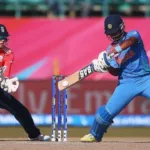
India’s sports infrastructure is getting a major overhaul. Prime Minister Narendra Modi just inaugurated six indoor academies across North-East India, giving rural youth year-round training opportunities they never had before. Kids who once had to move to big cities just to train seriously now have real options. This shift is reshaping how we develop grassroots cricket in India, making sure talent discovery happens everywhere—not just in Mumbai or Delhi.
Six New Indoor Academies Empower North-East Cricket Talent
Six state-of-the-art facilities just opened in Rangpo, Doimukh, Imphal, Madankurklang, Aizawl, and Dimapur. That’s a game-changing moment for North-East cricket. These centers are built to spread talent development across the region instead of concentrating it in traditional hubs. They combine advanced coaching with clear pathways to professional cricket—things that were basically out of reach for players here before.
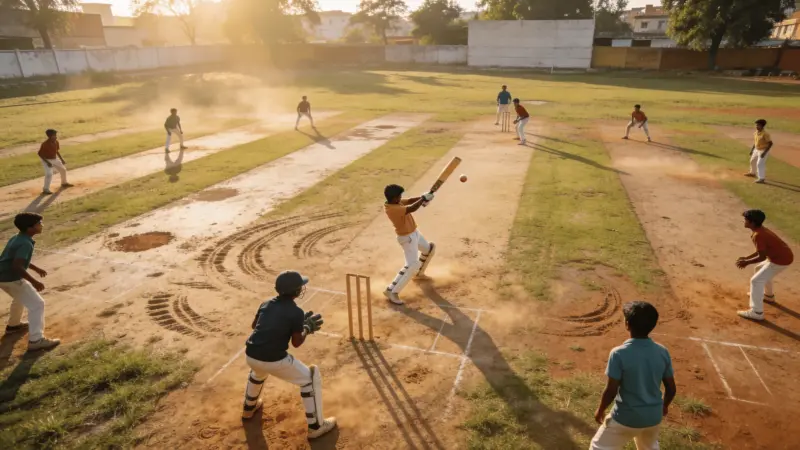
Here’s what’s really significant: young athletes no longer need to leave home to get serious training. It’s a strategy that’s long overdue. The board deserves credit for prioritizing access over keeping things the way they’ve always been.
Think about the real impact here. A kid from a remote village in Mizoram can now use the same bowling machines and video analysis tools as trainees at the National Cricket Academy in Bengaluru. This isn’t just about finding the next superstar. It’s about creating genuine professional opportunities for thousands of young people who wouldn’t have had any chance otherwise. The picture is far more complex than most headlines suggest.
Technology and structured coaching in these rural areas means raw talent gets refined long before reaching the national stage.
Red-Ball Tournament and 2026 Talent Identification Pathways
The board’s also changing how young players compete. An intra-Centre of Excellence red-ball tournament in Bengaluru is coming in June-July 2026. It’s scheduled to feature 64 top cricketers under 25—including rising stars like Vaibhav Sooryavanshi and Ayush Mhatre. This directly addresses where India’s Test cricket has gaps right now.
As ESPN Cricinfo has reported, this responds to what international cricket demands today.
VVS Laxman’s overseeing the tournament, which uses four-day matches to test how young players handle pressure and technique. While IPL coverage dominates the news cycle, this red-ball focus shows the board hasn’t forgotten about Test cricket excellence.
The new contract structure tells its own story too. Veterans like Virat Kohli and Rohit Sharma moved to Grade B after stepping back from Test cricket, clearing the way for the next generation. Shubman Gill jumped to Grade A+ and Jasprit Bumrah stayed at Grade A—that’s the new pecking order in Indian cricket.
FAQs
Where are the new indoor cricket academies located?
The six academies are in Rangpo (Sikkim), Doimukh (Arunachal Pradesh), Imphal (Manipur), Madankurklang (Meghalaya), Aizawl (Mizoram), and Dimapur (Nagaland). They were launched to give North-East players year-round training facilities.
Who’s eligible for the upcoming CoE red-ball tournament?
The tournament’s for 64 of India’s best young cricketers aged under 25. It’s designed to identify and develop future Test players using a high-intensity, four-day match format in Bengaluru.
How did player contracts change for 2025-26?
The board updated contracts in February 2026. Virat Kohli and Rohit Sharma moved to Grade B, Shubman Gill got Grade A+, and Jasprit Bumrah stayed at Grade A.
What’s the board doing to support grassroots cricket?
They’re building new indoor academies and investing in grassroots programs to boost talent development across India’s remote regions.
How will these new academies help young cricketers?
The facilities offer world-class training year-round, regardless of weather. That means consistent practice and real improvement for kids who’d otherwise have limited access.
What’s the expected impact on India’s domestic cricket?
These investments should create a stronger talent pipeline, finding and developing cricket talent from every background. That means a deeper pool of players for the national team down the road.
Which regions benefit most from these initiatives?
The focus is on remote and underserved areas where quality cricket training’s been hard to find. Now talent from anywhere in India has a real shot.
How can young cricketers get involved with these grassroots programs?
They can join local training camps and academies set up by the board, usually run through state cricket associations. Staying on top of these developments means knowing where the real opportunities are.