PAK80/4 (14.1/50 ov, target 242)
 ENG241
 IND-W328/6
 ZIM-W60/1 (12.3/50 ov, target 329)
 INT0
 FIO0
 CHU2
 PFC2
 FOR0
 EXC0
 Hibernian1
 Celtic1
 NGA
 UGA
 ATH
 GET
 MEX-W
 ARG-W
 CRY
 NEW
 HUL
 BRE
 LIV
 BHA
 MAN
 BOU
 ATA
 FRO
 MOZ110/7 (19/20 ov, target 110)
 ZMB109/9
 GMB112/9
 LES109 (19.5/20 ov, target 113)
 UAE244/8
 NED245/7 (43.5/50 ov, target 245)
 DEN
 PNG
 KENYA
 JER
 MOUNT185
 TUSK87/3 (20.3/50 ov, target 186)
 ROCKS147/4 (28.5/50 ov, target 287)
 EAGLE286/7
 LIMWn
 NW-W
 NCWmn
 FsWm
 BOL36/3 (5.3/20 ov, target 138)
 TITNS137/8
 EASTN
 SA-EM131/8 (17.4/20 ov)
 KZNIN164/3 (17/17 ov)
 WPR66/1 (6/17 ov, target 167)
 NWEST22/3 (3.1/20 ov, target 181)
 NCAPE180/3
 MIS
 VAG
 BRB
 MOW
 TOK
 SIKM
 NAGA
 JHK
 DELHI
 GEN
 VEN
 MON
 LILL
 Atlético1
 Deportivo0
 Lazio2
 Parma1
 Lens2
 Paris FC1
 Al Riyadh2
 Al Taawoun1
 Chelsea0
 Spurs2
 Valencia1
 Villarreal2

Before the inaugural 2023 season, women’s cricket lived in the shadows of the men’s game, struggling for consistent commercial visibility. Then the league model changed everything. It became a powerful engine for professionalization. Fast forward to May 2026, and it’s clear the league’s success has created a new commercial asset class that now shapes global cricket standards.
The Financial Catalyst Behind the Women’s Premier League 2026
The league’s growth has been transformative for the sport’s global economy. The BCCI unbundled commercial rights from the men’s tournament and generated an impressive US$116 million in media rights. That financial independence lets teams invest heavily in infrastructure, which you can see reflected in the BCCI’s grassroots programs.
Previous decades saw investment stagnate. Not anymore. The current model prioritizes talent identification and player development, creating a sustainable pipeline for future stars. The January-February window in the ICC’s Future Tours Programme further cements the league’s position as a premier global event.
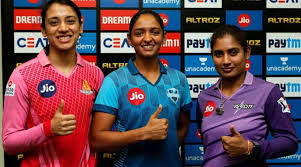
Cross-Cultural Mentorship and the Evolution of Playing Styles
Here’s where it gets really interesting. The most profound impact comes from the cultural exchange between international players. When veterans like Meg Lanning share dressing rooms with emerging Indian talent, tactical evolution accelerates at an unprecedented rate.
This mentorship cycle is fostering a new generation comfortable with high-pressure franchise cricket. As the ICC expands international events in 2026, this cross-pollination of skills becomes even more vital. Players bring diverse methodologies from their home boards into a unified, high-performance environment. It’s no longer just about winning matches—it’s about building a global language of professional cricket.
Impact of the 2026 ICC Expansion on Global Competition
The ICC’s decision to expand the Women’s T20 World Cup to 12 teams signals the sport is ready for a wider stage. This growth is directly supported by the professional habits cultivated in leagues like the WPL, where players now experience year-round conditioning and tactical analysis.
With 33 matches scheduled across seven venues, the tournament will test every participating nation’s depth. We’re seeing smaller cricketing nations become increasingly competitive, largely because their players gain exposure to elite franchise setups. That level of preparation was once reserved for top-tier teams only. Now professionalized club structures are rapidly narrowing the gap between nations.
Future Strategic Directions for Sustainable Development
Maintaining momentum requires a focus on long-term infrastructure and talent retention. The five-team structure works for now, but the focus must shift toward expanding reach into secondary markets.
Investing in technology partnerships, like the collaboration with ChatGPT, shows the league’s intent to stay at the forefront of digital innovation.
FAQs
How has the WPL impacted women’s cricket globally?
The league has established women’s cricket as a distinct commercial asset class. Players now earn professional salaries, access improved infrastructure, and get high-quality competitive exposure that mirrors the men’s game.
Is there a plan to expand the number of teams in the WPL?
As of March 2025, BCCI chairman Arun Dhumal confirmed there are no immediate plans to expand the WPL beyond the current five teams.
What does the 2026 ICC expansion mean for the sport?
The expansion to 12 teams for the T20 World Cup reflects global growth in the game. It allows more nations to compete at the highest level of international cricket.
What is the league model and how is it impacting women’s cricket?
The franchise-based league structure has successfully commercialized cricket in India. Its impact on women’s cricket includes increased visibility, sponsorship opportunities, and professional pathways for female athletes, creating a more robust ecosystem for the sport.
How has women’s participation in cricket changed since the league’s introduction?
Women’s participation in cricket has significantly increased since the league launched. More women are taking up the sport at grassroots levels, and professional leagues now provide platforms to showcase their talent, driving greater interest and investment.
What are the key benefits of the league for female cricketers?
Female cricketers gain enhanced financial opportunities, access to better training facilities, exposure to international talent, and increased media coverage. Together, these factors drive growth in women’s cricket.
How does the future look for women’s cricket beyond 2026?
The future looks promising. Ongoing investments in leagues like the WPL, increasing fan engagement, and a growing emphasis on gender equality in sports are expected to foster greater talent development and commercial success.
Are there any challenges facing women’s cricket despite the growth?
Yes, challenges remain. Pay disparities compared to male counterparts, limited media coverage outside major tournaments, and the need for more grassroots programs all require attention. Addressing these issues will be crucial for sustained advancement of women’s cricket.