MEX-W
 ARG-W
 RBNY1
 MIA0
 Palmeiras1
 Bragantino0
 Vasco1
 Corinthians0
 UAE
 NED
 PAK
 ENG
 IND-W
 ZIM-W
 GMB
 LES
 MOZ
 ZMB
 Inter Milan
 Fiorentina
 Churchill
 Punjab FC
 NGA
 UGA
 ATM1
 DEP0
 LAZ2
 PAR1
 RCL2
 PAR1
 RIY2
 TAA1
 NZ-A159/4 (49.2 ov)
 IND-A113
 SYL
 KHU
 MYMS299/4 (87 ov)
 CHATT
 DHA293/3 (84.1 ov)
 RAJ
 RAN320/5 (80 ov)
 BAR
 DEN
 PNG
 NAM321/6
 IRE290 (47.3/50 ov, target 322)
 NZ180/5
 IND181/6 (19.5/20 ov, target 181)
 Athletic
 Getafe
 C Palace
 Newcastle
 Hull
 Brentford
 Liverpool
 Brighton
 Man United
 Bournemouth
 Atalanta
 Frosinone
 CHE0
 TOT2
 VAL1
 VIL2
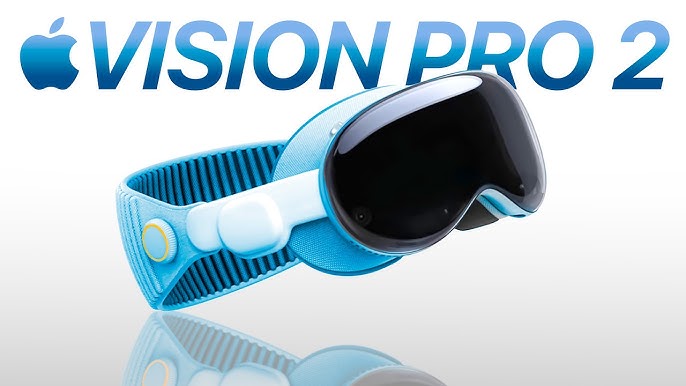
The upcoming Apple Vision Pro 2 display technology upgrades mark an exciting step forward for the company’s spatial computing goals. Display technology is expected to be one of the most important areas of improvement for the next-generation Apple Vision Pro. While Apple’s current headset already uses industry-leading micro-OLED displays with 23 million pixels across both eyes, future versions are widely rumoured to focus on brighter visuals, better efficiency, sharper imagery, and smoother motion.
Analyzing the Current Hardware and Potential Upgrades
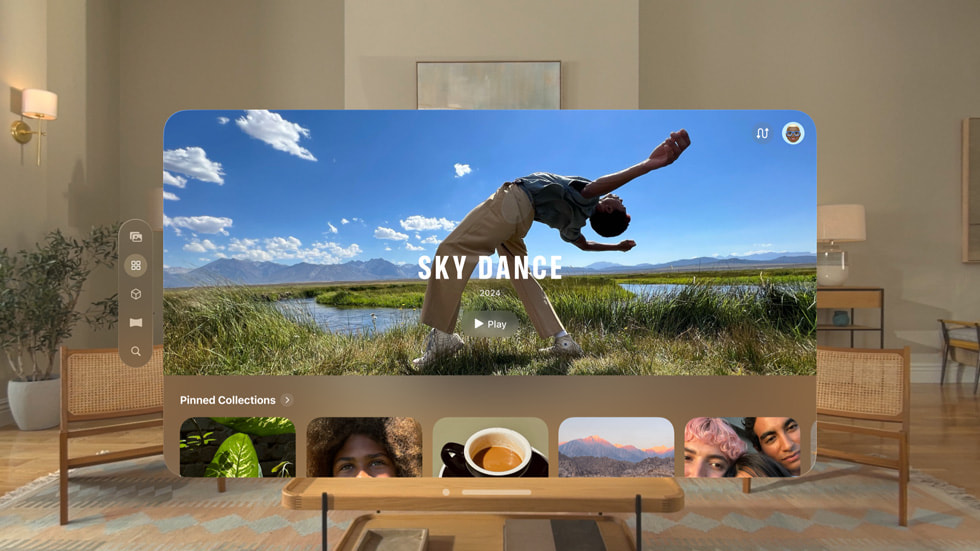
The first-generation Apple Vision Pro features a cutting-edge micro-OLED display system that packs in 23 million pixels across two displays.
Each display is about 1.42 inches wide, powered by the M2 chip and R1 co-processor, which helps ensure smooth and low-latency visual processing. Given how densely packed the current hardware is, the big question is how Apple plans to enhance immersion without adding extra weight or heat.
We think any effort to boost pixel density or brightness will demand major advances in power management.
| Feature | Apple Vision Pro (Gen 1) | Vision Pro 2 (Rumoured) |
|---|---|---|
| Display Type | Micro-OLED | Next-gen Micro-OLED (Unconfirmed) |
| Resolution | 23 Million Pixels | Higher Density (Unconfirmed) |
| Chipset | M2 + R1 | M-Series Successor (Unconfirmed) |
| Display Size | 1.42 inches per eye | Likely Similar |
Not everyone is on board with this direction—some critics argue that the current resolution meets the needs of most enterprise tasks. However, the real opportunity lies in enhancing brightness and power efficiency through advanced panel manufacturing. For more information.
While Apple hasn’t revealed specifics about resolution or pixel density for the Vision Pro 2, supply chain analysts suggest the company is exploring panels that could significantly minimize the “screen-door effect” while boosting peak brightness. There are also rumors about a more affordable “Apple Vision” headset variant, which may focus on cost-effective components instead of the high-end features seen in the Pro line.
Higher Refresh Rates
Apple’s latest Vision Pro hardware refresh already increased maximum refresh rates from 100Hz to 120Hz while allowing the system to render more pixels. Future display upgrades are expected to continue this trend, delivering smoother motion, reduced blur, and more comfortable extended use for gaming, productivity, and immersive media.
Better Color Accuracy and HDR Performance
Advanced micro-OLED developments across the industry are enabling wider color gamuts, true 10-bit color reproduction, and improved HDR capabilities. Future Vision Pro displays could benefit from richer colors, deeper blacks, and more realistic lighting effects, making movies, spatial photos, and professional creative work look even more lifelike.
The shift from the first generation to the next will depend on whether Apple can keep its high standards for visual quality while also reducing the overall size of the device. Looking ahead, we predict that new display technology will align with other hardware upgrades, optimizing how the R1 co-processor manages incoming data. Apple will likely keep refining its spatial computing ecosystem, ensuring the hardware can handle the increasingly complex workflows in the latest visionOS updates. The real question is whether these internal display improvements will be enough to justify the premium price tag.
FAQs
Will the Apple Vision Pro 2 feature higher resolution?
As of June 15, 2026, Apple hasn’t officially confirmed any specific upgrades in resolution. Although leaks hint at tests for higher-density panels, the company hasn’t validated any changes to the existing 23-million-pixel setup.
What is the expected price?
Apple hasn’t shared any pricing details yet. Since the original model debuted at $3,499, most analysts think the Pro line will stay in the premium range, while a potential budget-friendly “Apple Vision” version may target a different audience.
When will the Apple Vision Pro 2 be released?
As of June 2026, Apple has not announced a confirmed launch date or timeframe. Right now, the company is concentrating on expanding the software capabilities of the current ecosystem with visionOS 2. The Apple Vision Pro