In a historic shift that marks the end of an era, Apple has overtaken Samsung to become the global smartphone industry leader in 2025. This milestone represents the first time in over a decade that Samsung has lost its crown, signalling a new chapter in the smartphone wars.
The New Global Rankings
| Rank | Brand | Market Share | Key Strength |
|---|---|---|---|
| 1st | Apple | ~20% | Premium consistency & ecosystem |
| 2nd | Samsung | ~19% | Wide portfolio & global reach |
| 3rd | Xiaomi | ~13% | Value segments & emerging markets |
| Others | Various | ~48% | Regional diversity |

How Apple Won the Crown
According to Counterpoint Research, global smartphone shipments grew by a modest 2% year-on-year in 2025, reflecting market stabilization after years of decline. Within this recovering landscape, Apple managed to capture approximately 20% of worldwide shipments, edging past Samsung’s 19% share.
What’s remarkable isn’t just the victory—it’s how Apple achieved it. While competitors struggled with flat or declining numbers, iPhone demand remained consistently strong across key markets. From North America to Europe and Asia, Apple maintained momentum in a low-growth environment, proving that premium positioning and ecosystem loyalty can overcome broader market headwinds.
Samsung’s Setback—But Not Defeat
Samsung’s slip to second place doesn’t signal weakness—the Korean giant still commands nearly one-fifth of global shipments through its diverse product lineup spanning flagship to budget segments. However, its performance lagged slightly behind Apple’s sustained growth, resulting in the leadership change.
For tech enthusiasts following TechnoSports, Samsung’s challenge mirrors what we see in gaming hardware: diversification versus specialization. Samsung offers devices at every price point; Apple focuses on premium integration. Both strategies work, but 2025 favored Apple’s approach.
Xiaomi Holds Strong at Third
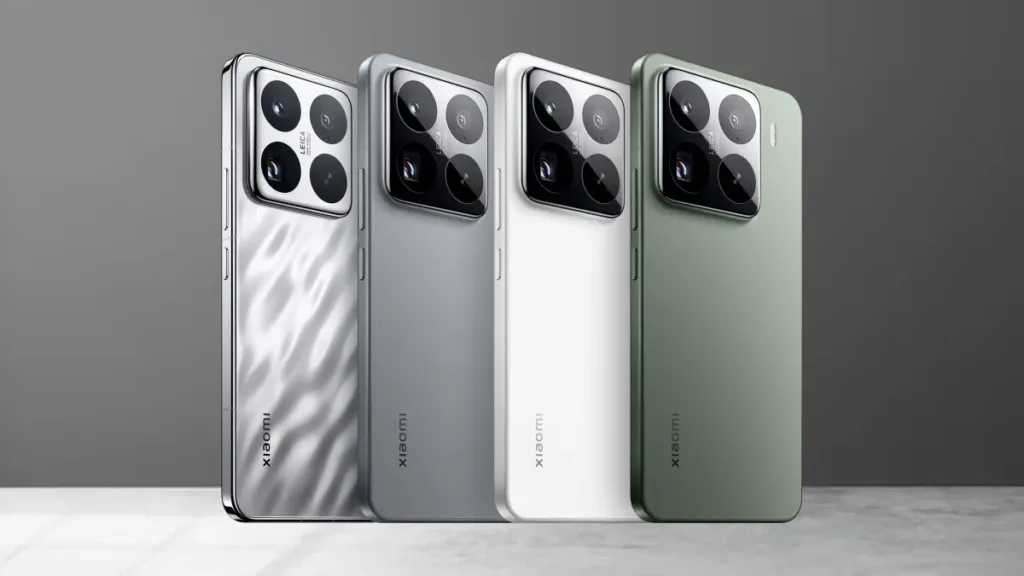
Xiaomi secured third place with approximately 13% market share, maintaining its position as the largest player outside the Apple-Samsung duopoly. The Chinese manufacturer’s strength in price-competitive segments and emerging markets kept it relevant, though the gap to the top two remains substantial.
What This Means for Consumers
This leadership shift could influence smartphone innovation and pricing:
- Intensified competition may drive better features at lower prices
- Ecosystem battles will escalate (Apple vs. Android)
- Premium segment growth could accelerate
- Mid-range innovation from Samsung to reclaim leadership
For mobile gamers and content creators, this competition benefits everyone. As brands fight for market share, expect better cameras, faster processors, and more gaming-optimized features across price ranges.
The Broader Picture
The remaining 48% of the market comprises numerous regional and niche players, highlighting how fragmented the smartphone landscape remains. This diversity ensures that consumers have choices beyond the big three, fostering innovation across segments.
Bottom line: Apple’s 2025 victory proves that in mature markets, even marginal gains matter. As replacement cycles normalize and demand stabilizes, the battle for smartphone supremacy is far from over.
Stay updated on mobile tech trends at TechnoSports—your source for smartphone reviews and gaming tech news.