

Apple‘s next-generation processor comes with sticker shock. The A20 chip will cost Apple approximately $280 per unit, representing an 80% increase over the current A19 powering the iPhone 17 lineup. This unprecedented jump could fundamentally reshape iPhone pricing when the iPhone 18 arrives later this year.

Apple A20 Chip: Breaking Cost Records
The spike stems from TSMC’s cutting-edge 2nm manufacturing process and Gate-All-Around (GAA) technology, combined with escalating memory prices. This makes the A20 the most expensive mobile processor ever produced—a title that reflects both technological ambition and market realities.
TSMC’s N2P process employs first-generation nanosheet transistor technology, where gates completely surround the channel for superior electrostatic control. This architecture enables 1.2x higher logic density compared to previous generations, translating to better performance without proportional power increases.
| Specification | A20 Chip | A19 Chip |
|---|---|---|
| Cost Per Unit | ~$280 | ~$155 |
| Process Node | TSMC 2nm N2P | TSMC 3nm |
| Technology | GAA/Nanosheet | FinFET |
| Packaging | WMCM | InFO |
| Performance Gain | +15% (estimated) | Baseline |
| Efficiency Boost | 20-30% less power | Baseline |

What This Means for iPhone Buyers
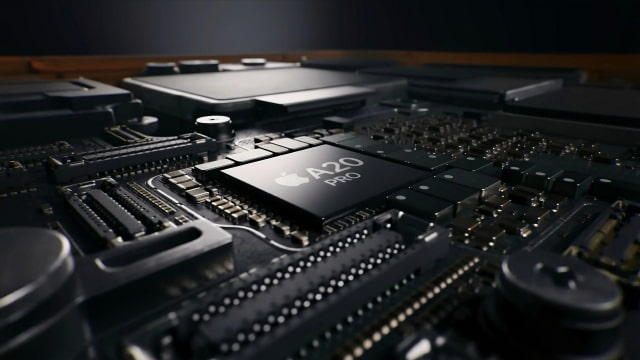
The A20 transitions from InFO to WMCM (Wafer-level Multi-Chip Module) packaging, allowing Apple to create variants like A20 and A20 Pro with different CPU and GPU core configurations. Each component can independently manage power consumption based on specific tasks, improving overall efficiency.
Will consumers absorb this cost? Apple historically accepts higher early manufacturing expenses to secure technological advantages. However, an 80% chip cost increase is unprecedented. Combined with rising memory prices, the bill of materials is climbing on multiple fronts, suggesting flagship phone price increases are likely.
Apple may limit 2nm chips to Pro models, creating a significant performance gap between standard and premium iPhones. Samsung’s competing Exynos 2600 uses similar GAA technology, but TSMC’s production lead gives Apple first access to volume manufacturing.
For comprehensive smartphone chip analysis and performance benchmarks, explore TechnoSports. Learn more about TSMC’s 2nm technology and Apple’s chip architecture.
The A20 represents more than incremental improvement—it’s a test of how much premium consumers will pay for cutting-edge mobile technology.


