
 SA329 (82.3 ov)
 AUS
AUS ROMA2
ROMA2 CAG1
CAG1 TOR1
TOR1 COMO0
COMO0 BRD1
BRD1 PET0
PET0 FLE1
FLE1 ARS0
ARS0 BAN
BAN WI
WI IND-W
IND-W ZIM-W
ZIM-W GOA
GOA SC Delhi
 Milan
Milan Bologna
 Parma
Parma Udinese
 Venezia
 Inter Milan
 Genoa
Genoa Juventus
 Monza
Monza Napoli
 SAS2
SAS2 LAZ6
LAZ6 AFG177
 ZIM140 (19.1/20 ov, target 178)
 ABH0
ABH0 ALF1
ALF1 PAK110
 SL114/2 (18.1/50 ov, target 111)
 SIKM184
 NAGA187 & 46/4 (34 ov)
 JHK131/4 (47 ov)
 DELHI515/5d
 ODSA194
 SVCS13/0 (5 ov)
 BRODA616
 J & K6/0 (4 ov)
 CHD685/5d
 HP49/0 (14 ov)
 CGR216/8 (95 ov)
 AP231
AP231 HYD193/2 (54 ov)
 PNJB431
 KNTKA297/7 (95 ov)
 TPURA194
 KER101/6 (35 ov)
 BENG350
 MAHA278/9 (100 ov)
 GUJ223
 MNPR364
 ARP111 & 95/2 (36 ov)
 UAE
UAE OMA
OMA ENG
ENG AUCK
AUCK CANT
CANT CD
CD ND
ND DEN
DEN QAT
QAT KENYA
KENYA KUW
KUW NAM316/7
 IRE253 (44.5/50 ov, target 317)
 NZ198/3
 IND199/4 (13.2/20 ov, target 199)
 NED371/5
 JAB113 (19.3/20 ov, target 133)
 KAY132/9
 EXC1
EXC1 ADO1
ADO1 SES3
SES3 ESP3
ESP3 UDC0
UDC0 ALM0
ALM0 ALC1
ALC1 LPA1
LPA1 TORD3
TORD3 MIR0
MIR0 CDL0
CDL0 MAJ0
MAJ0 GSCF0
GSCF0 CLE1
CLE1 LLA0
LLA0 PON1
PON1 Gamba Osaka
 Buriram
 Kashima
 Pohang Steelers
 Sevilla2
 Osasuna0
 PSG2
PSG2 Lyon0
Lyon0 Mohun Bagan1
 Chennaiyin0
 ALS3
ALS3 HIL1
HIL1
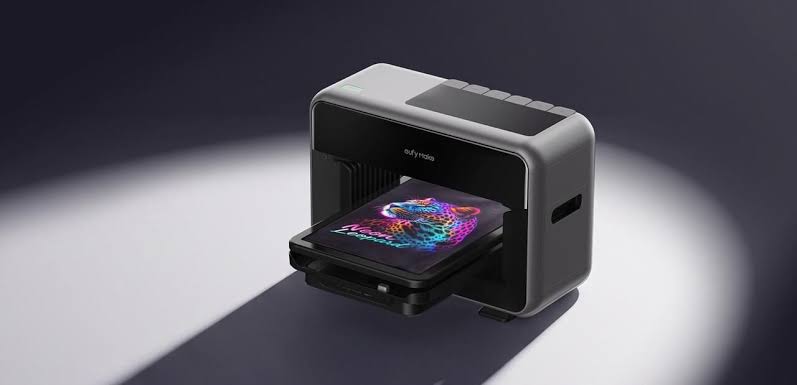
Anker, the brand best known for chargers and power banks, is reportedly working on a direct-to-garment fabric printer that could put custom apparel printing on your desk.
The device has surfaced through leaks and supply-chain reports rather than an official announcement, so treat every spec here as unconfirmed until Anker says otherwise. Why does it matter now? Because personalisation has exploded, and the hardware to serve it at home has barely moved in a decade.
What Is the Anker Direct to Garment Printer, and When Could It Arrive?
The device is reportedly a compact direct-to-garment printer designed to sit on a desk and print designs straight onto cotton and blended fabrics. Direct-to-garment, or DTG, is the technique commercial shops use to spray water-based ink directly into textile fibres, skipping screens and vinyl entirely.
Supply-chain chatter points to Anker, a brand best known for chargers and power banks, extending its make-anything-at-home playbook into apparel. No launch date has been confirmed, though the timing of component orders suggests a reveal within the current product cycle. Anker has form here: it quietly built a reputation for taking category-defining hardware and shrinking it for consumers, much as it did across its charging lineup.
Who Is It For, and How Much Might It Cost?
The clear target is creators, small-batch sellers, and hobbyists rather than commercial print shops. Think Etsy sellers printing ten shirts instead of a hundred, parents personalising school event tees, or designers prototyping a merch drop before committing to bulk runs.
Pricing has not surfaced, but the entire pitch collapses if it lands anywhere near the thousands of dollars professional DTG machines command, so a consumer-friendly bracket is the only sensible reading. Anker’s recent hardware pushes, from GaN chargers to its dabbling in peripherals that echo the Lenovo Android Launch strategy of aggressive entry pricing, suggest the company will fight on value. Watch for regional pricing reveals in India, the US, and the UK to signal exactly who Anker thinks this is for.
Can It Really Print on Any Fabric?
Cotton and cotton-rich blends are the realistic sweet spot; synthetics are the open question. Water-based DTG ink bonds best with natural fibres, which is why commercial shops still charge premiums for polyester work. Expect the first-generation device to handle standard tees, hoodies, and tote bags well, with performance on performance-wear fabrics remaining unproven.
Wash durability is the other make-or-break factor — cured DTG prints survive dozens of washes in professional settings, but a home machine needs simplified curing, likely heat-press or even tumble-dry based. Until independent testers put a unit through a laundry-cycle gauntlet, treat durability claims as marketing until proven. Fabric width and garment thickness limits will also matter more than most spec sheets admit.
How Does It Compare With Existing Options?
Today’s alternatives are either industrial machines or workaround methods, and there is a gap in between. Professional DTG printers from established Japanese and US manufacturers cost as much as a used car and demand maintenance rituals that scare off hobbyists.
Heat-transfer vinyl and sublimation offer cheaper entries but crack, peel, or restrict you to light-coloured synthetics. A genuine personal fabric printer would sit alone in that middle ground. The competitive ripple could extend beyond apparel, too — just as leaks around the Apple GPU Launch reshape expectations across phones, a credible home textile printer would pressure every craft-hardware maker to respond.
What Does This Mean for Creators and the Industry?
If the leaks hold, the biggest impact is on the long tail of apparel commerce, not the giants. Print-on-demand services currently take a cut of every custom shirt sold; a desk-side printer shifts small-batch production back to the creator’s desk, with margins to match.
It also lands in a moment when regulation is tightening around tech, from the New York AI Ban in classrooms to scrutiny of connected devices, so expect questions about ink safety and content moderation. Anker’s broader ecosystem push — the same one carrying products like the Philips S7221 5G India Launch: Price, Specs & Everything You Need to Know
FAQs
Is the Anker Direct to Garment printer officially announced?
No. All details currently come from leaks and supply-chain reports, and Anker has not confirmed the product, its specifications, or a launch date.
When would it launch and how much will it cost?
Will it work on polyester and synthetic fabrics?
Water-based direct-to-garment ink bonds best with cotton and cotton-rich blends, so synthetics are the least certain use case for a first-generation home device.
Was this article helpful?
Your feedback directly improves future articles on this site.


