SA329 (82.3 ov)
 AUS
AUS AFG177
 ZIM48/2 (8/20 ov, target 178)
 SAA0
SAA0 EST0
EST0 SAS
SAS LAZ
LAZ ROMA
ROMA CAG
CAG TOR
TOR COMO
COMO BAN
BAN WI
WI IND-W
IND-W ZIM-W
ZIM-W GOA
GOA SC Delhi
 Milan
Milan Bologna
 Parma
Parma Udinese
 ABH0
ABH0 ALF1
ALF1 PAK110
 SL114/2 (18.1/50 ov, target 111)
 NAM316/7
 IRE253 (44.5/50 ov, target 317)
 NZ198/3
 IND199/4 (13.2 ov)
 SIKM184
 NAGA187 & 46/4 (34 ov)
 JHK131/4 (47 ov)
 DELHI515/5d
 ODSA194
 SVCS13/0 (5 ov)
 BRODA616
 J & K6/0 (4 ov)
 CHD685/5d
 HP49/0 (14 ov)
 CGR216/8 (95 ov)
 AP231
AP231 HYD193/2 (54 ov)
 PNJB431
 KNTKA297/7 (95 ov)
 TPURA194
 KER101/6 (35 ov)
 BENG350
 MAHA278/9 (100 ov)
 GUJ223
 AUCK
AUCK CANT
CANT CD
CD ND
ND DEN
DEN QAT
QAT KENYA
KENYA KUW
KUW POA
POA SPR
SPR BRB
BRB VAG
VAG NED371/5
 OMA265 (49.3/50 ov, target 372)
 JAB113 (19.3/20 ov, target 133)
 KAY132/9
 BIK149 (19.3/20 ov, target 158)
 CHR157/3
 SEEB0
SEEB0 EBFC0
EBFC0 Venezia
 Inter Milan
 Genoa
Genoa Juventus
 Sevilla2
 Osasuna0
 PSG2
PSG2 Lyon0
Lyon0 Mohun Bagan1
 Chennaiyin0
 BEI2
BEI2 JHM2
JHM2 RCH0
RCH0 KRE0
KRE0Alfred Hitchcock’s 1960 psychological thriller Psycho premiered on June 16, 1960, and changed how we experience cinematic tension through visual storytelling. Even decades later, this classic is easily accessible to today’s audiences via various OTT platforms like Amazon Prime Video and Hulu. Produced by Shamley Productions and distributed by Paramount Pictures, the film features memorable performances by Anthony Perkins and Janet Leigh.
The film is famous for Hitchcock’s innovative use of camera angles to generate suspense. Filmmakers around the world still study this technique. By manipulating audience perspective through unique camera placements, Hitchcock made viewers complicit in the unsettling twists of the story. He didn’t just show the horror; he made us feel that voyeuristic intrusion in every frame.
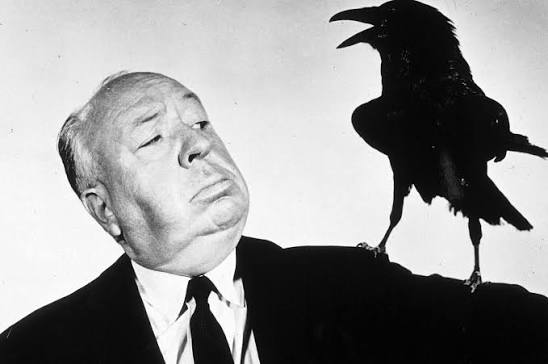
Alfred Hitchcock: Cinematic Mastery and Technical Precision
Hitchcock’s brilliance lay in his ability to make the ordinary feel threatening. He famously revolutionized the “shower scene” editing to amplify suspense, using rapid cuts that fragmented the action and left viewers disoriented. This short sequence redefined what could be shown on screen at the time. According to industry analysis from Variety, Hitchcock’s specific camera angles—like high-angle shots that portray characters as trapped—effectively stripped away the protagonist’s agency right before our eyes.
Beyond the technical aspects, the collaboration between Hitchcock and his lead actors allowed tension to fill every scene. Anthony Perkins and Janet Leigh delivered performances that relied on their physical presence just as much as their dialogue.
Hitchcock’s control over the camera’s movement ensured that audiences always looked exactly where he wanted them to, often right into the eyes of the antagonist. While some critics initially claimed the film’s violence was excessive for 1960, the box office results—estimated at $50 million worldwide unconfirmed—showed that audiences were captivated by his vision.
The visual language still holds relevance in today’s high-budget digital productions. The heart of suspense isn’t about the technology but rather the geometry of the shot.
Hitchcock recognized that a low-angle shot could make a character tower over the viewer, while a Dutch angle could hint at internal chaos before any dialogue was spoken. As we keep analyzing his work, it’s clear that his mastery of the camera lens offers a blueprint for today’s psychological thrillers.
FAQs
How did Alfred Hitchcock use camera angles to build suspense?
Hitchcock employed various techniques, including high-angle shots to diminish characters and Dutch angles to suggest instability, ensuring the audience felt the psychological pressure of the plot.
Why is the shower scene in Psycho considered a breakthrough?
This scene is celebrated for its rapid editing and specific camera angles, which heightened the sense of danger without showing every detail of the violence.
Is Psycho still available to watch online?
Yes, the classic film can be streamed on major platforms like Amazon Prime Video and Hulu, making it accessible for new generations to analyze its visual structure. Alfred Hitchcock