
 LAFC2
 LA2
 Mohun Bagan
 Chennaiyin
 PSG
 Lyon
 Sevilla
 Osasuna
 NED
 OMA
 NZ
 IND
 NAM
 IRE
 PAK
 SL
 SA
 AUS
 BAR1
 RMA2
 UDI0
 MIL2
 RSO2
 LEV1
 LEC0
 JUV2
 BRB76/3 (9/15 ov)
 MOW
 NZ-A317
 IND-A113 & 380/6 (92.2 ov)
 SYL280/2 (84 ov)
 KHU
 MYMS465/7d
 CHATT134/2 (40 ov)
 DHA521
 RAJ103/6 (26 ov)
 RAN402
 BAR179/3 (56.1 ov)
 SIKM
 NAGA6/0 (1 ov)
 LUL
 SPR
 TOK
 MIS
 MEX-W51 (12.5/20 ov, target 187)
 ARG-W186/7
 NGA148
 UGA147/9 (20 ov, target 149)
 GMB112/9
 LES109 (19.5/20 ov, target 113)
 MOZ110/7 (19/20 ov, target 110)
 ZMB109/9
 IND-W328/6
 ZIM-W207 (48.5/50 ov, target 329)
 ENG241
 Abha
 Al Faisaly
 Neftchi Fergana
 Al Ittihad
 Besiktas
 Istanbul BB
 Caykur Rizespor
 Trabzonspor
 Al Ahli
 Al-Gharafa
 SUN0
 LEE0
 SCF1
 MUN3

Global leaders gathered for the first-ever AI Ethics summit on May 23, 2026, aiming to tackle the fast-paced evolution of generative technologies. While we don’t yet have a confirmed list of attendees, official agenda items, or binding agreements, this event marks a crucial step toward unified international oversight. Aiethics is a major factor in how this story unfolds.
This summit comes at a pivotal moment as countries try to balance innovation with the need to address systemic risks. The significance of aiethics stands out in this scenario.
The meeting highlights a growing agreement that piecemeal regulations can’t effectively manage borderless AI models anymore. This event signals a shift from merely discussing high-level principles to creating actionable, cross-border enforcement mechanisms. The current scene for aiethics is changing quickly.
By uniting diverse stakeholders, the summit seeks to connect technological advancements with human-centric safety standards.
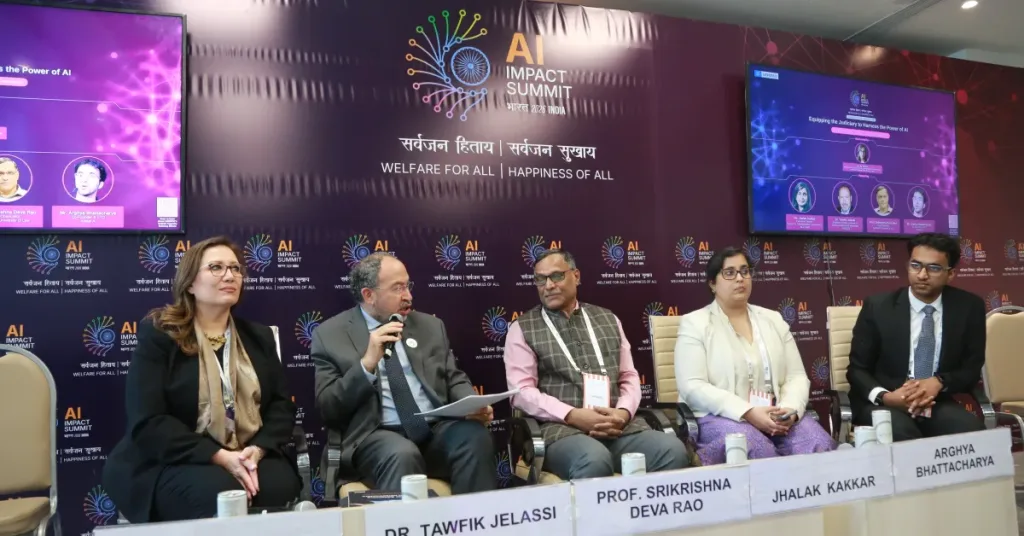
Aiethics: Evolution of International AI Governance Standards
For years, the international community has laid the groundwork for this 2026 meeting through various intergovernmental agreements. To grasp the current regulatory landscape, we need to look back at the milestones that have influenced today’s discussions. The table below outlines key frameworks that have guided AI policy development over the last seven years.
| Framework | Adoption Date | Scope/Key Focus |
|---|---|---|
| OECD AI Principles | May 22, 2019 | First intergovernmental standards endorsed by 42 countries. |
| UNESCO Ethics of AI | November 25, 2021 | Comprehensive recommendations signed by 193 member states. |
| Bletchley Declaration | November 1–2, 2023 | Focused on AI safety signed by 28 nations. |
| EU AI Act | August 1, 2024 | First comprehensive legal framework by a major governing body. |
The UN General Assembly reinforced this direction on March 21, 2024, by passing its first resolution focused on safe, secure, and trustworthy AI systems. These historical precedents provide a technical and moral basis for the current summit. (Source: VentureBeat AI)
Without these prior commitments, creating a cohesive global strategy would feel more like a dream than a doable policy goal.
Aiethics: Impact on Future AI Policy and Implementation
The real takeaway here isn’t just the gathering of leaders; it’s the urgent call for a unified response to the quick rollout of frontier AI models. Looking ahead, the success of the 2026 summit will depend on integrating the European Union’s AI Act with wider international safety protocols.
The outcomes are likely to impact how companies approach developing their next generation of foundational models, especially concerning transparency and data sovereignty. (Source: OpenAI Blog)
Not everyone sees eye to eye on the best path forward — some industry experts worry that stringent global regulations could hinder competitive innovation in emerging markets. However, many policymakers believe the absence of safeguards poses a bigger threat to global stability than any temporary economic friction.
In the coming months, we’ll likely see a flurry of bilateral agreements as countries try to codify the ideas discussed during this week’s meeting.
The global community now faces the challenge of turning these high-level discussions into national laws. Whether this will result in a binding global treaty or just a set of voluntary guidelines is the big question for the rest of 2026.
FAQs
What was the primary focus of the May 2026 AI Ethics summit?
The summit aimed to create a cohesive international approach to AI regulation, working to align various regional frameworks into a unified global strategy for safety and ethics.
How does the UN’s 2024 resolution impact current AI policy?
The UN General Assembly’s resolution from March 21, 2024, established a baseline for “safe, secure, and trustworthy” AI, serving as a foundational reference for all subsequent international discussions.
Are the agreements from this summit legally binding?
At this point, the outcomes and specific agreements are still unconfirmed. The summit aims to facilitate diplomatic consensus, but making these treaties legally binding remains a complex, ongoing process.
When did the Global AI Ethics Summit take place?
The Global AI Ethics Summit was held on May 23, 2026, bringing international leaders together to set unified safety standards for generative technology.
What was the primary objective of the Global AI Ethics Summit?
The main goal of the Global AI Ethics Summit was to harmonize international regulations and ensure that the development of artificial intelligence remains safe and ethically sound across all participating nations.




