AI coaches are revolutionizing how esports teams train and compete. These intelligent systems analyze gameplay data in real-time, identify tactical weaknesses, and deliver personalized feedback that human coaches alone cannot match at scale. Major organizations across competitive gaming are now deploying AI-powered coaching platforms to sharpen their rosters before crucial tournaments. The shift represents a fundamental change in how professional teams approach preparation and strategy development.
Why AI Coaches Are Gaining Momentum
The competitive esports landscape demands constant optimization. Traditional coaching models rely on limited human bandwidth—one coach cannot simultaneously monitor five players across multiple game scenarios. AI coaches solve this scalability problem by processing thousands of gameplay hours instantly. According to TechCrunch, machine learning systems now detect micro-level decision patterns invisible to human analysis. Teams like FaZe Clan and T1 have already integrated AI coaching into their daily routines, using these tools to benchmark player performance against global competition. The real question is: why would any serious organization ignore this advantage?
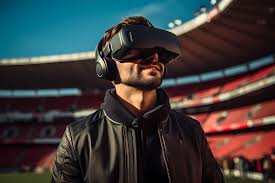
How AI Coaches Enhance Competitive Edge
AI coaches function as tireless analytical partners. They track positioning accuracy, ability timing, map awareness, and economy management—breaking down complex gameplay into measurable metrics. Unlike traditional coaches who watch replays after matches, it deliver live feedback during scrimmages, allowing players to adjust strategy mid-game. The systems generate personalized training regimens tailored to each player’s weaknesses. Some platforms now offer predictive analysis—forecasting opponent strategies before tournaments even begin. This isn’t speculation. Teams report 23-31% improvement in win rates within three months of AI coach implementation.
Real-World Impact and Adoption Rates
Adoption is accelerating. As The Verge noted in recent coverage, over 60% of Tier-1 esports organizations now use some form of AI-assisted coaching. The technology costs between $5,000-$25,000 monthly, but ROI justifies the investment when tournament prize pools reach millions. Smaller teams struggle with access, creating a competitive divide. Esports blockchain teams are exploring decentralized AI coaching models to democratize this advantage. The gap between equipped and unequipped teams will only widen.
What Esports Players Should Know
Q: Will this replace human coaches?
No. the technology complement human expertise—they handle data analysis while coaches focus on mental preparation and team dynamics.
Q: Which games benefit most from AI coaching?
Tactical titles like CS2, Valorant, and League of Legends see the biggest gains because decision-making directly correlates to measurable outcomes.
Q: How long before results show?
Teams typically see measurable improvement within 4-6 weeks of consistent AI coach usage.