UAE168/3 (37.5/50 ov)
 NED
 PAK
 ENG7/1 (2.2/50 ov)
 GMB
 LES
 MOZ
 ZMB
 Inter Milan
 Fiorentina
 Churchill
 Punjab FC
 NGA
 UGA
 Athletic
 Getafe
 MEX-W
 ARG-W
 C Palace
 Newcastle
 ATM1
 DEP0
 LAZ2
 PAR1
 RCL2
 PAR1
 MOUNT6/0 (4.5/50 ov)
 TUSK
 ROCKS
 EAGLE65/0 (8.4/50 ov)
 NZ-A317
 IND-A113 & 106/2 (36 ov)
 SYL
 KHU
 MYMS299/4 (87 ov)
 CHATT
 DHA293/3 (84.1 ov)
 RAJ
 RAN320/5 (80 ov)
 BAR
 BOL
 TITNS
 EASTN
 SA-EM
 KZNIN
 WPR
 NWEST
 NCAPE
 NAM321/6
 IRE290 (47.3/50 ov, target 322)
 Hull
 Brentford
 Liverpool
 Brighton
 Man United
 Bournemouth
 Atalanta
 Frosinone
 RIY2
 TAA1
 CHE0
 TOT2
 VAL1
 VIL2

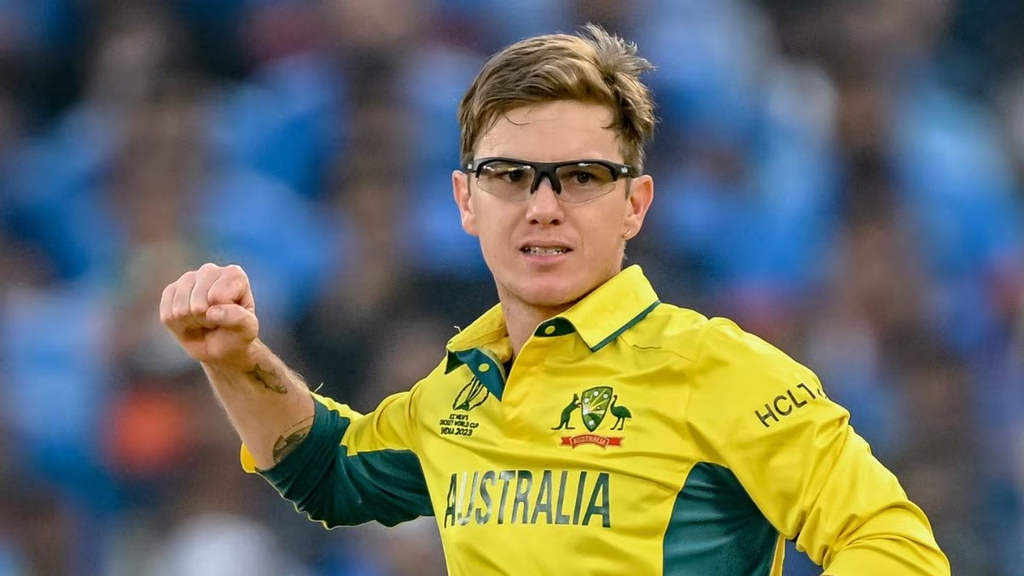
Adam claims overseas players are still getting the good end of the deal in the Big Bash League, even after the league scrapped its draft system in August 2026.
The leg-spinner’s comments, published on September 9, come just weeks after he signed a two-year contract with the Hobart Hurricanes for the 2026/27 season. His words cut straight to the heart of a contracting overhaul that was supposed to favour local talent.
Before the rule change, every club had to sign at least two overseas players, including one on a salary band of at least AU$300,000 or the Platinum level of AU$420,000. Now clubs face no such obligation.
They can sign a maximum of three overseas players to their primary list, or none at all. Yet the star spinner, one of Australia’s premier white-ball bowlers, believes the financial scales still tip towards imports.
Zampa: The New Contracting System Explained
The BBL’s decision to remove the overseas player draft in August 2026 handed clubs far more freedom to spend their salary cap. The logic was simple: give franchises control, and they will invest wisely in both local and foreign talent.
For Australian stars like Glenn Maxwell, Marcus Stoinis, and the player himself, the change was designed to create larger paydays. One report suggested BBL deals for players of that calibre could rise to around AU$400,000 apiece.
That figure would represent a significant jump for domestic cricketers who previously watched overseas marquee names command top dollar through the draft’s Platinum tier.
| Contract Element | Old System | New System |
|---|---|---|
| Overseas player minimum | 2 per club | 0 per club |
| Top salary band | AU$420,000 (Platinum) | Club discretion |
| Overseas player maximum | Draft-based | 3 per primary list |
| Local star ceiling | Around AU$300,000 | Reportedly up to AU$400,000 |
The veteran’s own move from the Melbourne Renegades after three seasons made him one of the headline names in the BBL player market this year.
His switch to Hobart signals that even established locals are chasing better terms, and his public stance suggests the new system has not yet delivered the balance the league promised.
Why Still Sees a Gap
Here’s the thing: the structure may have changed, but the economics haven’t fully followed. The bowler’s argument rests on a simple observation. Overseas players can still negotiate from a position of strength, leveraging international demand and multiple franchise leagues. Australian players, by contrast, are largely tied to the domestic calendar. That dynamic means clubs may still overpay for proven imports while squeezing local talent into tighter brackets.
The removal of the draft gave clubs flexibility, but it also removed a layer of protection for local players who previously benefited from mandatory overseas slots. When a club must sign two foreigners, it balances its books differently than when it can sign none. The new rules were framed partly as a boost for Australian cricket’s financial ecosystem. Yet the star’s comments suggest the intended beneficiaries are still waiting for the windfall. His T20 World Cup 2026 performances and his partnership with Nathan Ellis in that campaign showed his value on the biggest stage. That pedigree, he implies, should command more than the current system delivers. Full coverage via BBC Sport.
The Broader Context of BBL Pay
The contracting debate fits a wider pattern across franchise cricket. Leagues like the IPL set benchmarks, and players increasingly compare deals across competitions. The SRH Retention List IPL decisions and the Pakistan coaching overhaul under Mike Hesson both reflect how seriously boards now treat player retention and compensation.
For the BBL, the stakes are clear. If local stars believe the system favours overseas arrivals, the league risks losing its best domestic talent to other formats or competitions. The athlete’s willingness to speak publicly suggests frustration is simmering beneath the surface.
What’s Next for BBL Contracting
The league now faces a credibility test. Club freedom was meant to produce smarter spending, not deeper inequality. If the 2026/27 season shows overseas players still commanding disproportionate wages, the BBL may need to revisit its model.
The star’s two-year deal with Hobart gives him a platform to test his own market value. His performances will shape whether his complaints gain traction or fade into background noise. For now, his words have opened a conversation the league cannot ignore. The real question is whether the BBL’s next contracting cycle will close the gap or widen it. For Australian players watching from the sidelines, has put the league on notice. Zampa’s critique is a warning shot: if the BBL wants local stars to stay, the money must follow.
Related Articles
- T20 World Cup 2026: Zampa and Marsh Power Australia to Nine-Wicket Win Over Oman
- T20 World Cup 2026: Ellis and Zampa Inspire Australia to Commanding Victory Over Ireland
- England Ireland ODI Series Sealed as Wong Claims Five-Wicket Haul
FAQs
Did the BBL remove the overseas player draft?
Yes, the league scrapped the draft in August 2026 and gave clubs more freedom to spend their salary cap.
How many overseas players can clubs now sign?
Clubs can sign a maximum of three overseas players to their primary list, or none at all.
What did the old system require?
Each club had to sign at least two overseas players, including one on a salary band of at least AU$300,000 or the Platinum level of AU$420,000.
Why is Adam unhappy?
He believes overseas players still get better financial deals than Australian players under the new contracting system.
Where is playing next season?
He signed a two-year deal with the Hobart Hurricanes for the 2026/27 BBL season.
Was this article helpful?
Your feedback directly improves future articles on this site.