Intel has finally moved from PC GPUs to portable expectations by putting the Intel Arc G3 Extreme through handheld testing, with performance work published on Monday, August 10, 2026. Here’s what you need to know: players want proof in benchmarks, manufacturers want developer momentum, and buyers in India need clarity before they commit to new handheld silicon.
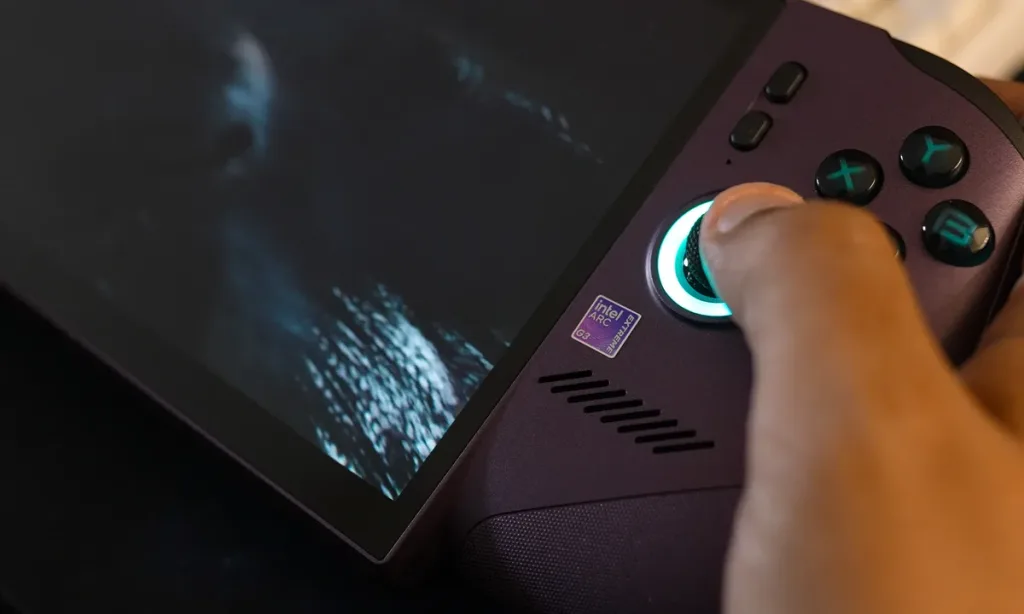
What did Intel test with Arc G3 Extreme, and why does it matter?
Intel officially entered the handheld gaming market with the testing of the new Intel Arc G3 Extreme processor, as first discussed via Digital Trends’ hardware-performance coverage: Digital Trends. The key question is simple—can Intel’s graphics experience translate into handheld constraints like power draw, thermal limits, and optimized frame delivery?
Worth noting: handheld buyers don’t just care about raw GPU capability; they care about how consistently that capability holds during real gameplay loops. If Intel’s Arc results look stable under benchmark suites, it signals the company isn’t treating handhelds as an experiment—it’s targeting a real segment where performance-per-watt is the product.
That leads directly to the next issue: what exactly was published on August 10, 2026, and what did the tests try to answer?
What performance analysis was published on August 10, 2026?
Benchmark tests and performance analysis for the Intel Arc G3 Extreme handheld were published on Monday, August 10, 2026, giving readers a structured look at how the chip behaves rather than relying on claims. According to Digital Trends, the coverage focused on the platform-level results you’d expect from a “now we measure it” moment—something fans usually only get after the first serious testing run.
Here’s a practical example of why that timing matters: if you’re shopping in the Indian market, you want to time your purchase around confirmed performance figures, not initial hype. The date also matters because benchmark pipelines tend to evolve quickly—new drivers and firmware can change outcomes, so readers need the testing window clearly stated.
Bridge to context: if Intel is “finally here,” what does this mean for the portable GPU ecosystem that’s already crowded?
Why Intel’s handheld arrival is a big deal for portable gaming
Intel’s move changes how we view competition in handheld gaming, because portability stresses the entire stack—CPU efficiency, graphics scheduling, and power management all at once. For players, the upside is straightforward: more competition often forces better value, more driver tuning, and faster iteration cycles.
That said, handheld ecosystems aren’t only about chips. Worth keeping in mind: software support and optimization determine what you actually feel in games—how smoothly titles run, how quickly settings scale, and how well visuals hold up during longer sessions.
For a broader view of why hardware performance coverage shapes consumer expectations, see how major outlets analyze new compute platforms—like The Verge’s reporting on device performance methodology and why it affects real-world buying decisions.
Bridge to action: now that testing exists, what should buyers and developers do next?
What should buyers and developers do after these Arc G3 Extreme tests?
The immediate takeaway: treat this testing coverage as your baseline, then track whether Intel and OEM partners follow up with driver updates that improve consistency. If benchmarks were published today and you’re planning a handheld purchase soon in India, we should expect the “first wave” of units to be judged by their measured stability and the maturity of software tuning around launch.
Developers should also watch for tooling signals—whether Intel’s handheld path is accompanied by clear guidance for game performance targets, graphics settings, and optimization hooks. That’s how you get better day-one experiences rather than waiting months for patches.
Here’s the thing: hardware momentum is only useful if software catches up quickly, so the next phase is all about iteration—driver refinement, game compatibility, and sustained performance under load.
Bottom line
Intel’s handheld entry isn’t just a “PC GPU in a new form factor” story—it’s a measurable effort, with Arc G3 Extreme testing and benchmark coverage published on August 10, 2026. The smart move now is to watch how quickly performance remains consistent as drivers and game profiles mature.
FAQs
Is Intel Arc G3 Extreme tested yet, or is it still only a concept?
It has been tested: benchmark performance analysis for the Intel Arc G3 Extreme handheld was published on Monday, August 10, 2026, and the coverage of that testing is attributed to Digital Trends’ reporting (Digital Trends).
What does “finally arrived” mean for extreme handheld gaming expectations?
It means Intel moved from “possible” to “measured,” giving the community the kind of benchmark-focused evidence that helps shoppers decide based on actual performance behavior rather than marketing promises.
Why should players care about benchmark timing (August 10, 2026)?
Because benchmarks reflect a specific state of drivers and firmware. If you buy after a new test window, you’re more likely to get software tuning aligned with that baseline rather than an older configuration.
What should we watch next after the first round of testing?
Watch for performance consistency improvements through updates, and for more titles to receive settings guidance that makes the handheld experience feel stable—not just fast in one-off runs.
Was this article helpful?
Your feedback directly improves future articles on this site.