MEX-W
 ARG-W
 ATL1
 CHI0
 DC0
 CIN0
 ORL0
 NYC0
 PHI0
 NE0
 Santos0
 Bahia1
 UAE
 NED
 PAK
 ENG
 IND-W
 ZIM-W
 GMB
 LES
 MOZ
 ZMB
 Inter Milan
 Fiorentina
 Churchill
 Punjab FC
 NGA
 UGA
 ATM1
 DEP0
 LAZ2
 PAR1
 RCL2
 PAR1
 RIY2
 TAA1
 NZ-A218/6 (66.4 ov)
 IND-A113
 SYL
 KHU
 MYMS299/4 (87 ov)
 CHATT
 DHA293/3 (84.1 ov)
 RAJ
 RAN320/5 (80 ov)
 BAR
 DEN
 PNG
 NAM321/6
 IRE290 (47.3/50 ov, target 322)
 NZ180/5
 IND181/6 (19.5/20 ov, target 181)
 WEL0
 MBV0
 Athletic
 Getafe
 C Palace
 Newcastle
 Hull
 Brentford
 Liverpool
 Brighton
 Man United
 Bournemouth
 Atalanta
 Frosinone
 CHE0
 TOT2
 VAL1
 VIL2

The Matrix really changed the game for high-concept filmmaking when it hit theaters on March 31, 1999. It shifted how we view narrative depth in action films.
Directed by the Wachowskis and featuring Keanu Reeves as the unforgettable Neo, the movie combined thought-provoking philosophical ideas with groundbreaking visual choreography. It’s now a global entertainment staple, easily accessible on streaming platforms like HBO Max.
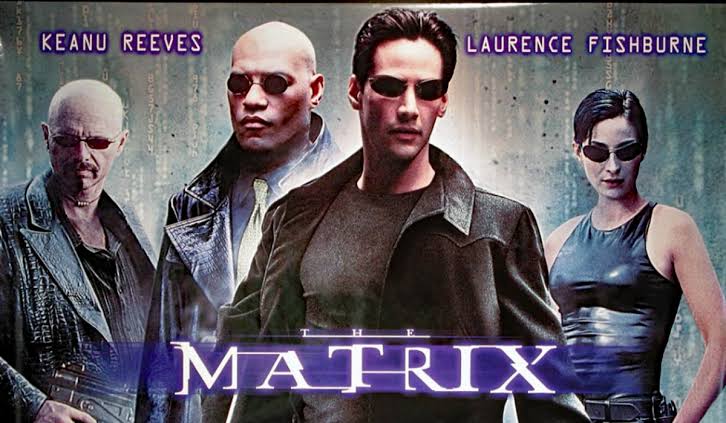
Philosophical Foundations of a Genre-Defining Masterpiece
The Matrix wasn’t just about action and cool outfits; it served as a vehicle for complex existential ideas. By challenging the nature of reality and consciousness, the film encouraged mainstream audiences to engage with concepts typically found in philosophy classes.
This intellectual depth helped the film snag four Academy Awards, including Best Film Editing and Best Sound. While some argue that the heavy exposition could hinder a blockbuster, we think it’s this very narrative weight that set the film apart from its action-heavy counterparts.
| Achievement | Metric |
|---|---|
| Global Box Office | Over $463 Million |
| Academy Award Wins | 4 |
| Release Date | March 31, 1999 |
Warner Bros. Pictures clearly aimed to blend these profound ideas with technical innovation. You can see the lasting impact of this approach in modern action cinema analysis, where filmmakers continue to explore the film’s unique visual style. Unlike many movies from its time, it didn’t just lean on star power; it presented a cohesive vision that pushed viewers to question their own digital realities. The big question remains: would we even have modern sci-fi in its present form without this 1999 classic?
Legacy, Influence, and the Evolution of the Franchise
The effect of this 1999 release goes well beyond its initial success. By introducing techniques like “bullet time,” the film set a new benchmark for how action scenes are planned and executed.
It showed that audiences craved stories that required active engagement instead of passive viewing. This industry shift is why we still see traces of the film’s influence in today’s blockbuster franchises.
However, the franchise’s path hasn’t been straightforward. While the original trilogy solidified its reputation, the 2021 release of The Matrix Resurrections unconfirmed brought attention to the challenges of revisiting such a unique vision.
Some critics say the sequel lacked the raw innovation of the original. But we believe the first film was a lightning-in-a-bottle moment, perfectly aligned with cultural anxieties and technological advancements that simply can’t be replicated by merely turning the cameras back on.
The future of the franchise remains a bit unclear, but its place in cinematic history is secure. The film continues to serve as a guiding blueprint for anyone looking to merge deep intellectual themes with massive, globally appealing entertainment.
FAQs
Why is The Matrix considered so influential?
The film successfully combined deep philosophical themes with blockbuster action, setting a new bar for visual effects like “bullet time” that transformed filmmaking.
Did The Matrix win any major awards?
Yes, the film received four Academy Award nominations and won four Oscars, including Best Film Editing and Best Sound.
Where can I watch The Matrix today?
You can find the film on various streaming platforms, including HBO Max, allowing global audiences to revisit its classic story.