COL0
 VAN0
 RSL3
 STL0
 POR1
 CLT1
 SD0
 SEA0
 UAE
 NED
 PAK
 ENG
 IND-W
 ZIM-W
 GMB
 LES
 MOZ
 ZMB
 Inter Milan
 Fiorentina
 Churchill
 Punjab FC
 NGA
 UGA
 MEX-W23 (9.3/20 ov, target 189)
 ARG-W188/5
 ATM1
 DEP0
 LAZ2
 PAR1
 RCL2
 PAR1
 NZ-A317
 IND-A113 & 33/2 (12.4 ov)
 SYL
 KHU
 MYMS299/4 (87 ov)
 CHATT
 DHA293/3 (84.1 ov)
 RAJ
 RAN320/5 (80 ov)
 BAR
 DEN
 PNG
 NAM321/6
 IRE290 (47.3/50 ov, target 322)
 WEL0
 CCM0
 Athletic
 Getafe
 C Palace
 Newcastle
 Hull
 Brentford
 Liverpool
 Brighton
 Man United
 Bournemouth
 Atalanta
 Frosinone
 RIY2
 TAA1
 CHE0
 TOT2
 VAL1
 VIL2

ISRO’s potential entry into quantum computing has definitely caught the eye of the global scientific community. Although the Indian Space Research Organisation, based in Bengaluru, hasn’t shared any official specs or a commercial plan for a quantum processor, the buzz around India’s technological capabilities is growing stronger.
It’s important to note that any specific details regarding quantum computing specs, processor specifics, qubit counts, or launch dates related to ISRO‘s development aren’t confirmed by official government sources yet. As of now, there are no official details on pricing, RAM, storage, or display specs for an ISRO-branded quantum system.
The larger vision for this initiative comes from the National Quantum Mission, which received approval from the Union Cabinet on April 19, 2023. This mission has an impressive budget of ₹6,003.65 crore over six years and aims to support India’s research and development efforts. The goal? To create quantum computers with 50–1,000 physical qubits within an eight-year timeframe.
While ISRO operates primarily under the Department of Space, the integration of these quantum systems into deep-space communication and navigational autonomy remains a hot topic for industry analysts.
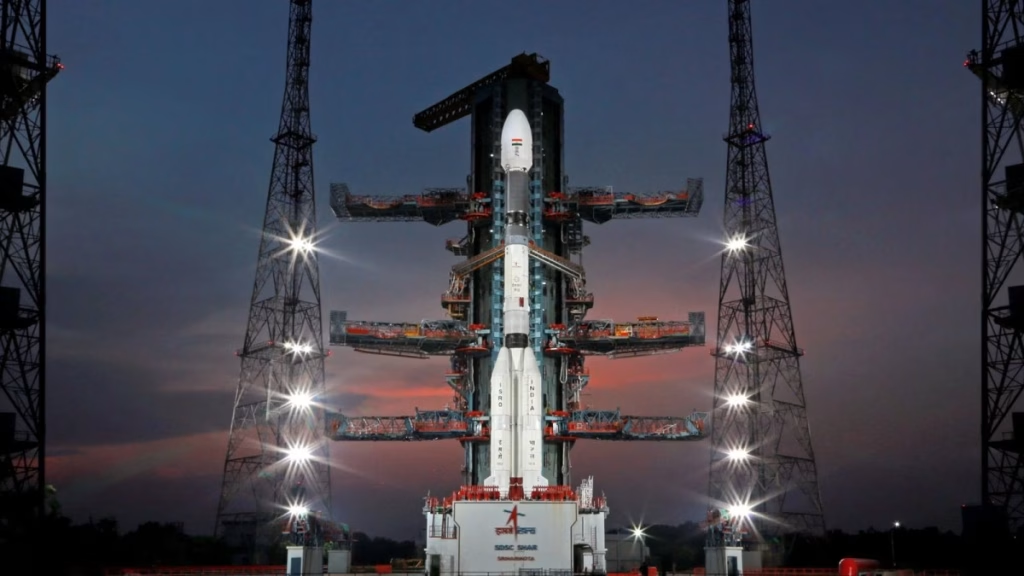
ISRO Quantum: Technical Ambitions and National Quantum Infrastructure
The heart of the current discussion lies in the connection between India’s space program and the developing quantum ecosystem. If ISRO decides to incorporate quantum-resistant cryptography or quantum-enhanced sensing into its satellite constellations, it could lead to significant advancements in secure data transmission, as reported by The Verge.
But let’s not overlook the hardware challenges. Creating a stable quantum environment demands extreme thermal regulation and error correction, which means collaboration across the Department of Space and various academic institutions is essential.
The table below shows India’s quantum trajectory compared to standard computing benchmarks.
| Metric | National Quantum Mission Target | Current Status |
|---|---|---|
| Qubit Capacity | 50–1,000 Physical Qubits | Research & Development Phase |
| Investment | ₹6,003.65 Crore | Active Allocation |
| Timeline | 8 Years (from 2023) | Ongoing (Year 3) |
Not everyone thinks ISRO should dive into quantum hardware development. Some believe the agency should concentrate on its core launch vehicle capabilities. However, the intersection of space tech and quantum computing is a global trend that India can’t afford to overlook if it wants to stay competitive in the 2030s, as noted by TechCrunch.
This seems like a natural extension of the capabilities that have been pivotal to the nation’s technological advancement since 1969.
Assessing the Future of Indian Quantum Computing
The future really depends on whether the government chooses to prioritize localized hardware production or software-defined quantum algorithms. As the National Quantum Mission progresses, we expect to see more specifics about how various agencies like ISRO will contribute.
At this point, any claims regarding product launches or retail-ready quantum hardware should be approached cautiously since they haven’t been verified by official sources.
Still, the momentum is clear. The scientific community is aiming for a future where quantum-enabled navigation and secure satellite links become standard. In the coming months, we’ll likely get clearer insights on how these research initiatives will unfold and if they’ll lead to a dedicated quantum-computing framework for the national space program.
FAQs
What is the primary goal of India’s National Quantum Mission?
The mission aims to develop quantum computers with 50–1,000 physical qubits within eight years of its 2023 launch, establishing a strong domestic quantum ecosystem.
Has ISRO officially confirmed a quantum computing product?
As of May 29, 2026, ISRO hasn’t made any official announcements regarding a specific quantum computing product, including specs or launch dates.
How is the quantum mission funded?
The Union Cabinet has allocated a total budget of ₹6,003.65 crore over a six-year period to support the research and development goals of the National Quantum Mission.
Does the Indian Space Research Organisation plan to integrate quantum computing into satellite communications?
Yes, ISRO aims to use quantum key distribution and quantum-resistant encryption to secure data transmissions from satellites as part of the National Quantum Mission.
How does the National Quantum Mission support the research goals of the Indian Space Research Organisation?
The National Quantum Mission gives ISRO the necessary funding and infrastructure to develop high-performance quantum processors that can optimize complex orbital mechanics and deep-space navigation.