RIY1
 TAA0
 LAZ0
 PAR0
 RCL0
 PAR1
 MEX-W
 ARG-W
 ATM0
 DEP0
 ADO0
 HEE1
 Internacional0
 Botafogo0
 Mirassol1
 São Paulo0
 UAE
 NED
 PAK
 ENG
 IND-W
 ZIM-W
 GMB
 LES
 MOZ
 ZMB
 Inter Milan
 Fiorentina
 Churchill
 Punjab FC
 NGA
 UGA
 CHE0
 TOT2
 VAL1
 VIL2
 DOR1
 SGE0
 NAP3
 ROMA3
 NZ-A135/3 (41 ov)
 IND-A113
 SYL
 KHU
 MYMS299/4 (87 ov)
 CHATT
 DHA293/3 (84.1 ov)
 RAJ
 RAN320/5 (80 ov)
 BAR
 DEN
 PNG
 NAM321/6
 IRE290 (47.3/50 ov, target 322)
 NZ180/5
 IND181/6 (19.5/20 ov, target 181)
 Vitória0
 Athletico-PR0
 VEN0
 JPN2
 ZAM0
 FRA1
 Athletic
 Getafe
 C Palace
 Newcastle
 Hull
 Brentford
 Liverpool
 Brighton
 Man United
 Bournemouth
 Atalanta
 Frosinone
 KHO0
 ETT3
 RAC2
 ESP1

ISRO unveils — The Indian Space Research Organisation, based in Bengaluru, officially introduced its latest technological advancement on May 27, 2026. This marks a significant leap forward for India’s sovereign space capabilities.
While the specific technical details of this announcement are still pending confirmation, it’s clear this reveal highlights a period of strong momentum for ISRO, which has successfully completed over 60 missions with its reliable PSLV workhorse as of 2024.
This development comes on the heels of several major successes for the Department of Space, which operates under the Prime Minister’s Office.
After the historic Chandrayaan-3 lunar landing on August 23, 2023—cementing India’s place as the fourth country to touch the lunar surface—and the successful launch of the Aditya-L1 solar observatory on September 2, 2023, the agency is now concentrating on long-term human spaceflight and deep-space infrastructure.
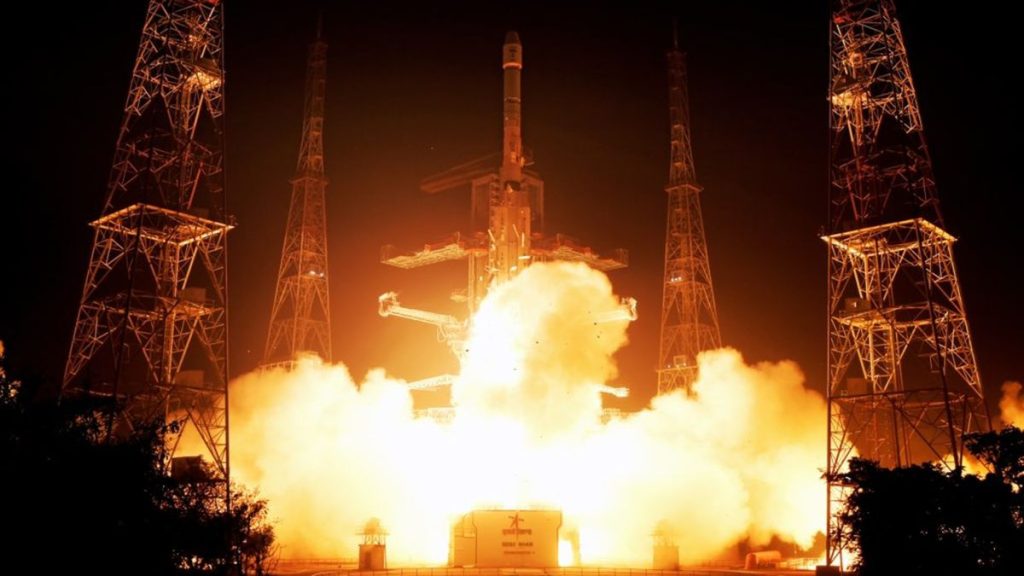
ISRO Unveils: Strategic Objectives and the Gaganyaan Context
This unveiling fits within the ambitious Gaganyaan program, which received a cabinet-approved budget of about ₹9,023 crore in 2018. Industry experts point out that the timing of this announcement correlates with the growing involvement of the private sector in India’s space ecosystem, reflecting a global shift toward commercialized orbital logistics.
This latest initiative aims to tackle existing bottlenecks in satellite deployment efficiency and deep-space telemetry.
ISRO now faces the challenge of integrating this new hardware with current ground stations to meet the high-frequency communication needs of upcoming crewed missions.
| Mission Milestone | Date | Significance |
|---|---|---|
| Chandrayaan-3 Landing | August 23, 2023 | 4th nation to land on the Moon |
| Aditya-L1 Launch | September 2, 2023 | India’s 1st solar observatory |
| PSLV Milestone | 2024 | Over 60 successful missions |
ISRO Unveils: Future Roadmap and Industry Impact
As we look ahead, ISRO faces pressure to maintain its cost-effective launch track record while scaling up for increased payload demands. Not everyone agrees that focusing on high-complexity hardware is the way to go. Some analysts urge a shift toward mass-producing smaller launch vehicles, as highlighted in recent coverage by TechCrunch.
However, the data indicates that keeping a diverse fleet—from the reliable PSLV to heavy-lift options—is crucial for India’s strategic autonomy in orbit.
We anticipate that the coming months will shed light on the specific operational timelines for this new technology. As ISRO gears up for its next major launch windows, integrating these systems will likely be key to the success of India’s future deep-space missions, according to recent reports by The Verge.
FAQs
What is the primary focus of ISRO’s current mission cycle?
ISRO is currently balancing its long-term Gaganyaan human spaceflight program with launching advanced observatories like Aditya-L1 and making ongoing upgrades to its satellite launch capabilities.
How does this unveiling impact private sector involvement?
This development clarifies the roadmap for private startups and vendors, allowing them to align their manufacturing efforts with national space objectives. This could make it easier for domestic aerospace firms to enter the market.
Why is the Gaganyaan program significant for the agency?
The Gaganyaan program marks the first time ISRO is developing life-support and recovery systems needed for human spaceflight, indicating a significant transition from robotic exploration to crewed missions.
How will the new technology from ISRO impact the Gaganyaan program?
The new technology from ISRO will greatly improve the safety and mission duration of the Gaganyaan program by enhancing life-support systems and orbital maneuvering capabilities for Indian astronauts.
When did ISRO officially announce these space technology advancements?
ISRO officially unveiled these latest advancements on May 27, 2026, marking a pivotal moment for India’s future in human spaceflight and global launch capabilities.