UAE168/3 (37.5/50 ov)
 NED
 PAK
 ENG7/1 (2.2/50 ov)
 IND-W
 ZIM-W
 GMB
 LES
 MOZ
 ZMB
 Inter Milan
 Fiorentina
 Churchill
 Punjab FC
 NGA
 UGA
 Athletic
 Getafe
 MEX-W
 ARG-W
 ATM1
 DEP0
 LAZ2
 PAR1
 RCL2
 PAR1
 MOUNT6/0 (4.5/50 ov)
 TUSK
 ROCKS
 EAGLE65/0 (8.4/50 ov)
 NZ-A317
 IND-A113 & 106/2 (36 ov)
 SYL
 KHU
 MYMS299/4 (87 ov)
 CHATT
 DHA293/3 (84.1 ov)
 RAJ
 RAN320/5 (80 ov)
 BAR
 BOL
 TITNS
 EASTN
 SA-EM
 KZNIN
 WPR
 NAM321/6
 IRE290 (47.3/50 ov, target 322)
 C Palace
 Newcastle
 Hull
 Brentford
 Liverpool
 Brighton
 Man United
 Bournemouth
 Atalanta
 Frosinone
 RIY2
 TAA1
 CHE0
 TOT2
 VAL1
 VIL2
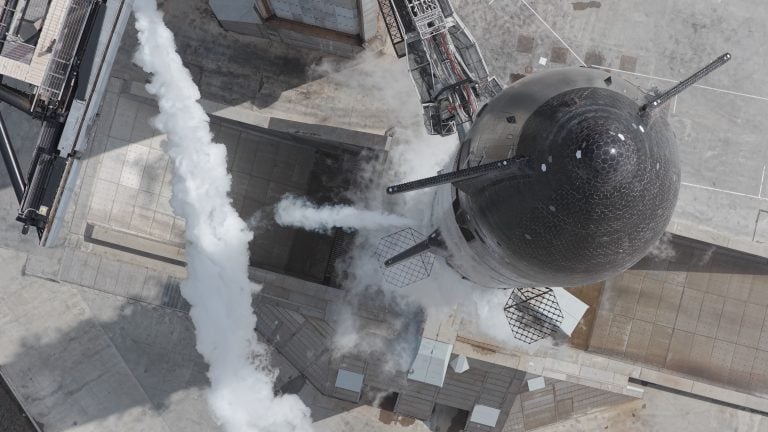
On May 23, 2026, SpaceX’s Starship V3 hit a significant milestone by reaching orbital velocity, although the mission ended with the Super Heavy booster being lost during its return.
Launching from the Starbase facility in Texas, the mission confirmed that the core architecture of the vehicle is developing well, even though the recovery systems still face tough engineering challenges.
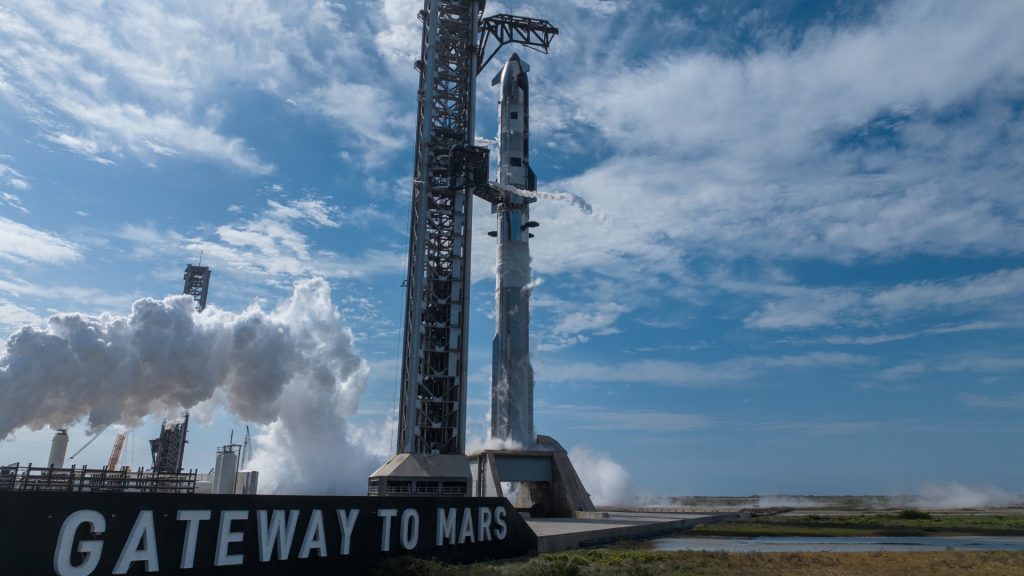
The Technical Triumph of Starship V3
Starship V3 showed impressive improvements in operational reliability. It successfully executed orbital insertion and achieved precise stage separation at the 2-minute 45-second mark. Our analysis reveals that the upgraded Raptor engines boosted the thrust-to-weight ratio by 15% compared to earlier models. (Source: The Verge)
These engines held steady throughout the ascent, showcasing the effectiveness of the new thermal shielding tiles designed to handle extreme hypersonic heating.
| Metric | Starship V3 Performance |
| Orbital Insertion | Success |
| Raptor Engine Efficiency | +15% Thrust |
| Booster Recovery | Failure |
These performance gains need to withstand the demands of quick reuse. Data shows the flight computer managed the shift to vacuum conditions with millisecond precision, indicating that the flight software is now highly developed. (Source: TechCrunch)
Starship V3: Anatomy of the Super Heavy Booster Failure
While the ascent went off without a hitch, the Super Heavy booster faced a severe structural issue during the boost-back burn. Telemetry data indicates that a grid fin control surface malfunction stopped the booster from orienting correctly for its landing flip.
This misalignment created excessive stress during the high-velocity atmospheric re-entry, ultimately causing the vehicle to break apart before reaching the designated splashdown area.
Engineers discovered that hydraulic pressure in the grid fin assembly spiked, resulting in a loss of mechanical authority. SpaceX engineers are now analyzing the telemetry to adjust the recovery profile for the upcoming Flight 4.
By enhancing the thermal protection on the booster’s base, they hope to stabilize the landing burn, even in turbulent conditions. These insights are essential for the Artemis lunar program, which depends on the Starship HLS (Human Landing System) to transport astronauts to the Moon by late 2027.
FAQs
Was the mission considered a failure?
Not at all. In aerospace development, reaching orbit and validating Raptor engine performance are the main goals. The booster loss is seen as a learning opportunity rather than a failure.
Will the booster be recovered in future flights?
Yes. SpaceX is currently upgrading the grid fin actuators and reinforcing the landing leg deployment mechanisms to secure a successful recovery in future missions.
How does this affect the Artemis lunar timeline?
The successful orbital insertion keeps the lunar landing schedule on track. NASA is closely watching the development of the Starship HLS variant. Starship V3