NGA
 UGA
 MEX-W
 ARG-W
 CRY0
 NEW1
 HUL1
 BRE0
 LIV2
 BHA0
 MAN0
 BOU2
 ATA3
 FRO3
 GEN1
 VEN0
 AUX
 MNS
 ANG
 LOR
 OLM
 HAC
 REN
 STR
 TOU
 TRY
 SUN
 LEE
 SCF
 MUN
 LEC
 JUV
 ATH4
 GET0
 INT2
 FIO1
 CHU2
 PFC3
 GMB112/9
 LES109 (19.5/20 ov, target 113)
 DEN
 PNG
 LIMWn
 NW-W
 NCWmn
 FsWm
 BOL137/9 (20 ov)
 TITNS137/8
 NWEST22/3 (3.1/20 ov, target 181)
 NCAPE180/3
 MIS
 VAG169/4 (20 ov)
 NZ-A317
 IND-A113 & 106/2 (36 ov)
 SYL280/2 (84 ov)
 KHU
 MYMS465/7d
 CHATT134/2 (40 ov)
 DHA521
 RAJ103/6 (26 ov)
 BRB
 MOW
 TOK
 SIKM
 NAGA
 JHK
 DELHI
 ODSA
 SVCS
 CGR
 AP
 BRODA
 J & K
 MOZ110/7 (19/20 ov, target 110)
 ZMB109/9
 IND-W328/6
 ZIM-W207 (48.5/50 ov, target 329)
 PAK243/9 (47.1/50 ov, target 242)
 ENG241
 UAE244/8
 NED245/7 (43.5/50 ov, target 245)
 MON0
 LILL1
 KER0
 MCFC0
 TSG0
 B040
 NEC2
 GRO2
 PSV1
 FEY1
 Motherwell0
 Hearts1
 Atlético1
 Deportivo0
 Lazio2
 Parma1
 Lens2
 Paris FC1

The departure of from Manchester United at the end of the 2025/26 season, announced in January, marks a turning point for tactical leadership. His shift from defensive enforcer to strategic influencer shows why clubs now value elite midfielders for future management roles within Manchester United football operations.
What Makes Casemiro’s Tactical Legacy Significant for Future Managerial Appointments?
The Brazilian’s career offers a roadmap for the modern manager. He mastered the pivot role and developed the ability to read defensive transitions while controlling the game’s pace. This “hybrid” approach—balancing defensive solidity with progressive possession—is becoming what clubs want in their next coach.
Here’s the thing: as Sir Jim Ratcliffe pushes for financial efficiency, hiring former midfielders as coaches offers a smart way to evolve tactically without breaking the bank.
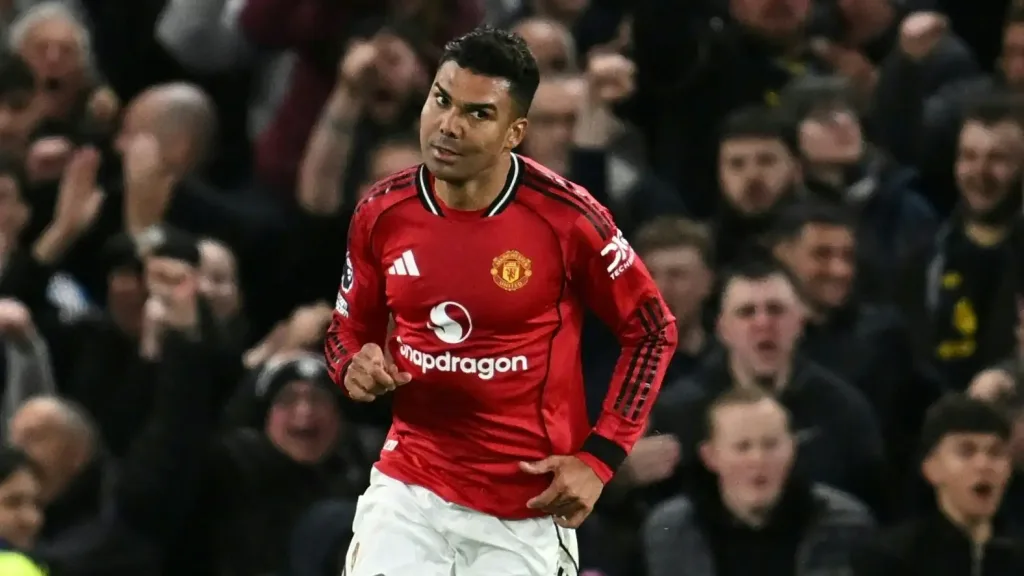
Manchester United’s interest in Brighton’s Carlos Baleba, valued between €75-80 million, shows they’re hunting for a successor with that same technical discipline. Sure, some say managerial success needs more than just field smarts, but the trend tells a different story—owners are backing those who truly understand how the game works structurally.
Why Do Midfielders Transition Better into Elite Tactical Roles?
Midfielders play in the busiest parts of the pitch. They constantly read space and track opponent movement. That constant processing builds the kind of anticipation elite coaches need.
Attackers and defenders often focus on isolated moments. Midfielders? Their development is built on seeing the whole picture. Former Real Madrid stars like him understand this better than most. They’re naturally positioned to lead from the sideline because they’ve mastered the game’s structural mechanics.
His influence still shows up on the pitch. That opening goal in a crucial 3-1 win—a performance that reportedly kept the Beautiful Game football dreams alive—proved his tactical maturity. When someone who’s won the Champions League endorses a specific style, boardrooms listen.
FAQs
Why is leaving Manchester United?
He announced his departure in January 2026, ending his time at Old Trafford. The exit fits into a bigger plan to cut the club’s wage bill, as directed by Sir Jim Ratcliffe.
What is the significance of the 25% pay increase clause?
The clause kicked in if the club qualified for the Champions League—a major financial incentive. It shows how much was riding on the team’s 2025/26 campaign.
Is Carlos Baleba his direct replacement?
Manchester United sees the 22-year-old as the “new ,” but his asking price is steep. The club’s trying to balance this move with keeping finances sustainable long-term.
What impact has had on football management trends?
His tactical awareness and leadership have shown clubs why they should consider former midfielders for coaching roles more seriously.
Why are former midfielders becoming more prominent in management?
They typically understand tactical nuances and player dynamics in ways that make them natural fits for the dugout.
How does Casemiro’s departure affect his current team?
Losing him creates a leadership gap and puts pressure on the midfield setup. The club’ll need to adjust tactically and likely bring in fresh talent.
What qualities make midfielders effective managers?
They’re usually strong communicators with sharp game intelligence and adaptability—all essential for running a team and making smart tactical calls.
Are there other notable midfielders transitioning into management?
Absolutely. Xavi Hernandez and Andrea Pirlo have both made the jump successfully, supporting the trend of midfielders moving into coaching roles. Staying on top of these developments helps you understand where the game’s headed.