SA329 (82.3 ov)
 AUS
AUS BAN
BAN WI
WI IND-W
IND-W ZIM-W
ZIM-W GOA
GOA SC Delhi
 Milan
Milan Bologna
 Parma
Parma Udinese
 Venezia
 Inter Milan
 Genoa
Genoa Juventus
 Monza
Monza Napoli
 ROMA4
ROMA4 CAG2
CAG2 TOR1
TOR1 COMO3
COMO3 SAS2
SAS2 LAZ6
LAZ6 AFG177
 ZIM140 (19.1/20 ov, target 178)
 AUCK
AUCK CANT
CANT CD
CD ND
ND SIKM184
 NAGA187 & 46/4 (34 ov)
 JHK131/4 (47 ov)
 DELHI515/5d
 ODSA194
 SVCS13/0 (5 ov)
 BRODA616
 J & K6/0 (4 ov)
 CHD685/5d
 HP49/0 (14 ov)
 CGR216/8 (95 ov)
 AP231
AP231 HYD193/2 (54 ov)
 PNJB431
 KNTKA297/7 (95 ov)
 TPURA194
 KER101/6 (35 ov)
 BENG350
 UAE
UAE OMA
OMA ENG
ENG SL
SL DEN
DEN QAT
QAT KENYA
KENYA KUW
KUW POA
POA SPR
SPR BRB
BRB VAG
VAG PAK110
 NAM316/7
 IRE253 (44.5/50 ov, target 317)
 NZ198/3
 IND199/4 (13.2/20 ov, target 199)
 NED371/5
 JAB113 (19.3/20 ov, target 133)
 KAY132/9
 Gamba Osaka
 Buriram
 Kashima
 Pohang Steelers
 ABH0
ABH0 ALF1
ALF1 Sevilla2
 Osasuna0
 PSG2
PSG2 Lyon0
Lyon0
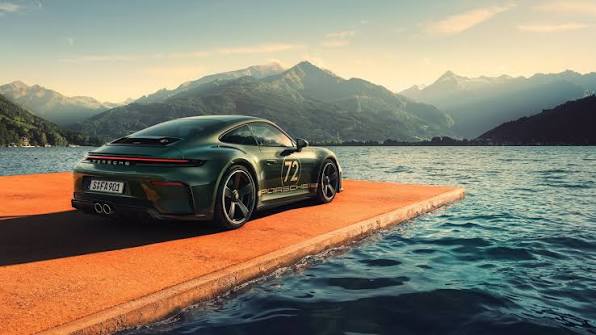
Porsche has built the 911 around the same rear-engine, flat-six formula since 1963, making it the longest-running performance car design philosophy in modern automotive history. The choices that shape today’s GT3, Turbo S, and Dakar variants trace back to engineering decisions made decades ago — and they remain deliberately stubborn.
Why the 911’s Tuning Choices Matter
Most performance cars reinvent themselves every generation. The 911 does the opposite. Every turbocharger map, every suspension geometry change, every aerodynamic add-on gets filtered through a single question: does it preserve what made the original 911 a 911? That constraint, more than any specific horsepower figure, defines how Porsche tunes the car.
The 10 Design Choices That Define 911 Performance
What This Means for Buyers and Enthusiasts
The 911’s tuning philosophy is conservative on paper and radical in execution. Porsche refuses trends other manufacturers chase — mid-engine layouts, forced induction across the range, full digital interfaces — because the brand believes consistency builds long-term value. A 2010 GT3 still drives like a 911.
A 2024 GT3 still drives like a 911. That continuity is the product. For buyers choosing between a 911 and a mid-engine rival, the question is not which car is faster on paper. It is which driving character matches what they want for the next decade.
Porsche has answered that question for them — repeatedly, and without apology.
The next chapter arrives when Porsche confirms whether the hybrid-assisted 992.2-generation Turbo will preserve the rear-engine layout or break from it entirely.
Related Articles
FAQs
Why does Porsche still use a rear-engine layout in the 911?
Porsche keeps the engine behind the rear axle to preserve the car’s distinctive handling character and brand identity, even though mid-engine layouts offer better corner-exit traction. What is the Weissach package on a 911? The Weissach package is Porsche’s factory weight-reduction programme for GT-badged 911s, featuring carbon fibre components, magnesium wheels, and stripped interior trim.
Does the 911 GT3 use a turbocharger? No. The GT3 and GT3 RS continue to use a naturally aspirated flat-six engine, in contrast to the turbocharged Carrera and Turbo models. How does Porsche decide between manual and automatic for the 911? Porsche offers both transmissions on most variants but reserves the manual option for driver-focused trims like the GT3 and GT3 Touring, based on enthusiast demand. Will the 911 ever switch to a mid-engine layout? There are no confirmed plans. Porsche has publicly committed to the rear-engine formula for the foreseeable future. Explore how [Porsche's GT division handles customer feedback and why the Turbo S hybrid system marks the brand’s biggest tuning shift in decades.]
Was this article helpful?
Your feedback directly improves future articles on this site.