NZ113/3 (14.4 ov)
 IND
 NAM321/6
 IRE208/5 (37.3/50 ov, target 322)
 RAC
 ESP
 KHO
 ETT
 NAP
 ROMA
 CHE
 TOT
 VAL
 VIL
 DOR
 SGE
 RIY
 TAA
 LAZ
 PAR
 MOZ19
 UGA23/0 (0.5/20 ov, target 20)
 Ipswich1
 Nottm Forest1
 Alavés1
 Málaga1
 Torino3
 Monza2
 KENYA
 QAT
 SWD-W
 EPR-W
 TTN-W
 WPR-W
 BOR135/3 (18/20 ov, target 137)
 WAR136/8
 NZ-A135/3 (41 ov)
 IND-A113
 DHA293/3 (84.1 ov)
 RAJ
 MYMS299/4 (87 ov)
 CHATT
 RAN320/5 (80 ov)
 BAR
 SYL
 KHU
 MEX-W
 ARG-W
 UAE
 NED
 PAK
 ENG
 IND-W
 ZIM-W
 GMB
 LES
 ZMB
 NGA
 AFG170/3 (34.3/50 ov, target 170)
 ZIM169
 Brest1
 Nice2
 Stuttgart2
 Gladbach3
 Al Ahli4
 Al Khaleej1
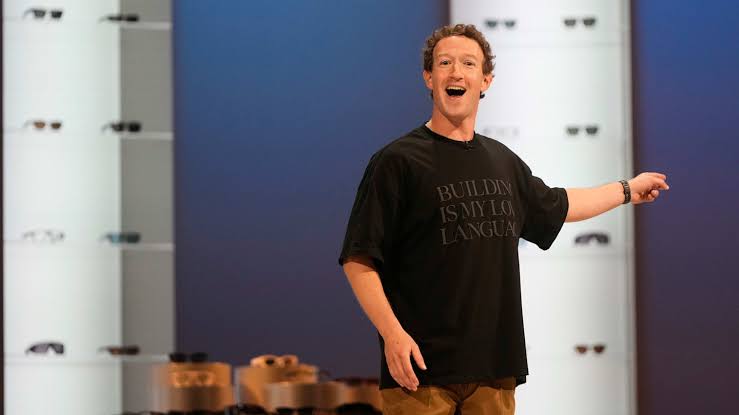
On Thursday, September 24, 2026, Mark Zuckerberg announced the personal superIntelligence initiative and accompanying keychain device. The centerpiece is expected to arrive as a dedicated wearable companion
Inside The Zuckerberg Muse Keychain Device
The physical unit reportedly houses an integrated custom low-power neural processor designed by Meta for continuous edge inference tasks. System memory reportedly consists of 8 GB of LPDDR5X RAM paired with 128 GB of UFS 4.0 internal storage to manage local model weights and interaction history efficiently.
| Component | Specification |
|---|---|
| Processor | Reportedly custom low-power neural processor |
| Memory | Reportedly 8 GB LPDDR5X RAM |
| Storage | Reportedly 128 GB UFS 4.0 |
| Battery | Reportedly up to 36 hours of mixed usage |
| Display | Reportedly micro-OLED status display |
Users reportedly interact via a micro-OLED status display that renders notifications alongside multimodal AI interaction cues without requiring smartphone tethering. Power management reportedly supports up to 36 hours of continuous mixed usage on a single battery charge, extending operational life beyond typical daily cycles.
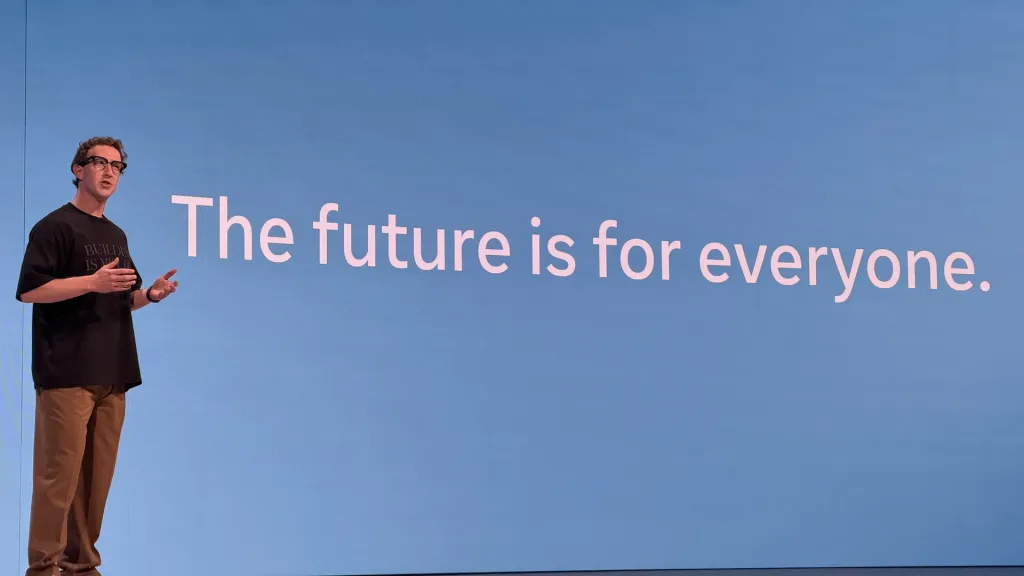
Here’s the thing: placing a neural core directly on a wearable form factor shifts the computational burden away from cloud dependency. This architecture reportedly prioritizes latency reduction and privacy preservation by keeping sensitive voice and sensor data onboard.
Meta’s Muse Strategy For Wearable AI Adoption
As we analyzed in our earlier report on the Meta Chief Muse initiative, this hardware represents a pivot toward always-on personal assistants. The strategy aims to embed Intelligence into everyday carry items rather than relying solely on screen-based interfaces. Security remains a critical consideration for devices handling continuous audio and visual streams.
Past investigations highlighted issues such as those discussed when examining how Meta Muse Already faced early zero-day exploitation risks during development phases. Engineers have likely hardened firmware against similar intrusion vectors given the expanded attack surface. Worth noting: competitors are racing to replicate this form factor. While rivals like Know NVIDIA Unveils advanced audio processing frameworks focus on server-side optimization, Meta is betting on localized execution. This divergence could dictate whether personal AI becomes a ubiquitous utility or a niche luxury product. For more detail, see OpenAI Blog.
FAQs
When does the Muse keychain ship?
The expected launch date is Friday, November 13, 2026. For more detail, see VentureBeat AI.
What is the total storage capacity?
The device reportedly provides 128 GB of UFS 4.0 internal storage for local data retention.
How long does the battery last?
Battery performance is reportedly rated for up to 36 hours of continuous mixed usage per charge.
Is the neural processor cloud-dependent?
The custom low-power neural processor is reportedly designed to enable offline inference for enhanced privacy and reduced latency.
Was this article helpful?
Your feedback directly improves future articles on this site.