BAN88/3 (40 ov)
 WI356
 AFG113/1 (35 ov)
 ZIM504
 FC Goa1
 BFC1
 SHL0
 CHA1
 HSV
 BMG
 VEN
 UDI
 TOU
 STR
 EVE
 COV
 SEV
 ALA
 NZ
 IND
 Inter Kashi
 SC Delhi
 Leeds
 Spurs
 AZ Alkmaar1
 Juventus2
 Leverkusen0
 Marseille1
 Benfica3
 Lech Poznan1
 Celta Vigo1
 Union SG2
 MOUNT198
 ROCKS188/5 (44.3/50 ov, target 199)
 TUSK220/2 (43.5/50 ov, target 245)
 RHINO244
 CHR151/6
 POA117/7 (17.3/20 ov, target 152)
 RWA-W
 USA-W
 ZIM-A236/5 (70.3 ov)
 IRE-A424
 WI-A
 LIONS
 MR-W
 AS-W
 BH-W
 HH-W
 EASTN
 DOLPH
 NAM-W
 DOL-W
 LIO-W
 EPR-W
 TTN-W
 MS-W159/7 (20 ov, target 161)
 SS-W160/5
 ST-W166 (19/20 ov, target 184)
 PS-W183/3
 KAY137/7 (20 ov, target 177)
 SPR176/6
 UGA-W74/6 (19.3/20 ov, target 74)
 WAR138/7 (20 ov)
 BOL138/5
 Málaga
 Racing
 Celtic3
 Besiktas2
 Hapoel Be'er0
 OFI Crete2

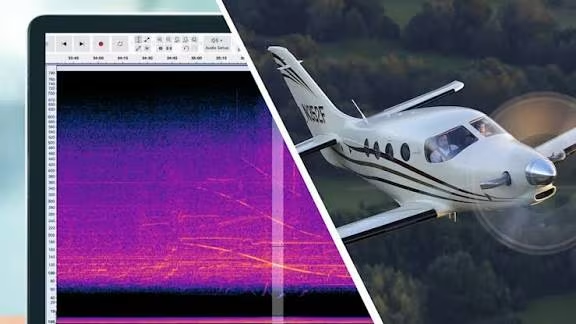
On Friday, November 6, 2026, technology news featured a YouTuber who found a way to locate almost anyone using airplane sounds. The method’s capabilities haven’t been independently verified. Reports say acoustic fingerprinting matches unique flight-path noise patterns with public databases. The technique is also said to bypass standard location services by cross-referencing recorded atmospheric data.
What Makes This Audio Tracking Method Unique?
Acoustic Isolation Techniques
The reported mechanism works differently from standard digital tracking systems. Rather than relying on mobile towers or satellite signals, it’s said to isolate the low-frequency rumble jet engines produce during takeoff and cruising.
The creator reportedly showed that these distinct sound signatures remain consistent across different aircraft models, even when filtered through background noise. The method is said to match these audio profiles to geographic locations without accessing private phone records. Previous research on Using large language model (LLM) Summarisation techniques shows that isolating relevant signals from raw data takes sophisticated algorithms. That capability raises questions about privacy in public spaces.
So how does the software process these complex sound waves?
How Does The Software Process These Complex Sound Waves?
Computational Requirements
Much about the technical specifications behind this audio-tracking method remains unclear. The report didn’t disclose official RAM specifications, leaving developers to guess at its memory requirements. It also gave no official storage specifications, making it harder to replicate the workflow on consumer hardware.
The report doesn’t verify the processor details or provide the tracking device’s battery capacity. Without those limits, users can’t tell whether their existing devices can run the analysis locally. The method is said to require significant processing power for continuous audio input. That lack of transparency raises questions about whether everyday users can access it. What might this mean for global privacy standards?
What Happens When A YouTuber Figured Out How to Bypass Location Services?
Regulatory Gaps
Regulators around the world are reportedly addressing what modern audio surveillance tools can do. No official launch date has been set for the airplane sound-tracking tool, so its availability remains uncertain. The confirmed price hasn’t been released either, leaving it unclear whether the technology will stay exclusive or become widely available.
The technology’s official announcement date also remains unspecified, potentially delaying policy responses from government bodies. Our coverage of the Casio New Anyone ecosystem discusses how emerging gadgets can outpace regulatory guidelines. Users should consider how seemingly harmless environmental sounds could reveal their daily movements. What can individuals do to protect themselves?
What Steps Should Individuals Take To Protect Themselves Moving Forward?
Digital Hygiene Practices
Protecting personal location data starts with proactive digital hygiene. The reported method uses ambient noise, but its capabilities haven’t been independently verified. Individuals should also check the permissions they’ve granted to smartphone apps.
It’s unclear whether privacy-focused apps can mask or randomize acoustic signatures. Until more information emerges, staying informed about new tracking methods can help people understand potential privacy risks. Knowing what these claims involve helps users make more informed choices about their digital footprint. Stay alert to microphone permissions, and avoid lingering near active runways if privacy is a top priority.
FAQs
What is acoustic fingerprinting?
Acoustic fingerprinting analyzes sound patterns to identify geographic locations.
Can regular smartphones run this tracking software?
Available information doesn’t confirm whether standard smartphones can run the tracking software.
Is this technology available for public purchase?
There’s no confirmed pricing, and officials haven’t announced a launch schedule.
How can individuals hide their location from audio trackers?
The method’s capabilities haven’t been independently verified, and no confirmed way to hide a location from audio trackers has been established.
| Tracking Method | Primary Data Source | Accuracy Level | Privacy Risk |
|---|---|---|---|
| GPS (Global Positioning System) Coordinates | Satellite Signals | High | Moderate |
| Cell Tower Triangulation | Network Proximity | Medium | Low |
| Audio Signature Mapping | Ambient Jet Noise | Unverified | Unverified |
| Wi-Fi (Wireless Fidelity) MAC (Media Access Control) Address Scanning | Wireless Router IDs | Medium | High |
Read Next
- Samsung Android XR Smart Glasses Pre-Orders Start November 12
- Claude Personal Finance Tool Can Analyze Your Spending
- iPhone Duo Durability Test Passes 260,000 Folds on Livestream
Was this article helpful?
Your feedback directly improves future articles on this site.