Mohun Bagan
 Chennaiyin
 PSG
PSG Lyon
Lyon Sevilla
 Osasuna
 NED
NED OMA
OMA NZ
NZ IND
IND NAM
NAM IRE
IRE PAK
PAK SL
SL SA
SA AUS
AUS BAR1
BAR1 RMA2
RMA2 UDI0
UDI0 MIL2
MIL2 RSO2
RSO2 LEV1
LEV1 LEC0
LEC0 JUV2
JUV2 BRB76/3 (9/15 ov)
 MOW
MOW NZ-A317
 IND-A113 & 488/8 (119 ov)
 SYL280/2 (84 ov)
 KHU
KHU MYMS465/7d
 CHATT134/2 (40 ov)
 DHA521
 RAJ103/6 (26 ov)
 RAN402
 BAR179/3 (56.1 ov)
 SIKM
SIKM NAGA82/5 (38 ov)
 JHK
JHK DELHI87/1 (26 ov)
 ODSA81/1 (27 ov)
 SVCS
SVCS BRODA57/1 (21 ov)
 J & K
J & K CHD87/0 (19 ov)
 HP
HP CGR
CGR AP75/4 (18 ov)
 LUL
LUL SPR
SPR TOK
TOK MIS
MIS MEX-W51 (12.5/20 ov, target 187)
 ARG-W186/7
 NGA148
 UGA147/9 (20 ov, target 149)
 GMB112/9
 LES109 (19.5/20 ov, target 113)
 MOZ110/7 (19/20 ov, target 110)
 ZMB109/9
 IND-W328/6
 ZIM-W207 (48.5/50 ov, target 329)
 ENG241
 Abha
Abha Al Faisaly
 Sassuolo
 Lazio
Lazio Neftchi Fergana
 Al Ittihad
 Besiktas
 Istanbul BB
 Caykur Rizespor
 Trabzonspor
 SUN0
SUN0 LEE0
LEE0 SCF1
SCF1 MUN3
MUN3
In a surprising twist that’s shaking up the tech ecosystem, Google just pulled off what seemed impossible—making Android devices compatible with Apple’s exclusive AirDrop feature. But here’s the intriguing question: why hasn’t Apple shut it down yet? The answer lies in a billion-dollar AI partnership that’s keeping the peace between these tech titans.
Google’s Bold AirDrop Integration
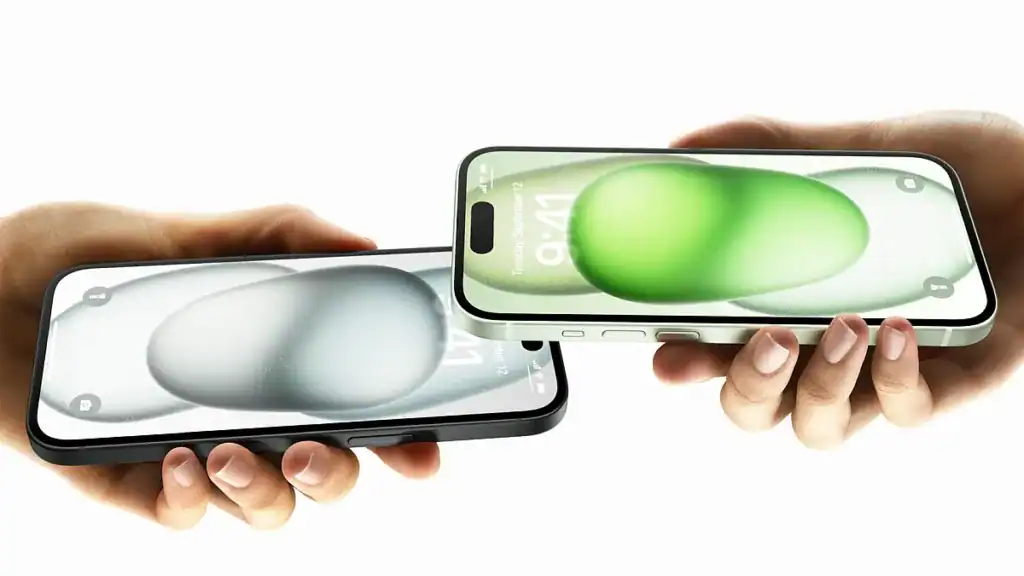
Google recently reverse-engineered Apple’s AirDrop protocol without any collaboration from Cupertino, enabling Pixel 10 users to seamlessly share files with iPhones. This breakthrough allows Quick Share on Android to communicate directly with AirDrop, creating unprecedented cross-platform compatibility that Apple has historically resisted.
The implementation uses Rust programming language for enhanced security, and Google claims it engaged third-party security firm NetSPI to pentest the solution, ensuring the feature meets rigorous privacy standards.
The $1 Billion Reason Apple’s Staying Silent
| Key Factor | Details |
|---|---|
| AI Partnership | Apple paying Google ~$1B annually for Gemini AI |
| Search Deal | Google pays Apple $20B yearly for Safari default search |
| New AI Integration | 1.2 trillion-parameter Gemini model powering revamped Siri |
| Strategic Risk | Blocking AirDrop workaround could trigger antitrust scrutiny |
The billion-dollar elephant in the room? Apple is reportedly paying Google around $1 billion per year to use Google’s proprietary AI technology to power its upcoming revamped Siri with a gigantic 1.2 trillion-parameter Gemini model. This dwarfs the current 1.5 billion-parameter model Apple uses.
According to Bloomberg’s reporting, Apple tested OpenAI’s ChatGPT and Anthropic’s Claude before settling on Google’s Gemini, indicating Google’s terms were most attractive. Apple wouldn’t want to jeopardize this critical AI partnership by aggressively blocking Google’s file-sharing innovation.
EU Regulations Forcing Apple’s Hand
Beyond the financial incentives, regulatory pressure is reshaping Apple’s ecosystem. The EU’s Digital Markets Act is compelling Apple to transition from its proprietary Apple Wireless Direct Link (AWDL) protocol to the industry-standard Wi-Fi Aware technology, which inherently enables more cross-platform compatibility.
Apple has already faced regulatory challenges in the Epic Games case, where courts compelled the company to allow external payment methods. With growing antitrust scrutiny, Apple likely wants to avoid fresh legal battles by gutting Google’s AirDrop workaround.
How Cross-Platform File Sharing Works Now
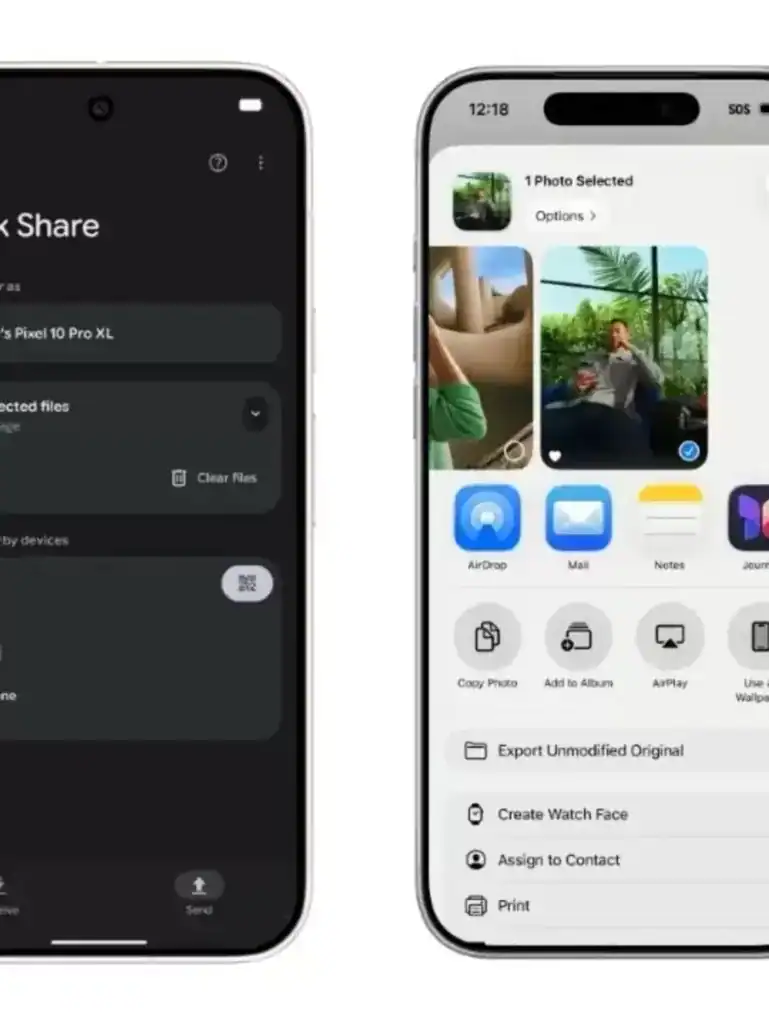
The new feature works surprisingly smoothly. iPhone users simply need to set AirDrop to “Everyone for 10 Minutes” mode to receive files from Pixel devices. The connection is direct and peer-to-peer, meaning data never routes through servers, shared content isn’t logged, and no extra data is shared.
Google has confirmed this is “just the first step,” with plans to expand compatibility to more Android devices including Samsung, OnePlus, and other manufacturers soon.
The Strategic Calculus
Apple finds itself in a delicate balancing act. While it traditionally guards its ecosystem fiercely—remember how it blocked Beeper’s iMessage workaround?—the convergence of financial partnerships, regulatory pressure, and user demand for interoperability has shifted the equation.
The tech giant’s broader AI strategy depends heavily on Google’s cooperation, making a hostile response to the AirDrop integration strategically unwise. For now, cross-platform file sharing appears here to stay.
Frequently Asked Questions
Q1: Does Google’s AirDrop compatibility work on all Android phones?
Currently, the feature is exclusive to Google Pixel 10 devices but will expand to other Android manufacturers including Samsung and OnePlus in the coming months.
Q2: Is it secure to share files between iPhone and Android using this method?
Yes. Google implemented the feature using Rust programming language and engaged third-party security firm NetSPI to verify the solution meets high security standards with end-to-end encryption.
Q3: Why is Apple paying Google $1 billion annually?
Apple is licensing Google’s 1.2 trillion-parameter Gemini AI model to power its revamped Siri, representing a significant upgrade from Apple’s current 1.5 billion-parameter model.
Q4: Can Apple still block this AirDrop workaround?
Technically yes, but the financial partnership with Google, EU regulatory pressure, and potential antitrust concerns make such action strategically risky for Apple.
Q5: Do iPhone users need to change settings to receive files from Android?
Yes, iPhone users must temporarily set AirDrop to “Everyone for 10 Minutes” mode to receive files from Android devices. Google hopes future collaboration with Apple will enable “Contacts Only” mode compatibility.