In one of 2025’s most audacious tech moves, Mark Zuckerberg has bet Meta’s AI future on a 28-year-old MIT dropout. Alexandr Wang, founder of Scale AI, now leads Meta Superintelligence Labs after a staggering $14.3 billion deal that makes him the company’s first-ever Chief AI Officer. Here’s the extraordinary story of how a teenager working from air mattresses became the architect of Meta’s superintelligence ambitions.
Table of Contents
The Deal That Shocked Silicon Valley
| Deal Highlights | Details |
|---|---|
| Meta Investment | $14.3 billion for 49% stake in Scale AI |
| Scale AI Valuation | $29 billion post-deal |
| Wang’s Role | Chief AI Officer, Meta Superintelligence Labs |
| Wang’s Personal Stake | Approximately $5 billion |
| Deal Type | Non-voting shares with future conversion potential |
| New Organization | Meta Superintelligence Labs (MSL) |
| Reporting Structure | Directly to Mark Zuckerberg |
| Other Key Hires | Nat Friedman (ex-GitHub CEO), Daniel Gross (Safe Superintelligence) |
| Deal Date | June 2025 |
Mark Zuckerberg announced the creation of Meta Superintelligence Labs, which will be led by Scale AI ex-CEO Alexandr Wang and former GitHub CEO Nat Friedman, as part of a $14.3 billion investment into Scale AI.
This represents Meta’s largest outside investment ever and one of the biggest tech acquisitions of 2025, signaling Zuckerberg’s desperation to catch up in the AI race.
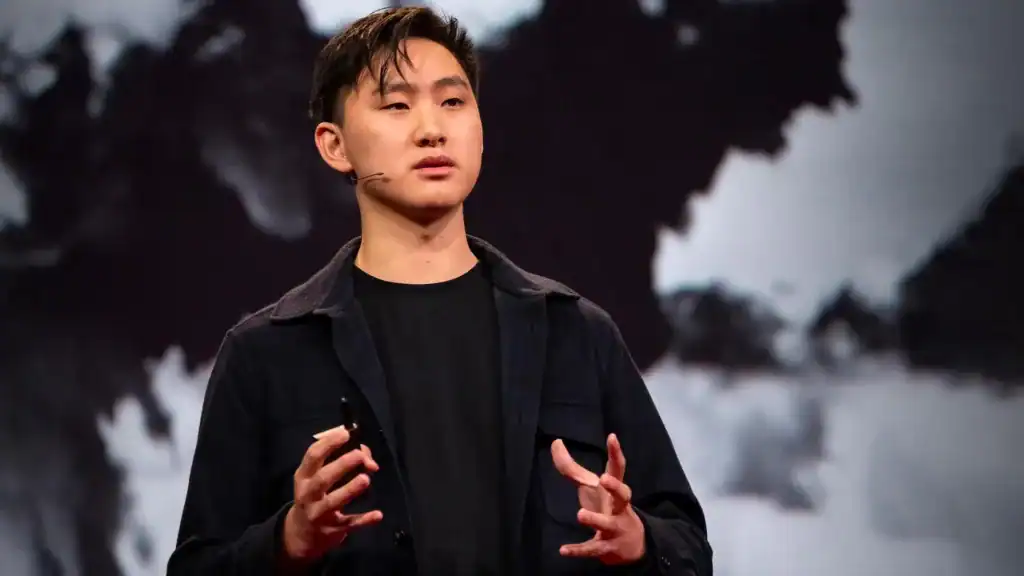
From Air Mattresses to Billions: The Alexandr Wang Story
The Prodigy Years
Born in New Mexico to Chinese immigrant physicists, Wang dropped out of MIT at 19 to launch Scale AI in 2016 alongside co-founder Lucy Guo.
In the summer of 2016, Alexandr Wang was a 19-year-old building his data-labeling startup, Scale AI, in a Silicon Valley pool house with his cofounder, Lucy Guo, while the two participated in the Y Combinator startup accelerator. When not working, the two founders slept on air mattresses and pondered the fledgling business’s potential.
The Early Hustle: Alexandr Wang and Guo joined the prestigious Y Combinator accelerator program, famous for launching companies like Airbnb, Dropbox, and Reddit. Working from a pool house, sleeping on air mattresses, the duo hustled relentlessly to build what would become one of AI’s most critical infrastructure companies.
Building Scale AI: The Engine of Modern AI
Scale AI isn’t a household name, but it’s the engine of modern LLM systems. The San Francisco company provides the massive amounts of labeled training data that power everything from ChatGPT to autonomous vehicles. Think of it as the oil refinery of the AI boom—taking raw data and turning it into the high-quality fuel that makes AI models work.
What Scale AI Does:
- Provides high-quality labeled data for training AI models
- Powers systems for OpenAI, Google, Microsoft, and Meta
- Specializes in data annotation and preparation at massive scale
- Operates SEAL (Safety, Evaluations, and Alignment Lab) for AI benchmarking
Scale AI, founded in 2016, has made a splash in the era of generative AI by helping major tech companies like OpenAI, Google and Microsoft prepare data they use to train cutting-edge AI models. Meta is one of Scale AI’s biggest customers.
Impressive Growth: Scale AI signed one of San Francisco’s biggest recent commercial leases in 2024, securing 180,000 square feet of downtown space. The company also landed multimillion-dollar deals with the Department of Defense, expanding beyond tech into defense AI applications.
The Youngest Self-Made Billionaire
By his mid-20s, Wang had built Scale AI into a $14 billion valuation company (pre-Meta deal), making him one of the youngest self-made billionaires in tech history. His reputation as an ambitious leader who understands both AI’s technical complexities and business fundamentals caught Zuckerberg’s attention.
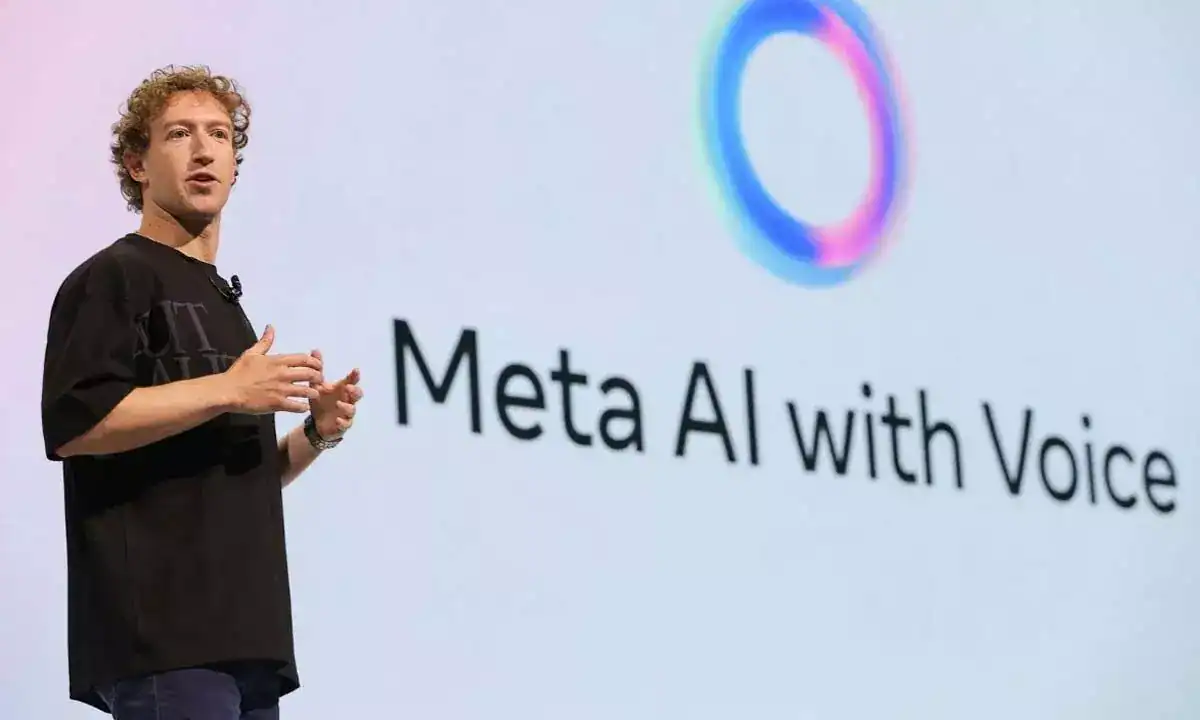
Why Zuckerberg Made This Desperate Bet
Meta’s AI Crisis
With the release of Llama 4 in April 2025, Meta’s malaise became a crisis. Allegations of possibly inflated performance metrics, a rushed release, and a lack of transparency, along with indications that Meta was failing to keep pace with open-source AI rivals like China’s DeepSeek, led many in the industry to proclaim Meta’s latest AI model a flop.
The Frustration Factor: Zuckerberg has grown frustrated that rivals like OpenAI appear to be further ahead than Meta in underlying AI models and consumer-facing apps, current and former Meta employees said.
Despite spending up to $65 billion on AI infrastructure in 2025 alone, Meta was losing ground to competitors. OpenAI’s ChatGPT dominated consumer mindshare, while Google’s Gemini and Anthropic’s Claude were winning developer loyalty.
The Tahoe Negotiations
Meta CEO Mark Zuckerberg and Scale AI CEO Alexandr Wang discussed the deal in Tahoe, where Zuckerberg owns a home.
Wang resisted Zuckerberg’s initial proposal that he join Meta, saying that if he were to leave his startup, any deal would have to involve an immediate (and worthwhile) outcome for Scale AI’s investors. Throughout May, the two CEOs held on-and-off discussions, going from a proposed $5 billion Meta nonvoting investment in Scale AI to the eventual arrangement of Meta investing $14.3 billion for 49% of Scale in nonvoting shares with potential future conversion potential.
Wang’s negotiating leverage was immense—he wasn’t desperate to leave Scale AI, forcing Zuckerberg to sweeten the deal dramatically from an initial $5 billion to the final $14.3 billion.
Zuckerberg’s Personal Recruiting Blitz
Reportedly, Zuckerberg has been personally recruiting from his homes in Lake Tahoe and Palo Alto, offering seven- to nine-figure compensation packages to lure top researchers from OpenAI and Google.
The Wang hire represents Zuckerberg’s most aggressive move in an AI hiring spree that includes:
- Nat Friedman: Former GitHub CEO
- Daniel Gross: Former CEO of Safe Superintelligence (Ilya Sutskever’s startup)
- Ruoming Pang: Apple’s foundation models team leader (reportedly $200 million over 4 years)
- Multiple researchers poached from OpenAI, Anthropic, Google, and Apple
What is Meta Superintelligence Labs?
Zuckerberg said the new AI superintelligence unit, MSL, will house the company’s various teams working on foundation models such as the open-source Llama software, products and Fundamental Artificial Intelligence Research projects.
Organizational Structure
According to an internal memo obtained by Bloomberg, Wang wrote, “Superintelligence is coming, and in order to take it seriously, we need to organise around the key areas that will be critical to reach it—research, product and infra.”
MSL consolidates:
- Foundation Models Team: Llama development
- Product AI Teams: Consumer-facing AI features
- FAIR (Fundamental AI Research): Long-term research (founded by Yann LeCun)
- New Superintelligence Lab: Next-generation model development
Wang has restructured Meta’s AI efforts into four strategic groups focused on accelerating progress toward artificial general intelligence (AGI).
The Superintelligence Goal
There is no agreed-upon formal definition of “superintelligence,” though it typically refers to an intelligence that vastly surpasses human capabilities in virtually all domains, including scientific creativity, general wisdom, and social skills—exceeding human cognition across the board.
The Vision: Meta aims to develop AI systems that don’t just match human intelligence (AGI) but exceed it dramatically across all domains—what’s called superintelligence. This represents the ultimate prize in today’s AI race.

Zuckerberg’s Unprecedented Praise
Zuckerberg said, “Alex and I have worked together for several years, and I consider him to be the most impressive founder of his generation. He has a clear sense of the historic importance of superintelligence, and as co-founder and CEO he built Scale AI into a fast-growing company involved in the development of almost all leading models across the industry.”
This extraordinary endorsement from Zuckerberg—who himself became a billionaire by 23—positions Wang as the chosen architect of Meta’s AI future.
Wang’s Immediate Challenges
1. Reviving Llama Models
Even as Alexandr Wang pushes for future superintelligence, he has the challenging near-term assignment of reinvigorating Meta’s current LLM efforts. In the Llama large language models, Meta has a valuable asset and vast resources to draw upon.
Wang must decide whether to keep Llama open-source or pivot to closed models as competition intensifies, particularly from Chinese rivals like DeepSeek.
2. Talent Integration
Managing a team of AI superstars earning eight- and nine-figure packages requires exceptional leadership. Wang must balance egos, coordinate research directions, and maintain momentum across multiple AI initiatives.
3. Balancing Innovation with Ethics
Wang faces enormous pressure. Leading Meta’s AI ecosystem requires balancing innovation with ethical responsibility. The pursuit of superintelligence raises critical questions about safety, transparency and regulatory oversight, areas where both Wang and Meta have faced scrutiny.
4. Maintaining Scale AI’s Neutrality
Scale has carefully maintained neutrality, working with competing AI labs and government agencies. With Meta as a major stakeholder and Wang leading Meta’s most sensitive AI research, that balance becomes more complex.
Scale AI’s existing clients—including OpenAI, Google, and government agencies—may worry about conflicts of interest now that its founder leads a competing AI effort.
The Strategic Rationale: Data Quality Over Compute
As models become more sophisticated, the bottleneck has moved from computing power to data quality and safety. Scale’s SEAL (Safety, Evaluations, and Alignment Lab) has become influential in benchmarking AI model performance and identifying risks—capabilities that become even more critical as AI systems grow more powerful.
Why Scale AI Matters: While competitors focus on raw computing power (billions spent on data centers and GPUs), Wang brings expertise in the equally critical challenge of data quality. High-quality training data separates mediocre AI from transformative AI.
Meta’s Competitive Positioning
Zuckerberg claimed that Meta is “uniquely positioned to deliver superintelligence to the world,” pointing to its efforts to build out data centers supporting more computing power than smaller labs, deeper experience building products reaching billions of people, and pioneering AI glasses and wearables.
Meta’s Advantages: ✅ Massive compute infrastructure ($65B+ annual AI spending) ✅ 3.4 billion user base for real-world testing ✅ Leading position in AR/VR hardware (Meta Quest, Ray-Ban Meta glasses) ✅ Open-source philosophy attracting developer ecosystem ✅ Now: Wang’s data labeling expertise and superstar AI team
The Stakes: Meta’s Future Depends on This Bet
As one current Meta AI research scientist—who isn’t on the new superintelligence team—told Fortune, if that group makes big leaps in frontier AI over the next six months, “everything can be justified.”
Success Scenarios:
- Llama 5 dramatically outperforms GPT-5 and Gemini 2.0
- Meta achieves AGI breakthroughs ahead of competitors
- AI-powered products drive significant revenue growth
- Meta’s valuation surges as investors bet on AI leadership
Failure Scenarios:
- $14.3B investment fails to produce competitive models
- Talent exodus if superintelligence team underperforms
- Continued losses to OpenAI and Google in developer mindshare
- Shareholder revolt over AI spending without returns
What Makes Wang Different
Unlike typical tech executives who rose through corporate ranks, Wang brings:
1. Founder Mentality: Built Scale AI from scratch, understands startup velocity
2. Data Expertise: Deep knowledge of what actually makes AI models work
3. Industry Relationships: Worked with every major AI lab, understands competitive landscape
4. Youth and Energy: At 28, willing to take bold risks older executives avoid
5. Proven Business Acumen: Scaled startup to $29B valuation in under a decade
The Broader Silicon Valley Implications
Wang’s appointment sends shockwaves through the AI industry:
For Founders: The “founder-to-corporate-leadership” path remains viable even at highest levels
For Big Tech: Acqui-hires of this magnitude signal desperation to win AI race
For AI Startups: Quality data infrastructure commands premium valuations
For Competitors: Meta’s aggressive talent raids force defensive counter-offers
The Road Ahead: Can Wang Deliver Superintelligence?
At just 28, Alexandr Wang now sits at the top of one of the world’s most ambitious AI programmes. For Meta, the move is both a gamble and a strategic bet: investing heavily in a young visionary and the infrastructure that could redefine the future of intelligence. Whether Wang can steer Meta toward true “superintelligence” remains the world’s next big tech question.
Timeline Expectations:
- 6-12 months: Reorganization effects visible, Llama improvements
- 1-2 years: First superintelligence lab breakthroughs expected
- 3-5 years: AGI achievements could materialize
- 5+ years: True superintelligence remains speculative
Bottom Line: The Highest-Stakes Bet in AI
Mark Zuckerberg has placed his biggest bet yet on a 28-year-old genius who built Scale AI from air mattresses to billions. The $14.3 billion investment in Wang and his company represents more than financial commitment—it’s a strategic pivot betting that data quality, not just compute power, will determine who wins the race to superintelligence.
For Alexandr Wang, the opportunity is unprecedented: lead one of the world’s best-funded, most ambitious AI initiatives with direct access to billions of users. The pressure is equally immense—deliver AGI breakthroughs or become a cautionary tale of overhyped potential.
For Meta, this is existential. Falling behind in AI means irrelevance in the next computing paradigm. Zuckerberg is betting his company’s future that a young founder sleeping on air mattresses nine years ago now holds the key to superintelligence.
The question everyone in Silicon Valley is asking: Will Alexandr Wang prove to be Meta’s salvation or its most expensive mistake?
Only time—and the AI models his team builds—will tell.
For more insights on AI industry developments, tech leadership stories, and Silicon Valley analysis, stay connected with TechnoSports.