The WGA just reached a surprise deal with major studios a month before their contract expires—a significant moment for entertainment labor. The Writers’ Guild announced the tentative agreement on Saturday, April 4, 2026, dodging what could’ve been a second major strike in two years. This comes as the industry wrestles with ongoing tensions over AI-generated content, streaming compensation, and writer protections—the very issues that fueled the 2023 strike, which lasted 148 days.
WGA Deal Prevents Second Strike in Three Years
The WGA’s unexpected agreement sidesteps a potential shutdown that would’ve disrupted film and television productions. Both parties accelerated negotiations in recent weeks, recognizing the economic toll another prolonged dispute would take. The deal tackles the core issues: minimum pay rates for writers, real protections against AI replacing human creativity, and better conditions for writers just starting out.
Industry insiders point out the timing matters—it arrives as Super Mario Galaxy Movie heads toward a massive $188.6 million U.S. opening, showing studios want uninterrupted production schedules. The agreement covers approximately 11,500 writers across television, film, and new media.
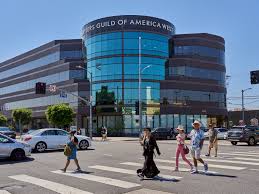
Their 2023 strike caused cascading delays that pushed major releases into 2024 and beyond, costing the entertainment industry billions. This time, leadership pushed for early resolution to prevent that kind of damage happening again.
What Changed From Last Year’s WGA Negotiations
The latest agreement reflects what both sides learned from 2023. Studios have reportedly accepted stronger language around AI usage, including a commitment that writers can’t be replaced by artificial intelligence for original story development. Minimum weekly pay rates have gone up, with specific gains for writers on streaming platforms—something studios had resisted before.
The deal also creates clearer paths for junior writers to land employment, addressing concerns about emerging talent getting squeezed out. That said, exact financial figures and specific contract terms are still under review by the membership before ratification. The union needs to vote to approve the tentative agreement, a process expected to wrap up within weeks.
How This WGA Agreement Impacts Hollywood Production
This contract stabilizes the entertainment calendar at a critical moment. Productions that had paused or delayed development can now move forward without hesitation. Streaming platforms like Netflix, which depend heavily on scripted content, benefit from resumed writing capacity.
The agreement also shows that studios and writers understand they need each other—neither side thrives alone. For viewers, the immediate impact means fewer production delays and more consistent content pipelines heading into 2027. The success in securing AI protections may also influence similar negotiations with actors’ unions, setting precedent for labor agreements in the technology era (according to VentureBeat AI).
WGA Contract: Questions Answered
Q: When does the new WGA contract take effect?
The tentative agreement needs ratification by the membership before it becomes official. This process typically takes 2-4 weeks (as reported by OpenAI Blog).
Q: Does the deal include AI protections?
Yes. The agreement includes language preventing studios from using AI to replace writers for original content development and story creation.
Q: How much did writer pay increase in this deal?
Specific figures stay confidential until membership ratification, but reports indicate meaningful increases for both experienced and junior writers.
Q: Will there be another strike if this deal fails ratification?
Unlikely. Leadership negotiated this agreement with membership input, making approval probable.
Q: How does this contract compare to 2023’s deal?
This agreement builds on 2023 protections while adding stronger AI safeguards and improved streaming compensation—areas where studios previously resisted.