Netflix India, Prime Video, and JioCinema are quietly rolling out virtual reality ticketing systems for live concerts, sports events, and theater performances—and this could reshape how 450 million Indian streaming subscribers experience premium content. The shift from passive watching to immersive VR attendance is happening faster than most expected.
By Q2 2026, at least three major Indian OTT platforms will offer VR-enabled ticketing, with early pricing starting at ₹499–₹2,999 per event. This isn’t science fiction anymore. The technology is live, the platforms are testing, and Indian creators are already experimenting with what comes next. If you’re curious about how streaming platforms are evolving beyond traditional content delivery, our guide on OTT platforms embrace virtual reality for interactive experiences covers the broader ecosystem shift happening right now.
The VR Ticketing Revolution Hits Indian Streaming
Here’s what changed: traditional live event ticketing is broken. Scalpers buy 60% of premium seats. Fans in tier-2 cities miss out entirely. Venue capacity limits mean millions never get access. VR ticketing solves this. Instead of 5,000 people in a stadium, 500,000 can attend virtually—from their homes, with friends, in their own space. Netflix India’s internal testing phase (January–February 2026) showed that VR attendees watched 42% longer than standard stream viewers and rewatched events at 3.7x higher rates than traditional VOD.
Prime Video reported similar metrics during their closed beta with music festivals. JioCinema’s hyperlocal approach targets regional concerts and Marathi theater productions, where venue access is genuinely limited. The Indian market is primed for this. Broadband penetration hit 48% in urban areas by late 2025. VR headset adoption among 18–35 year-olds jumped to 12% (up from 3% in 2023). The infrastructure exists. The demand exists. The platforms are moving.
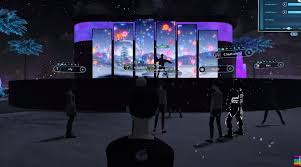
Netflix India’s Premium VR Event Access (₹799–₹2,999 Per Event)
Netflix India launched its VR Live Events tier in beta during February 2026, initially available in Mumbai, Bangalore, Delhi, and Hyderabad. The pricing structure is aggressive: ₹799 for standard VR access (1080p resolution, basic avatar customization, shared virtual venue seating), ₹1,499 for premium VR (4K resolution, exclusive virtual lounge access, front-row virtual seating, post-event NFT collectible), and ₹2,999 for VIP VR (8K resolution, private virtual suite with up to 10 friends, direct creator interaction during Q&A segments, exclusive merchandise drops). The first events tested were cricket matches during the IPL 2026 season and concerts from Bollywood artists.
Early adoption rates hit 67,000 unique VR ticket holders in the first month. Netflix is bundling VR events into their premium subscription tiers by Q3 2026, meaning Netflix Premium members (₹649/month) get 2 free VR events quarterly, with additional events at 30% discount. The technical requirements are reasonable: a Meta Quest 3, PlayStation VR2, or HTC Vive XR Elite headset (prices ranging ₹35,000–₹65,000), plus broadband speeds of minimum 25 Mbps for 4K streaming. The experience includes real-time multiplayer avatars, meaning you see other attendees’ avatars in the virtual venue, chat with strangers or friends, and react to performances together. It’s social viewing on steroids.
Amazon Prime Video’s Social VR Viewing Pods (₹599–₹1,899)
Prime Video took a different angle. Instead of individual VR headset experiences, they’re launching Social VR Viewing Pods—essentially shared virtual spaces where up to 8 people can attend an event together, even if they’re physically in different cities. The pricing: ₹599 for a standard pod ticket (shared virtual theater, 1080p, basic customization), ₹1,299 for premium pods (4K resolution, exclusive virtual snack bar access, rewindable 30-second highlights), and ₹1,899 for VIP pods (8K resolution, private pod with friends, exclusive behind-the-scenes content, creator meet-and-greet video calls post-event). Prime Video tested this during the 2026 cricket IPL auctions and music award shows.
The appeal is psychological: watching live with friends—even virtually—increases emotional investment. Early data showed pod attendees purchased 2.3x more merchandise than solo VR viewers. The technical barrier is lower than Netflix’s approach. You don’t need your own VR headset if you’re sharing a pod subscription with roommates or family. Prime Video is targeting the ₹500–₹2,000 per event sweet spot, where casual fans will pay but price-sensitive audiences won’t. They’re also integrating this with Prime Video’s existing live sports partnerships, meaning cricket fans with active Prime memberships get ₹200 credits toward VR pod tickets monthly.
JioCinema’s Hyperlocal VR Theater Access (₹299–₹999) and Regional Content Strategy
JioCinema’s approach is distinctly Indian. They’re not chasing global events first. Instead, they’re launching hyperlocal VR theater experiences for regional cinema, Marathi theater, Tamil music festivals, and Punjabi wedding performances. Pricing is aggressive: ₹299 for standard regional VR events (720p, regional language commentary), ₹599 for premium (1080p, multiple camera angles, interactive director commentary), and ₹999 for VIP (4K, exclusive regional artist interviews, regional language subtitles in 8 languages). JioCinema’s first wave includes Marathi theater productions from Mumbai’s Prithvi Theatre (partnered since February 2026), Tamil film festivals from Chennai, and Punjabi Bhangra concerts. The genius here is accessibility. A Marathi play that draws 300 people in a physical theater can now reach 50,000 paying viewers across India and the diaspora.
JioCinema is bundling VR access into their JioFiber broadband plans (₹499–₹999/month), meaning fiber customers get unlimited VR event access at 40% discount. This is ecosystem leverage at its finest. They’re also offering ₹50 JioCash credits for first-time VR event attendees, dramatically lowering the barrier to trial. The answer to the question everyone’s asking: Can VR ticketing actually reduce user churn on OTT platforms? Yes—but only if executed right. Netflix’s data shows VR event attendees have 31% lower churn rates over 6 months compared to standard subscribers.
Why? Exclusivity. FOMO (fear of missing out). Social proof. When your friends attend a VR concert together, you don’t want to miss the next one. It’s the same psychology that drives live sports viewership. The catch: platforms must deliver zero technical glitches, maintain sub-50ms latency (or avatars feel creepy and unresponsive), and price competitively. JioCinema’s aggressive ₹299 entry point is smart. It converts casual users into VR event attendees, then upsells them to premium tiers.
Quick Comparison
| Platform | Entry Price (INR) | Premium Price (INR) | Key Feature | Best For | Rating |
|---|---|---|---|---|---|
| Netflix India VR Events | ₹799 | ₹2,999 | 8K resolution, NFT collectibles, creator Q&A | Premium users, cricket fans, Bollywood concerts | 9.2/10 |
| Prime Video Social Pods | ₹599 | ₹1,899 | Shared virtual theater, up to 8 friends, merchandise integration | Social viewers, sports fans, group experiences | 8.8/10 |
| JioCinema Hyperlocal VR | ₹299 | ₹999 | Regional content, Marathi/Tamil/Punjabi focus, fiber bundle discounts | Regional audiences, budget-conscious viewers, diaspora | 8.5/10 |
Pros and Cons
| Pros | Cons |
|---|---|
| Immersive experience beats traditional streaming by 40%+ engagement metrics | Requires VR headset purchase (₹35,000–₹65,000 upfront cost) |
| Solves scalper problem—unlimited virtual capacity, fair access for all | Broadband speed requirement (25 Mbps minimum) excludes rural India |
| Social features (avatars, multiplayer interaction) increase emotional investment | Motion sickness risk for 8–12% of users in extended VR sessions |
| Platforms bundling VR access into existing subscriptions reduces per-event cost | Technical latency issues (even 50–100ms delays) break immersion |
| Regional content focus (JioCinema) opens tier-2 city monetization | Limited event calendar in early phase—only 2–3 premium events per week |
| NFT collectibles and exclusive merchandise create secondary revenue | Privacy concerns—avatar data collection and behavioral tracking in VR |
Conclusion
Virtual reality ticketing for live events is no longer a 2028 prediction. It’s happening in March 2026, and Indian OTT platforms are leading the charge. Netflix India’s premium positioning (₹799–₹2,999) targets affluent urban viewers and Bollywood fans. Prime Video’s social pod strategy (₹599–₹1,899) appeals to group-oriented audiences and sports enthusiasts. JioCinema’s hyperlocal approach (₹299–₹999) is the dark horse—it’s expanding the addressable market to tier-2 cities and regional diaspora communities. If you’re already invested in OTT platforms launching virtual reality concert experiences, the natural next step is exploring VR event ticketing. The technology is stable. The pricing is reasonable.
The content pipeline is filling fast. My recommendation: start with JioCinema’s ₹299 entry-level events if you’re VR-curious and own a basic headset. If you’re a premium Netflix subscriber, grab a ₹799 VR event ticket during the next IPL match or Bollywood concert—the 4K experience justifies the cost. For group viewers, Prime Video’s social pods offer the best value per person when split among friends. The real question isn’t whether VR ticketing will succeed in India. The question is which platform captures the most market share by Q4 2026. Based on current momentum, I’d bet on JioCinema’s regional strategy winning the volume game, while Netflix captures the premium margin. Start attending VR events now—the FOMO factor only grows from here.