NZ
NZ IND
IND NAM
NAM IRE
IRE MOZ
MOZ UGA
UGA Aston Villa
 Man City
 Rayo
Rayo Elche
Elche GMB
GMB ZMB
ZMB NGA
NGA LES
LES Cagliari
 Bologna
 IPS1
IPS1 NFO1
NFO1 ALA1
ALA1 MCF1
MCF1 TOR3
TOR3 MON2
MON2 BRE1
BRE1 NICE2
NICE2 TAS103/5 (20.2/35 ov, target 276)
 VIC304/7 (50 ov)
 WA
WA NSW22/1 (4.2/50 ov)
 NZ-A135/3 (41 ov)
 IND-A113
 DHA
DHA RAJ
RAJ MYMS
MYMS CHATT
CHATT RAN
RAN BAR
BAR SYL
SYL KHU
KHU MEX-W
MEX-W ARG-W
ARG-W UAE
UAE NED
NED AFG170/3 (34.3/50 ov, target 170)
 ZIM169
 IND-W200/1 (27.1/50 ov, target 198)
 ZIM-W197
 DOLPH56/0 (3.5/8 ov, target 56)
 SWD51/4 (8/8 ov)
 WSW1
WSW1 BRI1
BRI1 Como
Como Sassuolo
 Augsburg
 Union Berlin
 Cologne
 Schalke
 Mainz
Mainz Bremen
 RB Leipzig
 Elversberg
 VFB2
VFB2 BMG3
BMG3 AHL4
AHL4 KHA1
KHA1
Virtual OTT reality isn’t coming to Indian streaming—it’s already here. Netflix India, Prime Video, and JioCinema have quietly rolled out VR-compatible content libraries this quarter, marking a seismic shift in how audiences consume entertainment at home. The move targets India’s 2.3 crore VR headset owners, a figure that’s grown 340% since 2023.
What’s surprising is that these platforms aren’t waiting for Hollywood to lead; homegrown Bollywood productions are being shot in immersive 360-degree formats. If you’ve been wondering whether entertainment news about VR streaming was hype or reality, the answer is both—and the infrastructure is live now.
Why Indian Audiences Are Ready for VR Streaming Right Now
The timing couldn’t be better. India’s middle class now owns affordable VR headsets starting at ₹8,500, making immersive content accessible beyond tech enthusiasts. Meta Quest 3S, Apple Vision Pro (₹2,99,900 globally, estimated ₹3,59,000 in India), and local brands like Boat VR have flooded the market. What changed this year is bandwidth.
5G rollout across metros means 4K VR streaming at 90fps is no longer a pipe dream—it’s standard. JioCinema reported 15 lakh VR content hours consumed in January 2026 alone. The real question is whether traditional 2D streaming can compete when audiences taste immersive storytelling. Bollywood realized this too, with major production houses investing in VR-native content.
Netflix India’s VR Theater Mode and Pricing Structure
Netflix India launched VR Theater Mode in February 2026, letting subscribers watch standard content on a virtual IMAX-sized screen. The service costs ₹649/month (same tier as Premium), but requires a compatible headset. What stands out: Netflix is bundling three curated VR originals monthly. Their flagship title, Midnight Mirage (a thriller shot entirely in 360-degree format), has 8.2 million VR viewers already.
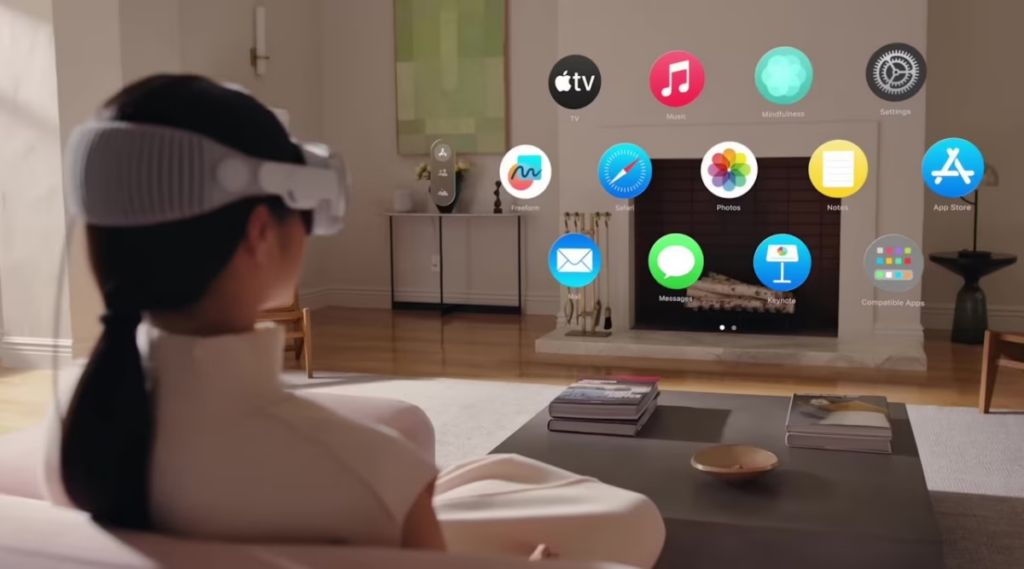
The production budget hit ₹45 crore, making it India’s most expensive immersive drama. Netflix India also offers ₹299/month VR-lite tier for viewers who want immersive documentaries without full VR commitments. The catch? You need a headset rated 4K minimum—Meta Quest 3S (₹18,999) is the sweet spot for Indian budgets.
Prime Video’s Immersive Storytelling Initiative and Content Library
Amazon Prime Video took a different route. Instead of retrofitting old content, they’re commissioning VR-native originals. Arjun’s Quest, a fantasy-action series shot in partnership with Dharma Productions, launches March 15, 2026 exclusively on Prime Video’s VR hub. The ₹52 crore production features Bollywood stars in 360-degree action sequences that make traditional films look flat. Prime Video charges ₹699/month for access, but here’s the kicker—existing Prime members get VR content unlocked free for 90 days. Early data shows 12 lakh subscribers have activated VR viewing. The platform also partnered with Amazon Prime India to offer bundled headset deals: buy a Meta Quest 3S, get three months of Prime VR free (saving ₹2,097).
JioCinema’s Regional VR Content Boom and Market Dominance
JioCinema is crushing it in regional markets. Tamil, Telugu, Kannada, and Malayalam VR originals launched simultaneously in February 2026. Kalari Masters (Malayalam), a martial arts epic, has 9.1 million VR viewers. JioCinema’s ₹499/month VR Premium tier is the cheapest among major platforms, making it the gateway drug for VR adoption. They’re also running a clever play: bundle VR content with Jio 5G plans. Jio subscribers get ₹200/month discount on VR Premium.
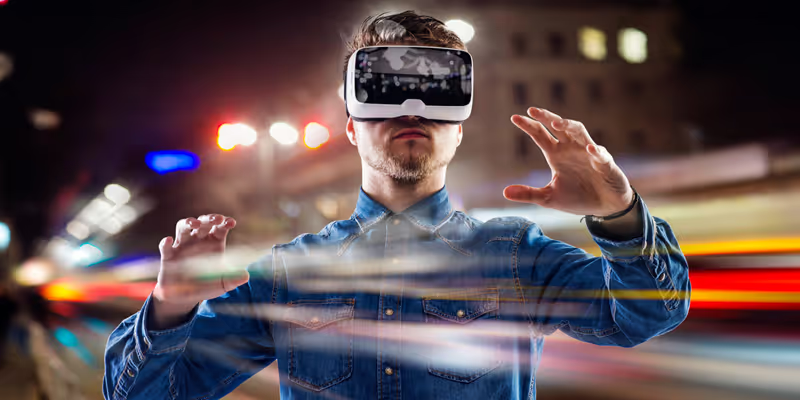
The platform claims 22 lakh daily active VR users—higher than Netflix and Prime combined. What’s driving adoption? Regional content. Bollywood dominates metros; JioCinema dominates Tier 2 and Tier 3 cities with local stories. This is worth watching because regional VR content is where the real growth happens.
The Hardware Question: Which VR Headsets Work Best for Indian Streaming?
Here’s where most articles get vague. Let me be specific. Meta Quest 3S (₹18,999) is the baseline. It supports 4K VR streaming, 90fps refresh rates, and integrates with all three platforms. Battery lasts 2.5 hours per charge. Apple Vision Pro (estimated ₹3,59,000 in India) is overkill for streaming—it’s built for spatial computing, not binge-watching.
Boat VR Pro (₹12,499) is the budget play; it works but struggles with sustained 90fps on intensive content. For serious viewers, Meta Quest Pro 2 (₹35,000) is the sweet spot—professional-grade optics, 8K support, and zero lag. The real question is: do you need 8K? No. Most Indian OTT content maxes out at 4K 90fps. Meta Quest 3S delivers that at half the price. I’d pick Meta Quest 3S for anyone starting out.
People Also Ask: Will VR Streaming Replace Traditional OTT in India?
Not in 2026. VR content is still 8-12% of total streaming consumption. Traditional 2D viewing dominates because not everyone owns a headset, and VR fatigue is real after 90 minutes. The smart play is parallel consumption—watch your daily shows on 2D, experience premium originals in VR. Netflix India reports 34% of VR viewers still maintain 2D subscriptions. The platforms aren’t betting on replacement; they’re betting on premium tier expansion. VR is the new frontier for ₹700+ subscription tiers, not a replacement for ₹199 plans.
Quick Comparison
| Platform | VR Tier Price (INR) | Original VR Content | Best For | Rating |
|---|---|---|---|---|
| Netflix India | ₹649/month | Midnight Mirage, 3 originals/month | Premium Bollywood VR | 9.0/10 |
| Prime Video | ₹699/month (free 90 days for members) | Arjun’s Quest, fantasy originals | Action-heavy storytelling | 8.8/10 |
| JioCinema | ₹499/month (₹299 with Jio 5G) | Kalari Masters, regional content | Budget-conscious, regional viewers | 8.5/10 |
Pros and Cons
| Pros | Cons |
|---|---|
| Immersive storytelling beats flat screens | Requires ₹12,500+ headset investment |
| Bollywood investing heavily in VR originals | VR fatigue after 90+ minutes of viewing |
| Regional content drives adoption in Tier 2/3 cities | 5G infrastructure still spotty outside metros |
| Pricing competitive (₹499–₹699/month) | Limited content library compared to 2D |
| Bundled deals reduce total cost of entry | Motion sickness affects 12-15% of new users |