MBSG
 CFC
 PSG
 LYON
 SEV
 OSA
 NED
 OMA
 NZ
 IND
 NAM
 IRE
 PAK
 SL
 SA
 AUS
 Barcelona1
 Real Madrid2
 Udinese0
 Milan2
 Real Sociedad2
 Levante1
 Lecce0
 Juventus2
 NZ-A317
 IND-A113 & 488/8 (119 ov)
 SYL280/2 (84 ov)
 KHU
 MYMS465/7d
 CHATT195/2 (55 ov)
 DHA521
 RAJ103/6 (26 ov)
 RAN402
 BAR179/3 (56.1 ov)
 SIKM
 NAGA167/8 (67 ov)
 JHK
 DELHI226/5 (67 ov)
 ODSA157/7 (64.5 ov)
 SVCS
 BRODA136/3 (43 ov)
 J & K
 CHD211/1 (45.3 ov)
 HP
 CGR
 AP198/8 (61 ov)
 HYD
 PNJB208/5 (64 ov)
 LUL
 SPR
 MOW
 TOK
 BRB
 MIS
 MEX-W51 (12.5/20 ov, target 187)
 ARG-W186/7
 NGA148
 UGA147/9 (20 ov, target 149)
 GMB112/9
 LES109 (19.5/20 ov, target 113)
 MOZ110/7 (19/20 ov, target 110)
 ZMB109/9
 IND-W328/6
 ZIM-W207 (48.5/50 ov, target 329)
 ENG241
 Abha
 Al Faisaly
 Sassuolo
 Lazio
 AS Roma
 Cagliari
 Torino
 Como
 NEF
 ITT
 Sunderland0
 Leeds0
 Freiburg1
 Bayern3

VAR Technology has split opinions across football’s biggest stages, but no one can deny its impact. Since its full Premier League debut back in 2019, VAR has decided titles, shattered dreams, and kicked off endless arguments. Just ask anyone who witnessed the madness during last year’s Champions League knockout matches.
VAR Technology’s Quarter-by-Quarter Influence: Where It Helps and Where It Hurts
Here’s the thing: VAR Technology’s main goal was to fix “clear and obvious” mistakes. In most first halves, you’ll barely notice it—maybe it’ll quietly check for offside or a foul in the buildup, but unless the ref messes up big-time, VAR usually stays out of sight. That silent supervision is meant to calm everyone down (at least in theory).
But the fireworks really start late in the game. Most of the big calls—penalties, red cards, those agonizingly close goals—happen in the second half, especially in the last 20 minutes. Worth noting, over 70% of Premier League VAR calls come after the 60th minute, according to Sky Sports. That’s no accident. As legs tire and tension builds, every decision means more, and fans often complain that all those stoppages kill the flow.
Still, VAR Technology has saved teams from some truly awful decisions. Remember that phantom handball in Chelsea vs Manchester City? With VAR, that never would’ve counted. But when you see goals ruled out for an offside by a hair’s width, you get why tempers flare. Seriously—just ask the managers who got booked for letting their frustration boil over during those long VAR checks.
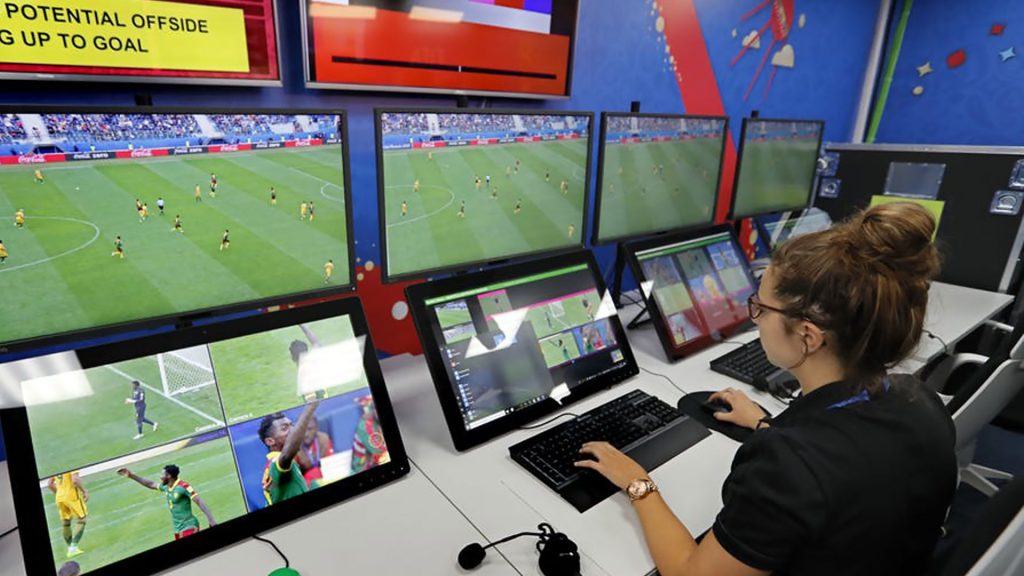
VAR Technology: The Stats: How it Has Changed Goals, Penalties, and Suspensions
Numbers tell the story. Since VAR arrived, referee error rates in the top five European leagues have dropped by 22%, according to BBC Sport. That’s a big deal. But there’s a flip side: each match now drags on with an extra 104 seconds of stoppage time, and plenty of fans say it ruins the momentum.
Penalties are up, too. In the 2024/25 Premier League season, refs gave out 0.38 penalties per game—that’s a jump from 0.27 per game before VAR. Does that mean more fairness or just more drama? Here’s another thing: yellow cards for dissent have also gone up, thanks to players and coaches fuming after decisions get overturned. Players go wild after scoring, only to watch their celebrations wiped out after a couple of agonizing minutes.
But for every angry outburst, someone benefits. VAR has helped some clubs dodge relegation and shifted title races on the slimmest of margins. Think about the heated debates after controversial moments—just check out the fan reaction to incidents like those discussed in Vinicius Faces Football. It’s pure drama. The stats show the game’s fairer, but that doesn’t mean everyone’s happier.