
 SA329 (82.3 ov)
 AUS
AUS ROMA0
ROMA0 CAG0
CAG0 TOR0
TOR0 COMO0
COMO0 ALS3
ALS3 HIL1
HIL1 BRD0
BRD0 PET0
PET0 BAN
BAN WI
WI IND-W
IND-W ZIM-W
ZIM-W GOA
GOA SC Delhi
 Milan
Milan Bologna
 Parma
Parma Udinese
 Venezia
 Inter Milan
 Genoa
Genoa Juventus
 Monza
Monza Napoli
 SAS2
SAS2 LAZ6
LAZ6 AFG177
 ZIM140 (19.1/20 ov, target 178)
 ABH0
ABH0 ALF1
ALF1 PAK110
 SL114/2 (18.1/50 ov, target 111)
 SIKM184
 NAGA187 & 46/4 (34 ov)
 JHK131/4 (47 ov)
 DELHI515/5d
 ODSA194
 SVCS13/0 (5 ov)
 BRODA616
 J & K6/0 (4 ov)
 CHD685/5d
 HP49/0 (14 ov)
 CGR216/8 (95 ov)
 AP231
AP231 HYD193/2 (54 ov)
 PNJB431
 KNTKA297/7 (95 ov)
 TPURA194
 KER101/6 (35 ov)
 BENG350
 MAHA278/9 (100 ov)
 GUJ223
 MNPR364
 ARP111 & 95/2 (36 ov)
 UAE
UAE OMA
OMA AUCK
AUCK CANT
CANT CD
CD ND
ND DEN
DEN QAT
QAT KENYA
KENYA KUW
KUW POA
POA SPR
SPR NAM316/7
 IRE253 (44.5/50 ov, target 317)
 NZ198/3
 IND199/4 (13.2/20 ov, target 199)
 NED371/5
 JAB113 (19.3/20 ov, target 133)
 KAY132/9
 EXC1
EXC1 ADO1
ADO1 SES2
SES2 ESP2
ESP2 BEN1
BEN1 CAT0
CAT0 WIM1
WIM1 ARS2
ARS2 SHO0
SHO0 ALH1
ALH1 UDC0
UDC0 ALM0
ALM0 ALC0
ALC0 LPA0
LPA0 TORD2
TORD2 MIR0
MIR0 FLE
FLE ARS
ARS Gamba Osaka
 Buriram
 Sevilla2
 Osasuna0
 PSG2
PSG2 Lyon0
Lyon0 Mohun Bagan1
 Chennaiyin0
 SAA2
SAA2 EST0
EST0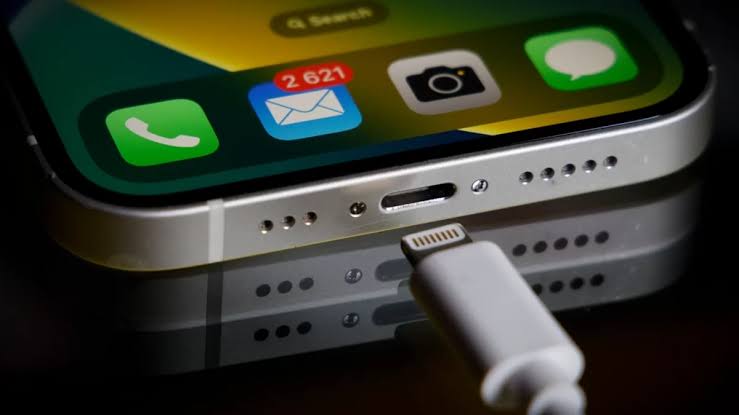
USB Power Delivery 3.1 arrived in May 2021, courtesy of the USB Implementers Forum. It pushed USB-C charging all the way to 240 watts. That’s the moment a phone connector turned into the backbone of a much wider power ecosystem.
Before USB-C, mobile charging leaned hard on proprietary ports, separate cables and brand-specific accessories. The shift started with USB Type-C’s first publication in August 2014. It reached everyday consumers through regulation, Apple’s iPhone 15 series, and newer charging standards.
USB-C Charging Before the Standard
Before USB-C, mobile charging was a mess. Apple used Lightning, plenty of Android phones relied on Micro-USB, and accessories usually served one brand or device family instead of a common hardware standard. So people ended up with drawers full of cables that did similar jobs but couldn’t be swapped around.
The problem went beyond convenience. A cable bought for one phone might not deliver the same charging speed on another device. Older connectors also had a fixed orientation. Reversible USB-C fixed the physical annoyance, sure, but its bigger impact came from pairing one connector with increasingly capable power and data protocols.
That earlier period still shaped buying decisions. A phone’s included charger, cable type and proprietary fast-charging system mattered as much as battery capacity. Our guide to USB-C Charging: Standards explains why the same USB-C shape doesn’t automatically guarantee identical charging performance. For more detail, see Gizmodo.
The USB-C Charging Catalyst
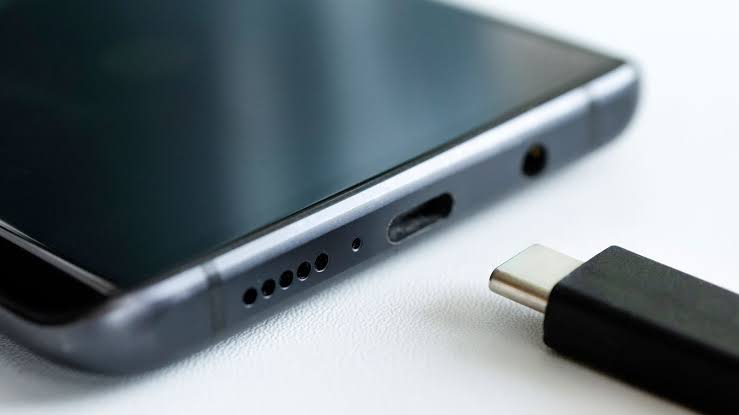
The first generation began when the USB-IF published the USB Type-C standard in August 2014. USB-C brought a reversible connector and a physical design that handled charging, data transfer and display connectivity through a single port. Its importance wasn’t limited to smartphones, either. Laptops, tablets, monitors and accessories could all adopt the same form factor.
The second major step came with USB4, released by the USB-IF in August 2019. USB4 leaned heavily on USB-C, giving the connector a much stronger role in high-speed data and device connectivity. That’s what separated the port from its earlier image as just a Micro-USB replacement.
The third step was USB-PD 3.1 in May 2021. Its support for power delivery up to 240 watts stretched USB-C’s reach far beyond ordinary phone charging, though a device, charger and cable must all support the relevant power level. The same ecosystem could now serve phones, tablets and computers without treating the connector as a brand-specific feature.
USB-C Charging After the Transition
The fourth generation was defined by policy and mass adoption. In October 2022, the European Union passed legislation requiring USB-C as the common charging port for handheld mobile phones and tablets by the end of 2024. The law turned connector compatibility into a market requirement for affected products sold in the EU. Apple then officially moved its iPhone lineup from Lightning to USB-C with the iPhone 15 series, released in September 2023.
That decision made USB-C unavoidable for iPhone buyers and closed much of the gap between Apple’s mobile hardware and the wider accessory market. Accessories such as the Oppo Unveils Charging power bank category benefit from a common cable ecosystem too.
Practically speaking, travel gets simpler and duplicate chargers become less necessary. Consumers still need to check wattage, protocol support and cable capability, though. A USB-C port describes the connector, not every feature available through it. The same distinction matters when comparing Apple devices, Samsung phones and tablets, including the iPhone Mobile OLED generation.
Four Generations Compared
| Generation | Key development | Effect on mobile charging |
|---|---|---|
| Before USB-C | Proprietary and Micro-USB ports | Separate cables and inconsistent compatibility |
| 2014 | USB Type-C published | Reversible connector and broader device support |
| 2019 | USB4 specification released | Stronger high-speed data role for USB-C |
| 2021–2024 | USB-PD 3.1, EU rules and iPhone 15 |


