
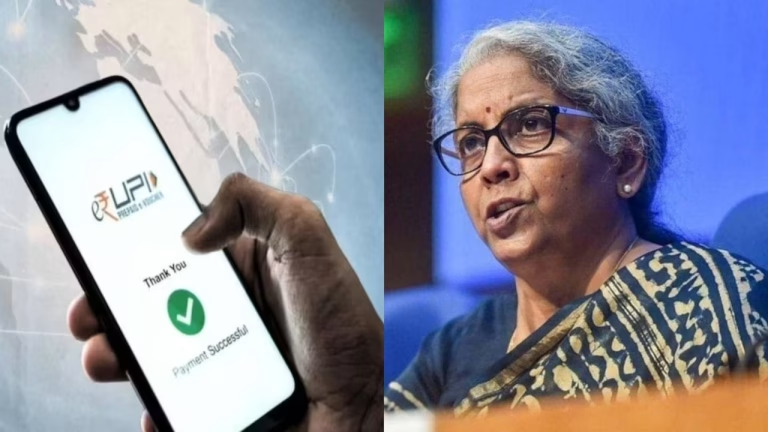
UPI Stays Free: Panic Over, Truth Revealed
Forget the rumors—your UPI transfers are staying 100% free! The government officially confirmed that peer-to-peer payments remain untouched. Any future merchant fees, known as MDR, will only impact large businesses, not everyday users. This isn’t a new tax; it’s just a strategic upgrade to keep our massive digital payment infrastructure secure, lightning-fast, and ready for the future of finance.
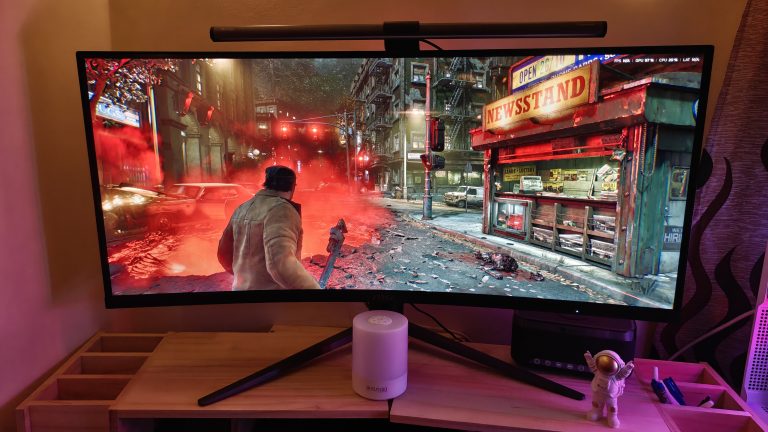
Gears of War: E-Day Is Pure Chaos
Gears of War: E-Day is a technical masterpiece. Playing on an NVIDIA RTX 50 series GPU, the Unreal Engine 5 visuals are breathtakingly brutal. From rain-slicked streets to intense Locust combat, this prequel delivers high-octane action. With seamless DLSS 4.5 and ray tracing, it’s the ultimate PC showcase. Marcus and Dom are back—grittier, sharper, and more cinematic than ever before.

Yami Gautam’s Wild Zombie Dance Party!
Get ready for pure chaos! Yami Gautam Dhar just dropped the second track, Phata Patakha, from her upcoming fantasy entertainer Nayyi Navelli. Ditching tradition, Yami leads a high-energy dance party surrounded by zombies! Composed by GV Prakash Kumar, this eccentric anthem perfectly captures the film’s spooky, festive vibe. Catch this wild spectacle in cinemas worldwide starting October 16, 2026!

Uber Disrupts Catering: A $2.3B Pivot
Uber is officially entering the catering game, shifting from single deliveries to massive bulk logistics. This $2.3 billion strategy targets corporate events, aiming to replace outdated, manual catering brokers. With a nationwide rollout starting November 2, 2026, Uber is upgrading merchant software to handle complex, large-scale orders. It’s a bold move to dominate the future of industrial-scale food distribution.

IPL 2027: Full Head Coach Shake-up
The IPL 2027 coaching lineup is locked! Two massive shifts headline the season: Zaheer Khan takes the helm at CSK, replacing legend Stephen Fleming, while Sourav Ganguly steps up for Delhi Capitals. The remaining eight franchises are banking on stability, keeping their current leaders. With the 20-year milestone approaching, pressure is mounting on these new bosses to dominate the upcoming auction.

Anthropic’s Massive $1,000 Startup Giveaway
Anthropic is supercharging innovation! Qualifying startups can now snag a free year of Claude Team, including five premium seats, plus $1,000 in API credits. This exclusive program targets early-stage teams founded within five years. Beyond the cash, founders get access to Claude Marketplace and virtual office hours with Anthropic’s top engineers. It’s a bold move to win the next generation of developers.
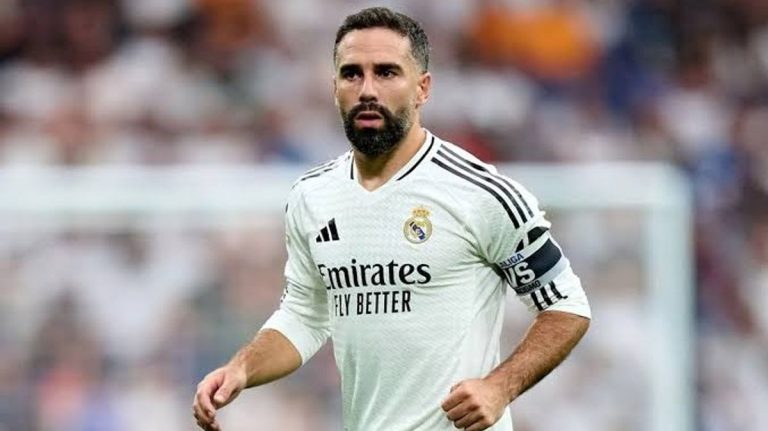
Dani Carvajal Joins Getafe: Here We Go!
The Real Madrid legend is officially heading to Getafe! After a glittering decade at the Bernabéu, Dani Carvajal has passed his medicals and struck a verbal agreement. The deal hinges on final La Liga financial approval. Despite salary cuts, the six-time Champions League winner brings massive experience to the squad. A bold new chapter begins for the Spanish veteran soon!
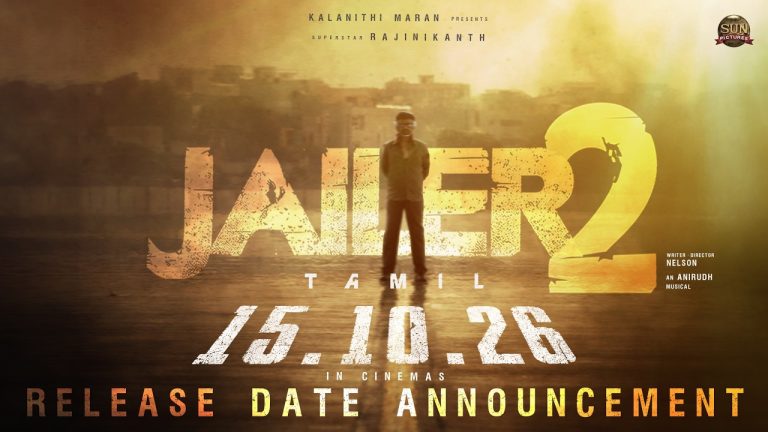
Rajinikanth’s Jailer 2 Roars October 15!
Get ready! Tiger Muthuvel Pandian returns to the big screen on October 15. Director Nelson Dilipkumar and composer Anirudh are back to recreate the magic. With a massive pan-Indian cast including Vidya Balan and Mohanlal, the trailer has already shattered records. Expect explosive action, dark humor, and pure Rajinikanth swag this Dussehra. Don’t miss the cinematic event of the year!
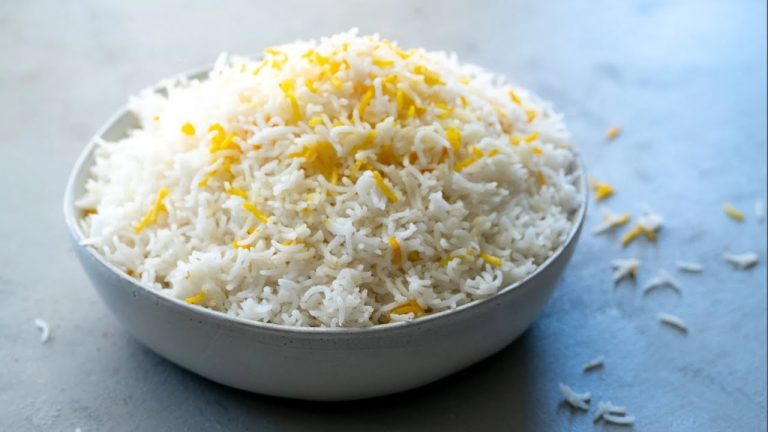
Basmati Crowned World’s Best Rice
India’s legendary Basmati has officially claimed the top spot in TasteAtlas’s global rice rankings! Praised for its distinct floral aroma, nutty flavor, and perfectly fluffy texture, Basmati stands unmatched. With its prestigious Geographical Indication status, this long-grain staple continues to define premium dining worldwide. From biryanis to curries, India’s culinary excellence is dominating the global stage like never before!
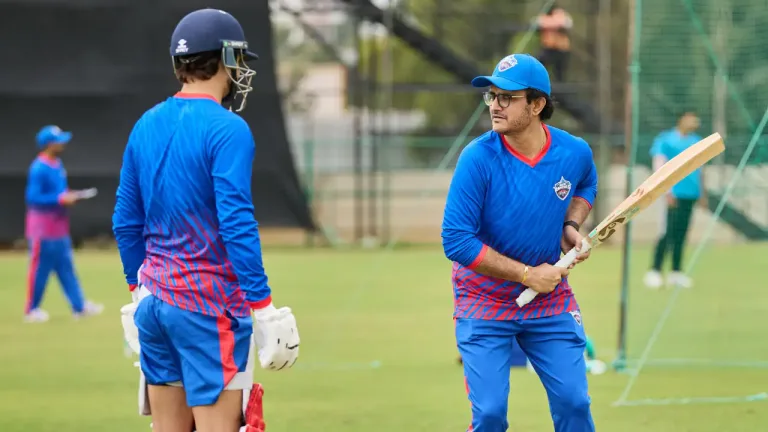
Sourav Ganguly Named Delhi Capitals Head…
Big news for IPL 2027! Sourav Ganguly is the new head coach of Delhi Capitals. The franchise announced the legendary former India captain’s appointment, signaling a fresh era. Ganguly, who has prior experience with the Capitals as an advisor and director, aims to lead the team to their maiden IPL title. Get ready for some ‘Dadagiri’ on the field!

&TEAM Crushes Billboard with “Mark on Me
&TEAM is officially taking over the US! Their latest mini-album, “Mark on Me,” just exploded onto the charts, hitting No. 20 on the Billboard 200—a career-high milestone. They also secured their first-ever No. 1 spot on the World Albums chart. With massive sales and record-breaking momentum, this first Korean comeback proves the group is a global force to watch.