
 SA329 (82.3 ov)
 AUS
AUS BAN
BAN WI
WI IND-W
IND-W ZIM-W
ZIM-W GOA
GOA SC Delhi
 Milan
Milan Bologna
 Parma
Parma Udinese
 Venezia
 Inter Milan
 Genoa
Genoa Juventus
 Monza
Monza Napoli
 ROMA4
ROMA4 CAG2
CAG2 TOR1
TOR1 COMO3
COMO3 SAS2
SAS2 LAZ6
LAZ6 AFG177
 ZIM140 (19.1/20 ov, target 178)
 AUCK
AUCK CANT
CANT CD
CD ND
ND SIKM184
 NAGA187 & 46/4 (34 ov)
 JHK131/4 (47 ov)
 DELHI515/5d
 ODSA194
 SVCS13/0 (5 ov)
 BRODA616
 J & K6/0 (4 ov)
 CHD685/5d
 HP49/0 (14 ov)
 CGR216/8 (95 ov)
 AP231
AP231 HYD193/2 (54 ov)
 PNJB431
 KNTKA297/7 (95 ov)
 TPURA194
 KER101/6 (35 ov)
 BENG350
 UAE
UAE OMA
OMA ENG
ENG SL
SL DEN
DEN QAT
QAT KENYA
KENYA KUW
KUW POA
POA SPR
SPR BRB
BRB VAG
VAG PAK110
 NAM316/7
 IRE253 (44.5/50 ov, target 317)
 NZ198/3
 IND199/4 (13.2/20 ov, target 199)
 NED371/5
 JAB113 (19.3/20 ov, target 133)
 KAY132/9
 Gamba Osaka
 Buriram
 Kashima
 Pohang Steelers
 ABH0
ABH0 ALF1
ALF1 Sevilla2
 Osasuna0
 PSG2
PSG2 Lyon0
Lyon0
On May 23, 2026, the UN Security Council held an emergency session to tackle the growing global demand for regulations on autonomous weapons. This meeting marked a pivotal moment as the international community faced the swift integration of artificial intelligence into warfare.
Since 2014, the Convention on Certain Conventional Weapons (CCW) has been the main platform for discussions about lethal autonomous weapons systems (LAWS). However, increasing diplomatic pressure suggests that non-binding guidelines are falling short in addressing global security threats.
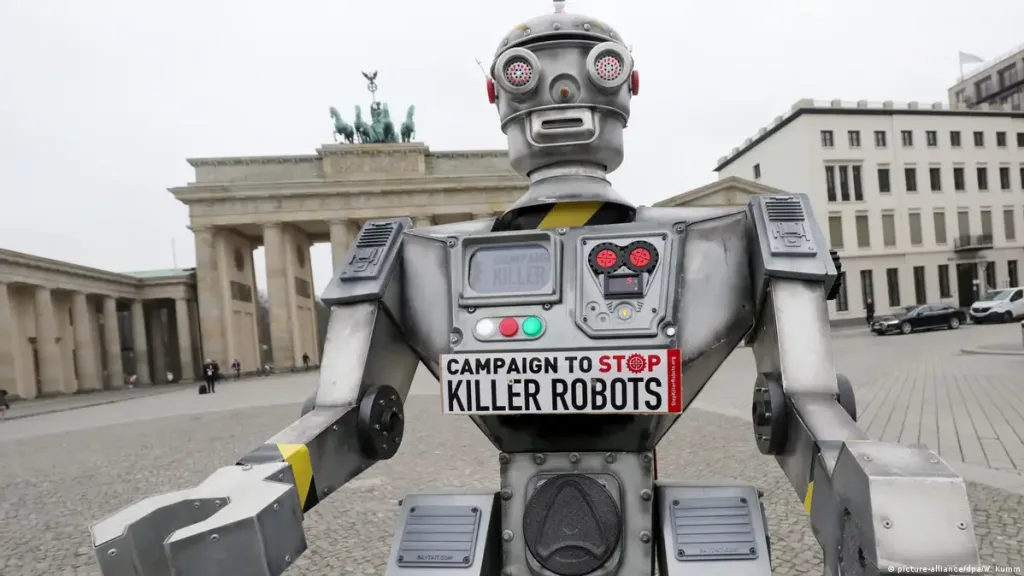
Diplomatic deadlock and the push for binding treaties
The real story isn’t just the emergency session; it’s the glaring divide among major world powers. By 2025, over 30 countries had officially called for a binding international treaty on autonomous weapons.
Yet, the five permanent members of the Security Council, including the United States, Russia, and China, have historically opposed these strict measures. This division complicates the UN Secretary-General António Guterres’s call for a legally binding instrument by 2026, which he made back in 2023.
| Organization/Group | Key Stance | Year Established |
|---|---|---|
| Campaign to Stop Killer Robots | Advocates for a total ban on autonomous weapons | 2013 |
| International Committee of the Red Cross | Prohibition of unpredictable autonomous systems | 2021 |
| Political Declaration on Responsible AI | Endorsed by 47 nations for military AI safety | 2023 |
The tension between tech advances and international humanitarian law is tangible. The Campaign to Stop Killer Robots, representing over 250 organizations in 65 countries, emphasizes that leaving life-and-death decisions to algorithms lacks the human accountability we need. (Source: VentureBeat AI)
On the flip side, supporters of AI in military use argue that these systems can boost precision and minimize collateral damage. The way forward likely involves finding common ground through transparent, verifiable safety standards that exceed simple political statements.
The path to global AI military standards
What’s really missing from this debate is a clear plan for enforcement. Although the 2023 Political Declaration on Responsible Military Use of Artificial Intelligence lays out a framework for 47 nations, it lacks the enforceability of a formal treaty.
The International Committee of the Red Cross (ICRC) has insisted since 2021 that we must prohibit autonomous weapons that behave unpredictably, as international humanitarian law requires. However, defining what “predictability” means poses a significant technical hurdle for lawmakers.
The big question remains: can the Security Council overcome its historical resistance to set clear rules for algorithmic warfare? Attention will likely turn to establishing universal technical standards for “meaningful human control” over AI systems. (Source: OpenAI Blog)
If the Council doesn’t reach a consensus soon, we might see individual nations speeding up their own defensive AI frameworks. This could lead to a fragmented global security environment. All eyes are on whether this emergency session leads to a concrete drafting committee or just another round of diplomatic talks.
FAQs
Why is the UN Security Council involved in AI regulation?
The Security Council is primarily responsible for maintaining international peace and security. As autonomous weapons systems threaten to change how conflicts are fought, the council needs to assess whether these technologies might jeopardize global stability.
What’s the difference between the CCW and a binding treaty?
The CCW serves as a discussion forum for consensus-building, while a binding treaty would create enforceable legal obligations and specific bans on member states regarding the development and use of LAWS.
How do major powers view autonomous weapons?
The permanent members of the Security Council tend to prioritize national security and technological dominance, generally favoring non-binding guidelines over treaties that could limit their military capabilities in a competitive geopolitical arena.
Why did the United Nations Security Council convene an emergency session in 2026 regarding autonomous weapons?
The United Nations Security Council called for this emergency session to address the rapid evolution of lethal autonomous weapons systems and the urgent need for international legal frameworks to prevent potential global instability resulting from AI-driven warfare.
What are the primary goals of the proposed binding treaties for autonomous weapons?
The main goals of the proposed binding treaties are to establish strict accountability standards for military AI applications, ensure meaningful human control over lethal actions, and avert an unchecked global arms race involving autonomous technology.


