 WI-A
 LIONS
 GAL
 VFB
 SHK
 SCP
 ATM
 MUN
 BAR
 AVL
 BODO
 LILL
 FEY
 INT
 LAS
 SLB
 Newcastle0
 Everton1
 Deportivo2
 Osasuna1
 Atalanta0
 Parma3
 Lorient0
 Brest2
 ASSAM135
 KNTKA496/5 (117 ov)
 MEGHA144
 NAGA254 & 73/3 (25 ov)
 TPURA268 & 54/4 (22 ov)
 SAU118
 BENG143
 MAHA207/9 (79 ov)
 ODSA
 JHK258/5 (108 ov)
 CHD49/3 (20 ov)
 TN571/7d
 CGR284
 HYD275/9 (83 ov)
 DELHI299/6 (90 ov)
 SVCS266
 GOA397
 BIHAR107 & 63/3 (22 ov) (f/o)
 GUJ534/9d
 KER74/3 (23 ov)
 HP153
 RAJ78 & 297/4 (87 ov)
 J & K149/0 (50.3 ov)
 PONDI385
 NZ
 IND
 UAE
 OMA
 BAN
 WI
 HH-W
 MR-W
 DOLPH
 WPR
 CD
 AUCK
 NED183/3 (36/50 ov, target 183)
 MS-W109 (18.1/20 ov, target 125)
 PS-W124/9
 LUL98/2 (11.4/20 ov, target 98)
 POA97/9
 BIK174/3
 JAB172/7 (20 ov, target 175)
 CHR129/6
 SPR131/5 (16.4/20 ov, target 130)
 KAY180/6
 KAG181/6 (19.4/20 ov, target 181)
 MAN
 ROMA
 Sassuolo2
 Fiorentina4
 CAHN0
 KYO0
OpenAI has reportedly quadrupled its bug bounty payouts for critical vulnerabilities. The move comes amid a stark warning from the industry: traditional cyber defenses alone can no longer keep up with AI-enabled attacks. Bug bounty programs compensate researchers for responsibly reporting security flaws.
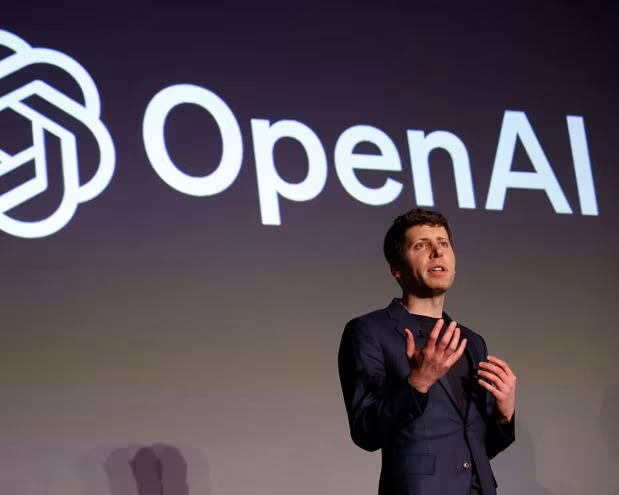
What is OpenAI changing in its bug bounty program?
OpenAI is raising the rewards available through its bug bounty program, with the biggest increase reserved for critical findings. The company plans to reportedly quadruple payouts for critical vulnerabilities, but hasn’t published the new dollar amounts.
Researchers know how much the rewards are increasing, but not what an eligible report will earn. The higher ceiling comes alongside a security partnership. As TechRadar reported, OpenAI is reportedly working with Cathedral Systems to bring researchers from both organizations together to review its AI infrastructure and look for weaknesses. The next question is what that outside scrutiny might uncover.
Why is OpenAI bringing in Cathedral Systems?
The partnership brings an external security team into OpenAI’s efforts to test its infrastructure and strengthen its defenses. Outside researchers can offer fresh methods and perspectives, potentially finding gaps that internal teams haven’t spotted.
The announcement doesn’t say which systems the teams will examine, how they’ll conduct the work, or when it will finish. Cathedral Systems CEO Gavin Kliger called the arrangement an example for the wider industry, pointing to outside security work and using a company’s own models to test its defenses. His statement suggests a broader approach, but doesn’t specify which models or tests OpenAI will use. The reward increase offers individual researchers another way to contribute.
What do the higher rewards mean for security researchers?
The fourfold increase covers critical findings, not every report submitted to the program. OpenAI hasn’t disclosed the new payout figures or said whether other reward categories will change. Researchers therefore don’t have enough information to compare the revised program’s exact financial terms with other vulnerability-reporting opportunities.
A higher maximum reward can encourage researchers to tackle difficult security problems. Clear eligibility rules and a dependable review process also matter to participants. OpenAI’s announcement, as described in the reporting, doesn’t provide new qualification criteria or a revised scope for submissions. For now, researchers should check the program’s current rules before reporting a flaw. The broader question is why AI has become part of the security discussion.
How do AI attack concerns change the security picture?
The supplied reporting ties OpenAI’s reward increase to concerns about AI-driven cyberattacks, but marks that rationale as unconfirmed in the available facts. The concern still matters for security planning: AI could change how attackers find weaknesses or prepare attacks, while defenders might also use AI to detect and fix flaws.
The announcement details provided here identify no specific attack, incident, or capability. Independent testing can help address that uncertainty, but it doesn’t prove traditional controls have failed or that AI systems have caused a particular breach. The partnership and bounty increase are concrete steps; the reasoning behind them needs more public detail. OpenAI’s public updates may provide more context as the company explains its security work. The remaining question is whether the program will reveal enough to assess its impact.
What should readers watch for next?
The key follow-up is whether OpenAI publishes the actual payouts for critical findings, clarifies which systems researchers can test, and explains how the added Cathedral Systems partnership will work. Those details would help researchers assess the opportunity and give customers a clearer view of how the company is securing its AI infrastructure. The supplied account of the announcement includes none of these specifics.
For now, OpenAI has announced a fourfold increase for critical findings and a partnership with outside researchers, but hasn’t specified reward amounts or program scope. “Traditional cyber defenses alone are no longer sufficient” is the warning attached to the story. The evidence available today, however, supports a narrower conclusion: OpenAI is expanding its efforts to find security issues. The next measure of progress will be what the company reveals about the work. The signal is clear: OpenAI wants more eyes on its systems, but researchers still need the payout figures and scope. Source: Techradar
FAQs
How much are OpenAI’s critical bug bounty rewards increasing?
OpenAI said it would quadruple payouts for critical findings. The available announcement details don’t include the new reward amounts.
What is Cathedral Systems doing with OpenAI?
OpenAI and Cathedral Systems collaborate.
Has OpenAI confirmed AI-driven attacks as the reason for the increase?
The supplied facts mark that rationale as unconfirmed. The available reporting links the increase to concerns about AI attacks, but gives no specific incident or attack details. “Traditional cyber defenses alone are no longer sufficient” remains an unverified claim attached to the announcement.
Read Next
- DLSS 5 Lands in Hogwarts Legacy, War Thunder and Where Winds Meet This November
- KARNAGE Sentinel and Sentinel 82: Two Gasket-Mounted Mechanical Keyboards Built for Diwali Upgrades
- The BEST Google Play Redeem Codes as of November 2026
Was this article helpful?
Your feedback directly improves future articles on this site.