Here’s what you need to know: The Last of Us Season 2 didn’t just continue a story — it dismantled its own hero.
The season asks viewers to sit with a man they loved, watch his worst sin catch up with him, and then force them to grieve for the person who made him pay.
Four questions explain why this arc is now the benchmark for character writing on television, and what Indian audiences steeped in character-first cinema can learn from it.
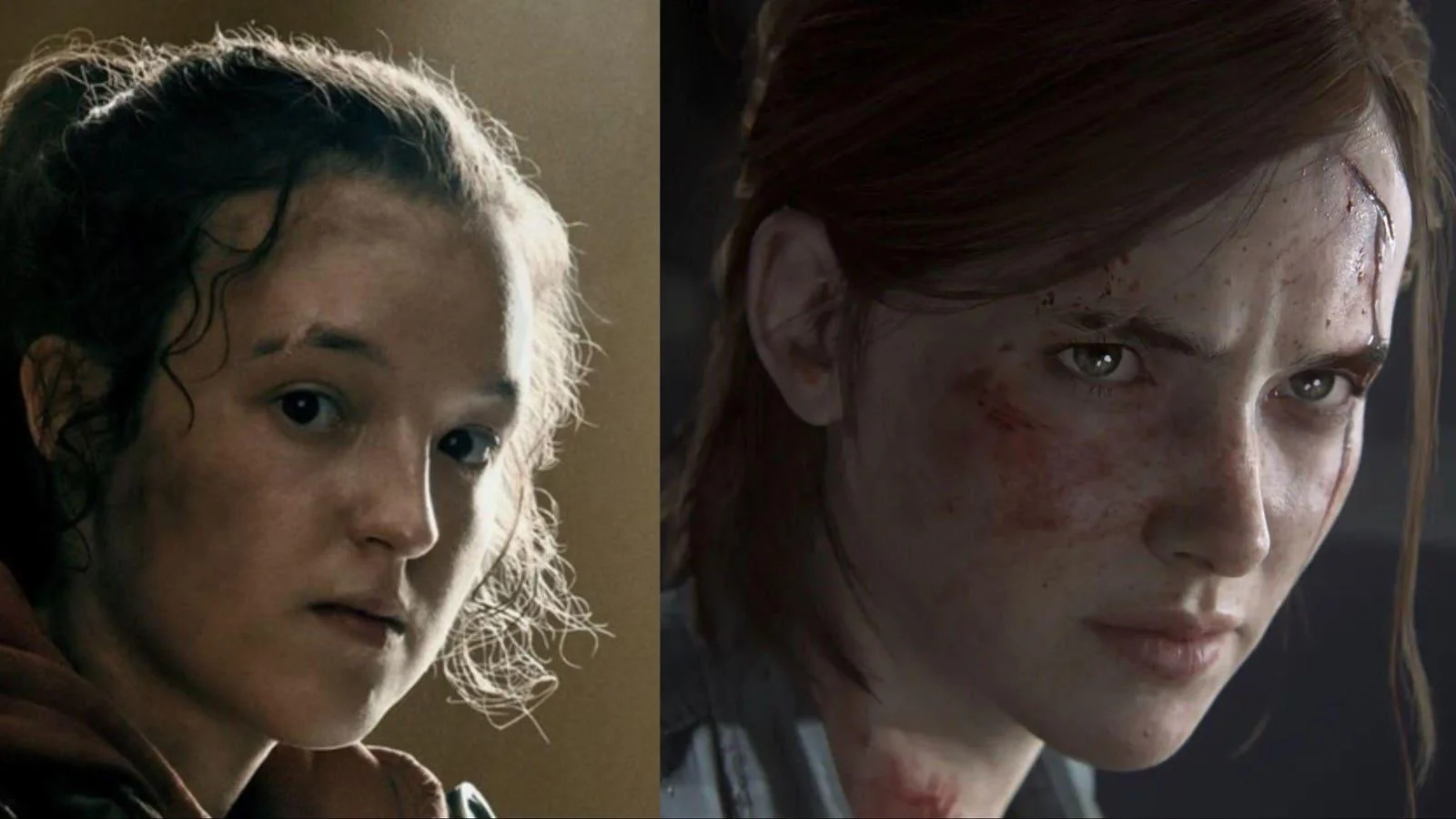
Why Does Joel’s Death Define The Last of Us Season 2?
Joel Miller’s arc ends in the second episode, and that is precisely the point. Season 1 built a father-daughter bond between Joel and Ellie that viewers invested in across nine episodes. Season 2 spends its early hours showing that bond rotting — Ellie has learned what Joel did at the hospital in Salt Lake City, and the trust is gone.
When Abby confronts Joel, the show denies the audience the revenge fantasy they expected. His death is brutal, untelevised in the moment, and framed through Ellie’s helplessness. The message is clear: consequences do not negotiate with star power. Indian viewers who admire how Drishyam 3 Release Date: discussions centre on moral weight rather than spectacle will recognise the same DNA here. That raises the next question.
How Does Ellie’s Revenge Arc Subvert The Hero’s Journey?
Ellie enters Seattle as an action protagonist and leaves it as a cautionary tale. Across her hunt for Abby, the show keeps cutting to the cost — Dina’s pregnancy, Jesse’s death, and Ellie’s own hands doing things she cannot undo. The flashback structure matters: by revealing key moments out of order, the series lets viewers feel Ellie’s certainty before showing how hollow it becomes.
This is character development as erosion, not growth. Compare that to how Drishyam: The Conclusion in the Ajay Devgn franchise treats a protective parent — both stories argue that love, pushed far enough, becomes indistinguishable from destruction. Which brings us to the season’s boldest structural choice.
Why Does Abby Get The Final Word?
Season 2 ends by pivoting to Abby’s perspective, a move taken directly from the source game, The Last of Us Part II. Kaitlyn Dever’s portrayal reframes everything: Abby is not a villain but a daughter avenging her own father — the surgeon Joel killed.
The show essentially asks whether Ellie and Abby are mirror images, and answers yes. This dual-protagonist structure is rare on television because it demands the audience hold two contradictory sympathies at once. It is the same moral symmetry that makes the Drishyam 4 Officially Announced news exciting for fans of layered antagonists. So what should writers and viewers take from all this?
What Can Storytellers Learn From This Arc?
Three lessons stand out. First, kill the untouchable — no character is safe, and safety breeds boredom. Second, let actions cost something on screen; Ellie’s revenge is compelling because every step subtracts. Third, perspective is plot — the same event means opposite things depending on whose eyes we see it through.
Indian cinema’s best character work, from Andhadhun to the Drishyam franchise, proves these principles travel across languages. The craft is universal; only the setting changes.
The bottom line: Joel’s death, Ellie’s hollowing-out, and Abby’s rebuttal form a single three-act argument that revenge is a debt both sides pay. Season 3, expected to continue Abby’s side of the timeline, will test whether viewers can extend the empathy the show keeps demanding. That is the arc’s real achievement — it makes character development the plot itself.
Related Articles
- Drishyam 4 Confirmed: Mohanlal's Iconic Thriller Franchise Isn't Done Yet
- Drishyam 3 Hindi Movie Will Be Released In Theatres On 2 Oct 2026
- Drishyam 3 Bows Out: Mohanlal's Thriller Closes at a Massive Rs 237 Crore Worldwide
FAQs
Is The Last of Us Season 2 based on the game?
Yes. It adapts the first portion of The Last of Us Part II, the 2020 game from Naughty Dog, including its central structural twist. Will Season 3 focus on Abby?
Yes. HBO has confirmed the next season will shift to Abby’s perspective, mirroring the game’s second half. Do I need to play the games first? No. The show explains its context fully, though playing the games deepens appreciation of the adaptations.
Was this article helpful?
Your feedback directly improves future articles on this site.