POR2
 CLT2
 SD1
 SEA2
 UAE
 NED
 PAK
 ENG
 IND-W
 ZIM-W
 GMB
 LES
 MOZ
 ZMB
 Inter Milan
 Fiorentina
 Churchill
 Punjab FC
 NGA
 UGA
 MEX-W23 (9.3/20 ov, target 189)
 ARG-W188/5
 ATM1
 DEP0
 LAZ2
 PAR1
 RCL2
 PAR1
 NZ-A317
 IND-A113 & 75/2 (24.5 ov)
 SYL
 KHU
 MYMS299/4 (87 ov)
 CHATT
 DHA293/3 (84.1 ov)
 RAJ
 RAN320/5 (80 ov)
 BAR
 DEN
 PNG
 NAM321/6
 IRE290 (47.3/50 ov, target 322)
 Athletic
 Getafe
 C Palace
 Newcastle
 Hull
 Brentford
 Liverpool
 Brighton
 Man United
 Bournemouth
 Atalanta
 Frosinone
 RIY2
 TAA1
 CHE0
 TOT2
 VAL1
 VIL2

170 days—that’s the kind of gap a “now it’s playable” milestone can feel like for developers watching internal gates close, and for players watching deadlines blur. On Thursday, August 13, 2026, GamesRadar stated that The Elder Scrolls 6 is now playable, framing it as the first clear signal that Bethesda’s long development stretch is finally moving past the hardest proof-of-life phase (based on Xbox CEO Asha Sharma’s live playthrough comments). A playable build doesn’t mean release is imminent, but it does change what can still go wrong.
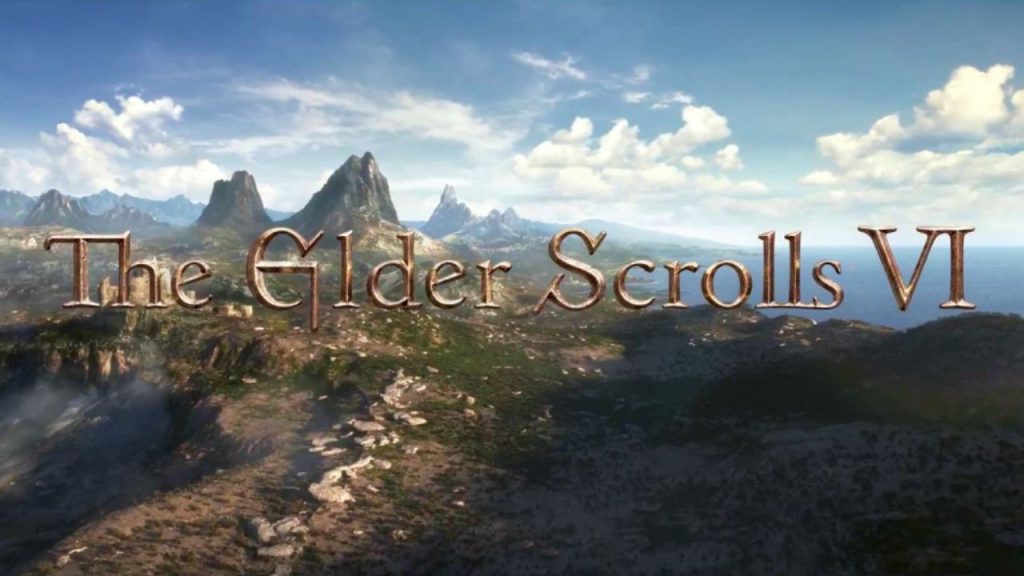
Milestone clarity: what “playable” really means for an Elder Scrolls build
When Bethesda makes an open-world RPG, “playable” is less a marketing word and more an engineering checkpoint. Bethesda is the developer and publisher behind The Elder Scrolls series, so any moment where leadership can see a live slice is usually tied to stability, content streaming, and combat/story pacing that survive more than a tech demo.
Executives touring a milestone build often focus on the most legible parts—world scale, movement feel, quest flow, and a narrative beat that can be shown without spoilers. The GamesRadar write-up connected Asha Sharma’s “live playthrough” remarks and a subtitle tease to a milestone that was likely more than an early prototype, while also pointing to earlier “coming along well” language from Matt Booty.
A “playable” milestone is the shift from feasibility questions to production questions—meaning Bethesda can now measure scope, not just imagine it.
The data Bethesda can finally test: 3 gates that “playable” unlocks
GamesRadar’s angle is important because it reframes the wait. A playable state can unlock measurable verification across systems that previously stayed in the “hope it works” category. That’s where the nightmare starts to end: when bugs stop being abstract and become prioritized backlogs tied to specific vertical slices.
Metric 1: world streaming confidence (distance isn’t the real test—stalls are)
Open worlds don’t just need to be big; they need to stay responsive while the game continuously loads and unloads content. A milestone playable build is typically where teams confirm that traversing across multiple zones doesn’t cause stutter cascades or quest-state desync.
Metric 2: combat and animation cohesion (hit feel beats raw numbers)
Even without release footage, “playable” usually means combat loops can be executed repeatedly and consistently. Leadership demos tend to show a combat sequence that can be re-run—because if inputs, timing windows, or animation transitions break, the demo itself becomes the bug report.
Metric 3: quest scripting that holds under player agency
Elder Scrolls quests aren’t linear for long, and player choice is where many narrative systems fail—especially when branching states persist across saved sessions. A playable checkpoint implies quest logic can run at least through a scripted slice without collapsing under exploration.
| What leadership can verify | Why it matters for “playable” | What it prevents |
|---|---|---|
| World traversal stability | Confirms streaming + AI behavior can run together | “It works in a hallway” syndrome |
| Combat readability | Validates input responsiveness and animation timing | Demo-only combat that fails in real play |
| Quest flow continuity | Ensures scripting survives branching and saves | Narrative systems that break late |
Why this matters more than timing rumors (and the skeptics have a point)
Skeptics will say, correctly, that “playable” isn’t the same as “near release.” GamesRadar itself stressed that this doesn’t mean The Elder Scrolls 6 is just around the corner, and Xbox CEO Asha Sharma’s remarks were framed as a milestone view rather than a countdown announcement. The key difference is production psychology: once you can play it, you can break it in controlled ways and prioritize the fixes that actually determine player experience.
Here’s the tension: people want dates, but milestones reduce risk instead of granting certainty. The length of Bethesda’s development cycles often created “self-inflicted” uncertainty in public perception, but playable progress shifts the narrative from spectacle to schedule realities—internal gates, burn-down targets, and technical debt triage.
To keep expectations grounded, we should treat this moment as a confirmation of status, not a promise of timing. For ecosystem context, industry coverage around large RPG pipelines repeatedly notes that leadership demos usually map to near-term internal validation steps—see how major outlets frame playable milestones in broader game development discussions via TechCrunch (game development milestone coverage) and The Verge (how big builds get validated).
What comes next for players: preparation, not panic
If GamesRadar’s claim holds, Bethesda’s next challenge is converting playable confidence into consistent polish across a wider set of scenarios. That’s when the real work happens: QA coverage expanding from the demo slice into emergent gameplay, quest states, and performance targets across platform configurations.
Forward-looking takeaway: A “playable” The Elder Scrolls 6 milestone doesn’t end the wait—it ends the guessing, and it puts Bethesda back in control of the only metric that matters: whether the RPG stays fun when players don’t follow the script.
Related Articles
FAQs
What does “playable” mean for The Elder Scrolls 6?
“Playable” generally indicates a milestone build where core systems function in a hands-on slice—world traversal, combat, and quest logic—rather than a purely cinematic or tech-only demonstration (as discussed by GamesRadar alongside Xbox leadership comments).
Does playable mean release is soon?
Not necessarily. GamesRadar’s framing emphasized that a playable state is a major step, but it doesn’t automatically translate into an immediate release window.
Why is this being called a “nightmare of its own making”?
The phrase points to the long public uncertainty around Bethesda’s timelines. A playable milestone reduces ambiguity by showing development can run as a real game slice—so the remaining risk becomes measurable production scope.
What should Bethesda fix next after a playable milestone?
Typically: stability across longer play sessions, performance during heavy world streaming, and quest logic resilience under player choice—areas where demos can look fine but full coverage reveals issues.
Was this article helpful?
Your feedback directly improves future articles on this site.