

On May 24, 2026, SpaceX wrapped up the first integrated flight test of the Starship V3. The mission effectively showcased the capabilities of the two-stage fully reusable launch vehicle, which consists of the Super Heavy booster and the Starship upper stage. SpaceX’s starship plays a crucial role in the unfolding narrative of space exploration.
Although the mission encountered minor issues during the final descent, it largely achieved its main goals regarding stage separation and orbital insertion. This performance offers the engineering data needed to improve the impressive 121-meter (397 feet) tall vehicle, which is central to Elon Musk’s long-term vision for interplanetary travel. We can’t overlook the significance of the SpaceX starship in this scenario.
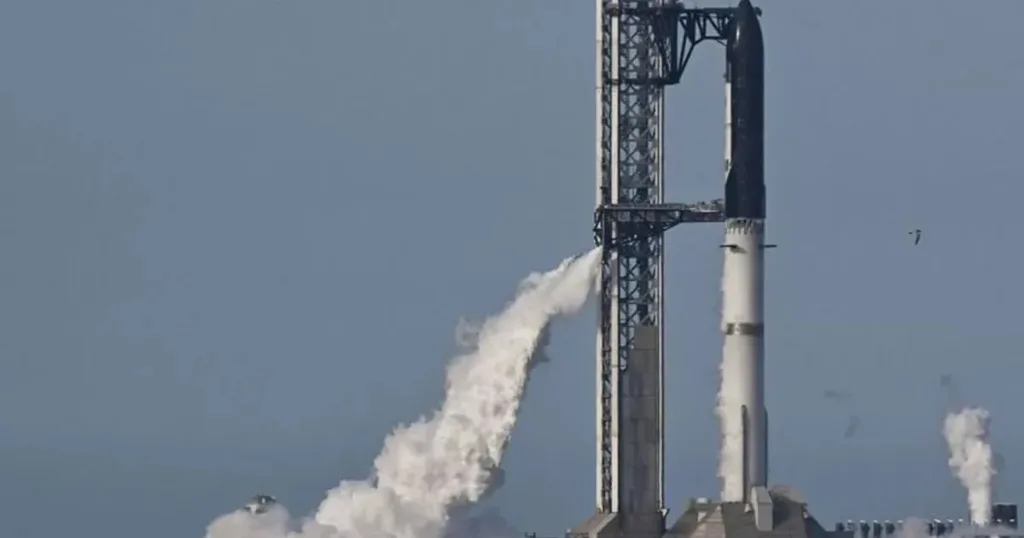
Engineering Evolution of the Starship V3 Architecture
The Starship V3 flight test marks a notable shift from previous versions, featuring enhanced thermal protection systems and upgraded Raptor engine integration. The current situation for SpaceX’s starship is changing rapidly.
Even though the exact engine count for this V3 variant isn’t confirmed, industry analysts watching the Boca Chica launch site suggest that its performance indicates an improved thrust-to-weight ratio compared to the Flight 7 mission from January 2025.
The vehicle’s ability to maintain its structure during the high-dynamic-pressure phase of ascent showcases the progress made since the initial test back in April 2023.
| Metric | Starship V3 (Reported) | Previous Iterations |
|---|---|---|
| Vehicle Height | ~121 Meters | ~121 Meters |
| Stage Configuration | Two-Stage Reusable | Two-Stage Reusable |
| Primary Power | Raptor Engines | Raptor Engines |
| Mission Status | Mostly Successful | Variable Success |
Not everyone believes that the current speed of development is sustainable. Some critics highlight the hardware losses from mid-2025 as evidence of too much risk. Still, the data from this V3 flight indicates that SpaceX is effectively closing the gap between quick prototyping and reliable operations. (Source: TechCrunch)
The key question remains: can this design consistently handle the thermal loads needed for full orbital re-entry without significant repairs?
Impact on Global Launch Capabilities and Future Missions
The successful deployment of the Starship V3 architecture is set to shake up the heavy-lift market. This vehicle can carry up to 100 metric tons to low Earth orbit in its fully reusable setup.
This impressive lift capacity could significantly lower the cost-per-kilogram for satellite constellations and deep-space exploration tools. For perspective, launching such heavy payloads at a fraction of current costs fits well with the broader technological advancements seen in domestic aerospace efforts, like India’s next-gen vehicle programs.
As we look to the future, the spotlight now turns to integrating flight-tested hardware into upcoming lunar and Martian missions. SpaceX needs to dive into the telemetry from this test to check if the thermal shielding can handle faster returns. (Source: The Verge)
If SpaceX stays on this path, we anticipate the next flight will concentrate on precision landing profiles instead of just achieving orbit. The journey to Mars is still long, but the V3 test shows that the program is making real progress.
FAQs
How does the Starship V3 differ from previous models?
The V3 configuration adds advanced thermal protection and optimized Raptor engine control systems to enhance reliability during crucial re-entry and landing phases.
Was the Starship V3 flight test fully successful?
Although the mission met its main ascent and separation goals, it ended with minor issues during the final descent, classifying it as a “mostly successful” test by industry standards.
When will the next Starship flight occur?
SpaceX hasn’t announced an official date yet, but based on the current launch cadence at Starbase, we expect another flight test before the year wraps up.
Did the SpaceX Starship V3 achieve all primary objectives during the first integrated flight test?
The SpaceX Starship V3 accomplished most of its primary objectives, including a successful liftoff and stage separation. SpaceX engineers are still analyzing minor anomalies from the final descent phase to boost future reliability.
How does the success of the SpaceX Starship V3 flight test impact the future of deep-space exploration?
The success of the SpaceX Starship V3 flight test significantly speeds up the development of full reusability. This lowers the cost of orbital missions and creates the necessary infrastructure for NASA and private partners to pursue long-term lunar and Martian exploration goals.


