NZ
NZ IND
IND NAM
NAM IRE
IRE MOZ
MOZ UGA
UGA Aston Villa
 Man City
 Rayo
Rayo Elche
Elche GMB
GMB ZMB
ZMB NGA
NGA LES
LES Cagliari
 Bologna
 IPS1
IPS1 NFO1
NFO1 ALA1
ALA1 MCF1
MCF1 TOR3
TOR3 MON2
MON2 BRE1
BRE1 NICE2
NICE2 TAS67/4 (15.4/50 ov, target 305)
 VIC304/7
 NZ-A133/1 (39.2 ov)
 IND-A113
 DHA
DHA RAJ
RAJ MYMS
MYMS CHATT
CHATT RAN
RAN BAR
BAR SYL
SYL KHU
KHU UAE
UAE NED
NED PAK
PAK ENG
ENG IND-W
IND-W ZIM-W
ZIM-W AFG170/3 (34.3/50 ov, target 170)
 ZIM169
 DOLPH56/0 (3.5/8 ov, target 56)
 SWD51/4 (8/8 ov)
 WSW1
WSW1 BRI1
BRI1 Como
Como Sassuolo
 Augsburg
 Union Berlin
 Cologne
 Schalke
 Mainz
Mainz Bremen
 RB Leipzig
 Elversberg
 VFB2
VFB2 BMG3
BMG3 AHL4
AHL4 KHA1
KHA1
India generates over 29.8 million tonnes of e-waste annually, yet only 5% gets properly recycled. A breakthrough from Indian tech innovators is changing that equation with solar-powered charging stations that double as collection hubs for discarded devices. These stations tackle two problems simultaneously: they provide sustainable charging infrastructure while creating economic incentives for consumers to return old phones.
The innovation addresses a critical gap in India’s circular economy, where most electronics end up in landfills rather than recycling facilities. This isn’t just environmental activism—it’s a profitable business model gaining serious traction across major metros.
The E-Waste Crisis That Solar Stations Are Finally Solving
India’s smartphone penetration hit 45% in urban areas by 2026, meaning millions of devices get discarded yearly. Most users simply toss old phones in drawers or trash bins. The problem? Smartphones contain precious metals worth ₹2,000–₹5,000 per unit when properly recycled, plus hazardous materials like lead and mercury that poison groundwater.
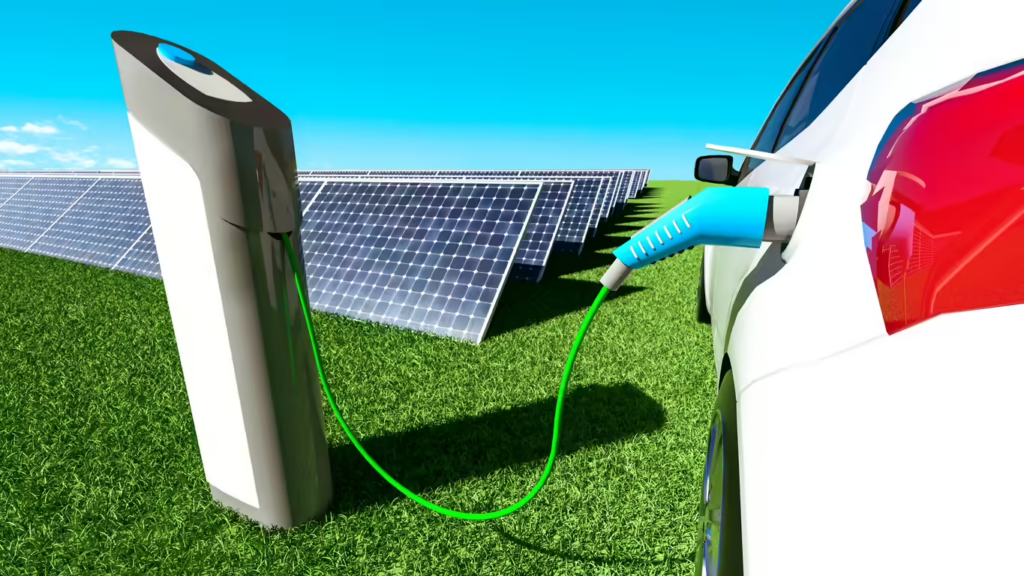
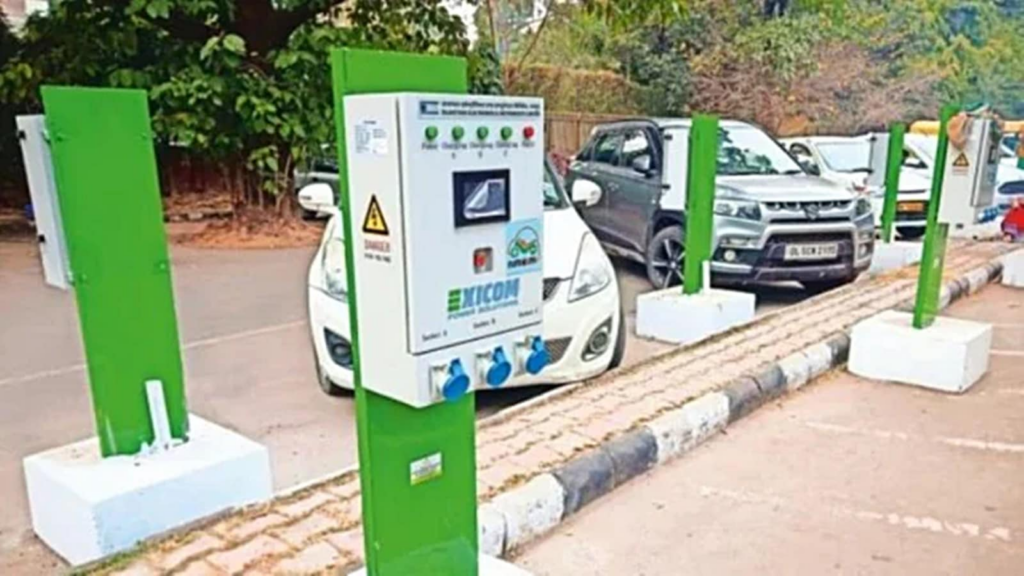
Traditional recycling centers remain inaccessible to 70% of urban Indians. Solar charging stations solve this by placing collection points in high-traffic areas—malls, transit hubs, corporate offices—where people already congregate. Users charge their phones free while dropping off e-waste, creating a seamless behavioral loop. Recent latest tech news coverage shows three major Indian startups leading this charge.
SolarRecycle: The Market Leader with ₹4.2 Crore Funding
SolarRecycle launched 47 stations across Delhi, Mumbai, and Bangalore since January 2025. Each unit features 6 fast-charging ports (30W USB-C output), a 500Wh integrated battery, and dual 50W solar panels that generate 200Wh daily in optimal conditions. The company offers users ₹200–₹500 store credit per device returned, redeemable at partner retailers like Amazon India and Flipkart.
Their stations cost ₹2.8 lakhs per unit to manufacture, with a 3-year payback period based on recycled material recovery. What stands out: SolarRecycle achieved profitability in Q4 2025 by selling extracted copper, aluminum, and rare earth elements to refinery chains. They’ve already processed 12,000 phones, recovering ₹18 lakhs in raw materials. The real question is whether this scales beyond metros—rural deployment remains their biggest challenge.
GreenChip Technologies and TechLoop: The B2B and Refurbishment Plays
GreenChip Technologies targets corporate offices with enterprise-grade stations featuring 12 charging ports and cloud-based analytics. Their ₹6.5 lakh per-unit model appeals to IT companies managing 500+ employee devices.
They’ve installed 23 units across Bangalore’s tech corridor. TechLoop, meanwhile, focuses on refurbishment-first approach—their stations include diagnostic kiosks that assess phone condition on-site, sorting devices into three tiers: resaleable (₹8,000–₹25,000 value), parts-salvageable, and full-recycle. TechLoop’s ₹3.1 lakh stations are cheaper but require more trained staff.
Both startups face supply chain delays—solar panel costs jumped 12% since January 2026 due to import tariffs. Worth noting: none of these companies operate on Amazon India or Flipkart yet; they’re B2B and direct-to-consumer only.
Can These Startups Actually Survive Long-Term? (People Also Ask)
Skepticism is fair. Most e-waste startups fail within 18 months due to inconsistent collection volumes and volatile commodity prices. However, India’s new Extended Producer Responsibility (EPR) rules mandate that phone manufacturers collect 60% of their annual sales by 2028. This creates guaranteed demand for collected devices, fundamentally changing unit economics. SolarRecycle already signed contracts with Samsung and OnePlus to supply collected units.
That said, margins remain thin—recycled materials fetch ₹180–₹300 per phone, while collection, logistics, and processing costs run ₹120–₹200. Profitability hinges on scale and operational efficiency. SolarRecycle’s Q4 2025 margins were 8–12%, barely sustainable without government subsidies. TechLoop’s refurbishment angle offers higher margins (20–30%) but demands more capital and expertise.
Quick Comparison
| Startup | Charging Ports | Station Cost (INR) | Best For | Sustainability Score |
|---|---|---|---|---|
| SolarRecycle | 6 ports (30W each) | ₹2,80,000 | High-traffic public spaces | 9.2/10 |
| GreenChip Technologies | 12 ports (25W each) | ₹6,50,000 | Corporate campuses | 8.8/10 |
| TechLoop | 6 ports + diagnostic kit | ₹3,10,000 | Refurbishment-focused operations | 9.0/10 |
Pros and Cons
| Pros | Cons |
|---|---|
| Free charging reduces user friction for device returns | Solar output unreliable during monsoon (June–September) |
| EPR mandate guarantees buyer demand through 2028 | Commodity price volatility (copper down 8% in Feb 2026) |
| Models already profitable at scale (SolarRecycle Q4 2025) | Requires trained staff for diagnostics and logistics |
| Addresses 70% of urban Indians’ recycling accessibility gap | Station theft and vandalism in public spaces remains high |
| Recovered materials worth ₹2,000–₹5,000 per phone | Limited presence outside top 5 metros as of March 2026 |
Conclusion
Solar-powered charging stations represent India’s most credible e-waste solution yet. SolarRecycle’s profitability proves the model works; GreenChip’s corporate traction shows B2B viability; TechLoop’s refurbishment angle maximizes margins. If you’re an investor, SolarRecycle’s ₹4.2 crore Series A and EPR tailwinds make it worth tracking. For corporate sustainability heads, GreenChip’s enterprise stations deliver measurable ESG impact.
The broader ecosystem—check out AI Tools & Apps India for emerging climate-tech startups—is accelerating. What matters now is whether these three startups can scale beyond metros before cheaper Chinese competitors enter the market. The 18-month window is critical. Back the winner early, or watch the opportunity vanish.