A Department of Government Efficiency (DOGE) operative is facing serious allegations involving Social Security Data, according to reporting from Wired. John Solly worked within DOGE’s restructuring efforts and stands accused of planning to transfer sensitive government databases to a private contractor position at Leidos. The allegations raise urgent questions about data security protocols and government oversight in the current administration.
The Breach Allegation
Social Security Data security made headlines when internal communications revealed Solly’s alleged plan to move classified datasets. He reportedly discussed transferring sensitive information before officially leaving government work for Leidos, a major defense contractor.
Officials claim he wanted to keep access to government systems while working for private industry—a direct violation of federal protocols. Internal whistleblowers flagged the communications in early March 2026, which triggered immediate investigations by federal agencies and cybersecurity oversight boards.
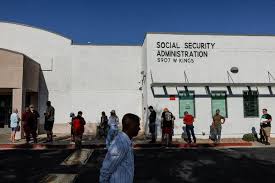
Why Social Security Data Matters
Social Security Data is one of the most sensitive government databases around. Unauthorized access could expose millions of citizens’ personal identifiers, financial records, and benefit information.
Think about it: unlike typical corporate breaches, compromising this database threatens national infrastructure and individual financial security at the same time. As TechCrunch has documented, government data breaches carry much higher stakes than private sector incidents because of their scale and sensitivity.
Government Response and Investigation
Federal investigators launched a formal inquiry into Solly’s conduct within days of the allegations surfacing. The Office of Inspector General and the Department of Justice’s cybercrime division are examining whether security data protocols were deliberately circumvented.
Leidos issued a statement confirming they were notified and are cooperating fully. No evidence suggests actual data transfer occurred, though investigators continue analyzing digital communications and system access logs from the past 18 months.
What Experts Are Saying
Cybersecurity analysts warn this case exposes critical gaps in government contractor vetting. “The real question is whether DOGE’s restructuring created oversight blind spots,” said one former federal IT security director.
The incident highlights how personnel transitions between government and private defense work need stricter monitoring mechanisms than what currently exists.
What Happens Next
Formal charges could arrive within weeks. Congress is demanding briefings on how such a breach came so close to happening.
Federal agencies are reviewing security clearance procedures for DOGE personnel. This case will likely reshape how government handles contractor transitions going forward—making Social Security Data protection a centerpiece of 2026’s cybersecurity policy debates.
People Also Ask
Q: What is Social Security Data exactly?
It includes names, numbers, earnings histories, and benefit information for all U.S. citizens with Social Security accounts. Multiple federal databases store it, and it’s considered critical national infrastructure.
Q: Could citizens’ identities be stolen from this breach?
While no confirmed transfer occurred, if this had been compromised, identity theft risks would be severe. Criminals could apply for loans, file fraudulent tax returns, or claim benefits in victims’ names.
Q: What penalties does Solly face if convicted?
Federal charges could include theft of government property, conspiracy, and violations of the Espionage Act. Sentences could exceed 10 years with substantial fines.
Q: How will this affect government cybersecurity policy?
Expect stricter contractor vetting, enhanced monitoring of personnel transitions, and new protocols specifically protecting technology access during employment changes.