NZ121/3 (15.1/20 ov)
 IND
IND NAM49/2 (10.5/50 ov)
 IRE
IRE MOZ
MOZ UGA
UGA AVL
AVL MNC
MNC RAY
RAY ELC
ELC GMB
GMB ZMB
ZMB NGA
NGA LES
LES CAG
CAG BOL
BOL COMO
COMO SAS
SAS FCA
FCA FCU
FCU Ipswich1
 Nottm Forest1
 Alavés1
 Málaga1
 Torino3
 Monza2
 Brest1
 Nice2
Nice2 WA
WA NSW199/3 (31/50 ov)
 DEN
DEN KUW
KUW KENYA
KENYA QAT
QAT SWD-W
SWD-W EPR-W
EPR-W TTN-W
TTN-W WPR-W
WPR-W NZ-A135/3 (41 ov)
 IND-A113
 DHA
DHA RAJ
RAJ MYMS
MYMS CHATT
CHATT RAN
RAN BAR
BAR SYL
SYL KHU
KHU MEX-W
MEX-W ARG-W
ARG-W UAE
UAE NED
NED PAK
PAK ENG
ENG IND-W
IND-W ZIM-W
ZIM-W AFG170/3 (34.3/50 ov, target 170)
 ZIM169
 TAS137 (25.2/35 ov, target 276)
 VIC304/7 (50 ov)
 CHE0
CHE0 DYI0
DYI0 CHO1
CHO1 QIN0
QIN0 HEN1
HEN1 BEI0
BEI0 LIA1
LIA1 ZHE0
ZHE0 QWC1
QWC1 YUN0
YUN0 SHX0
SHX0 Shanghai Shenh0
 TIG0
TIG0 SHP0
SHP0 WTT1
WTT1 SHT3
SHT3 KOE
KOE S04
S04 M05
M05 SVW
SVW RBL
RBL ELV
ELV Stuttgart2
 Gladbach3
 Al Ahli4
 Al Khaleej1
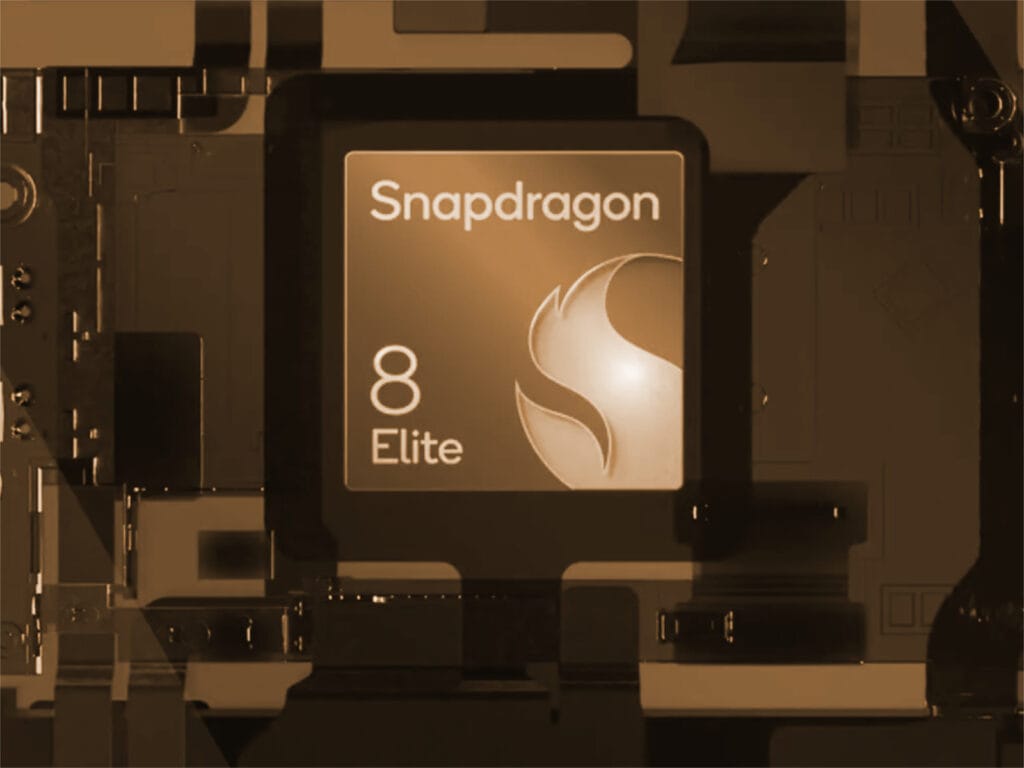
Qualcomm’s upcoming Snapdragon 8 Elite Gen 6 Pro is rumored to achieve an unprecedented minimum 5.00 GHz clock speed for its performance cores, thanks to TSMC’s 2nm N2P manufacturing process and groundbreaking Heat Pass Block cooling technology.
This would make it the first mobile chipset to sustain 5GHz speeds without catastrophic thermal throttling—a game-changer for mobile gaming and AI workloads.
Snapdragon 8 Elite Gen 6 Pro: Rumored Specifications
| Specification | Details | Advantage |
|---|---|---|
| Manufacturing Process | TSMC 2nm N2P | 5% performance boost over N2 |
| Performance Core Clock | Minimum 5.00 GHz (rumored) | Up from 4.61 GHz (Gen 5) |
| CPU Architecture | New Oryon Gen 3 cores | Improved IPC and efficiency |
| CPU Configuration | 2 + 3 + 3 (8-core total) | Enhanced power efficiency |
| Memory Support | LPDDR6 (10.7 Gbps) | Same bandwidth as LPDDR5X+ |
| Storage Support | UFS 5.0 | Next-gen storage speeds |
| GPU | Adreno (next-gen) | More powerful than current gen |
| Cooling Technology | Heat Pass Block (HPB) | Integrated SoC-level thermal solution |
| Estimated Price | Over $300 per unit | $30,000 per 2nm wafer cost |
| Launch Timeline | H2 2026 | Alongside standard Gen 6 |
| Target Devices | Ultra flagships only | Galaxy S27 Ultra, iPhone competitors |
Breaking the 5GHz Barrier: Why It Matters
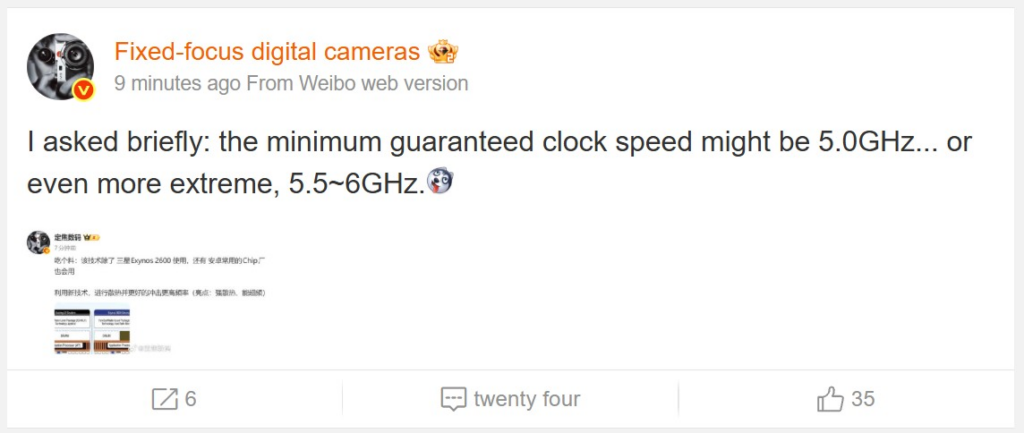
According to prominent Weibo leaker Smart Chip Insider, the Snapdragon 8 Elite Gen 6 Pro could achieve a guaranteed minimum clock speed of 5.00 GHz—a significant leap from the Snapdragon 8 Elite Gen 5’s 4.61 GHz performance cores.
This isn’t just about marketing bragging rights. The mobile SoC sector is reaching a critical inflection point where traditional vapor chamber cooling is showing its limits. As chips push higher frequencies for better single-core and multi-core performance, thermal barriers have become the primary bottleneck, with sustained throttling killing real-world performance.
For mobile gamers and esports enthusiasts following TechnoSports, hitting 5GHz sustainably means consistent frame rates during extended gaming sessions, faster AI processing for in-game enhancements, and zero performance degradation during competitive matches.
Heat Pass Block: The Secret Weapon
The key to sustaining 5GHz speeds lies in Qualcomm’s rumored adoption of Heat Pass Block (HPB) technology—a cooling solution similar to what Samsung is implementing in the Exynos 2600 and 2700 chipsets.
Unlike traditional smartphone cooling that relies on device-level vapor chambers and heat pipes, Heat Pass Block integrates thermal management directly into the SoC design. This means:
- Direct heat extraction from the hottest components (CPU, GPU, NPU)
- Distributed heat dissipation across the entire chip surface
- Reduced thermal density preventing localized hotspots
- Sustained performance under prolonged heavy workloads
The result? The Snapdragon 8 Elite Gen 6 Pro could maintain 5.00 GHz with minimal thermal degradation—critical for intensive tasks like gaming, on-device AI processing, and computational photography.
TSMC’s 2nm N2P Process: More Than Just Marketing
While the standard Snapdragon 8 Elite Gen 6 will use TSMC’s first-generation 2nm N2 process, the Pro variant is rumored to leverage the upgraded N2P node, which offers a 5% performance improvement while maintaining N2’s design rules.
This distinction is crucial. Apple has reportedly pre-purchased over half of TSMC’s N2 wafer supply for the A20 and A20 Pro chips, potentially leaving Qualcomm and MediaTek fighting for scraps. By targeting N2P instead, Qualcomm sidesteps Apple’s supply stranglehold while gaining a performance edge.
The 2nm node brings significant advantages:
- Better power efficiency enabling higher clocks at lower voltages
- Increased transistor density for more capable AI engines
- Reduced leakage current improving battery life
- Higher thermal headroom enabling sustained performance
However, these benefits come at a cost—literally. Each 2nm wafer costs an estimated $30,000, driving the Snapdragon 8 Elite Gen 6 Pro’s expected price above $300 per unit.
The Two-Chip Strategy: Pro vs Standard
Qualcomm is adopting Apple’s playbook by launching two flagship variants in H2 2026:
Snapdragon 8 Elite Gen 6 Pro:
- 5.00 GHz+ performance cores
- LPDDR6 and UFS 5.0 support
- More powerful GPU
- Heat Pass Block cooling
- Reserved for Ultra flagships (Galaxy S27 Ultra, Xiaomi 16 Ultra)
- Price: $300+ per chip
Snapdragon 8 Elite Gen 6 (Standard):
- Lower clock speeds (likely 4.5-4.7 GHz)
- LPDDR5X and UFS 4.0 support
- Standard Adreno GPU
- Traditional cooling methods
- Mainstream flagship adoption
- Price: Similar to current Gen 5 (~$280)
This segmentation means the Pro variant will appear only in top-tier “Ultra” models competing against the iPhone 18 Pro Max and iPhone Fold, while most 2026 flagships will use the standard version to control costs.
Power Consumption Concerns
Previous analysis showed the Snapdragon 8 Elite Gen 5 consumes 61% more power than Apple’s A19 Pro just to match its multi-core performance. With the Gen 6 Pro targeting 5GHz, power consumption could become a serious concern unless the 2nm process and Heat Pass Block deliver dramatic efficiency gains.
For device manufacturers, this creates a dilemma: pay premium prices for a chip that may require expensive cooling solutions and larger batteries, or stick with the standard Gen 6 that offers better battery life and thermal characteristics?
Competition: Apple’s Not Chasing 5GHz
Unlike Qualcomm’s frequency-focused approach, Apple prioritizes architectural efficiency and power management over raw clock speeds. The A20 and A20 Pro are unlikely to target 5.00 GHz, instead focusing on per-core performance through superior microarchitecture.
However, Qualcomm’s marketing advantage is clear. A 5GHz smartphone chip sounds phenomenal on spec sheets, even if real-world benefits are marginal compared to a 4.6 GHz chip with better efficiency.
The Snapdragon X2 Elite Extreme for Windows laptops already advertises peak clocks of 5.00 GHz, suggesting Qualcomm has validated this frequency target across its product portfolio.
The Gaming Angle: What This Means for Mobile Esports
For competitive mobile gamers on TechnoSports, the Snapdragon 8 Elite Gen 6 Pro represents the ultimate mobile gaming chip:
- Sustained 120+ FPS in titles like Genshin Impact, Call of Duty Mobile, and PUBG Mobile
- Zero thermal throttling during tournament play
- Faster AI upscaling for enhanced graphics without performance loss
- Lower input latency thanks to higher processing speeds
- Better emulation performance for PC and console games on mobile
However, the $300+ chip cost will push device prices higher. Expect Pro-equipped phones to start at ₹80,000+ in India, making them exclusive to serious enthusiasts willing to pay for absolute performance.
The Verdict: Power at a Premium
The Snapdragon 8 Elite Gen 6 Pro’s rumored 5.00 GHz clock speeds and Heat Pass Block cooling represent Qualcomm’s most ambitious mobile chip yet. If the leaks prove accurate, it will redefine what’s possible in smartphone performance—provided manufacturers can afford it and cool it effectively.
For most users, the standard Snapdragon 8 Elite Gen 6 will deliver excellent performance without the thermal and cost compromises. But for enthusiasts, content creators, and mobile gamers demanding absolute peak performance, the Pro variant promises an experience no other mobile chip can match.
Stay ahead of mobile chipset developments at TechnoSports—your source for gaming hardware news, mobile processor analysis, and esports tech coverage.
Explore cutting-edge mobile technology at TechnoSports—where performance meets innovation.