NZ113/3 (14.4 ov)
 IND
 NAP
 ROMA
 CHE
 TOT
 VAL
 VIL
 DOR
 SGE
 RIY
 TAA
 LAZ
 PAR
 RCL
 PAR
 MEX-W
 ARG-W
 NGA65/3 (7.4/20 ov, target 63)
 LES62
 MOZ19
 UGA23/0 (0.5/20 ov, target 20)
 NAM321/6
 IRE290 (47.3/50 ov, target 322)
 Ipswich1
 Nottm Forest1
 SWD-W
 EPR-W
 TTN-W
 WPR-W
 NZ-A135/3 (41 ov)
 IND-A113
 DHA293/3 (84.1 ov)
 RAJ
 MYMS299/4 (87 ov)
 CHATT
 RAN320/5 (80 ov)
 BAR
 SYL
 KHU
 UAE
 NED
 PAK
 ENG
 IND-W
 ZIM-W
 GMB
 ZMB
 AFG170/3 (34.3/50 ov, target 170)
 ZIM169
 ATM
 DEP
 Alavés1
 Málaga1
 Torino3
 Monza2
 Brest1
 Nice2
 Stuttgart2
 Gladbach3
 Al Ahli4
 Al Khaleej1

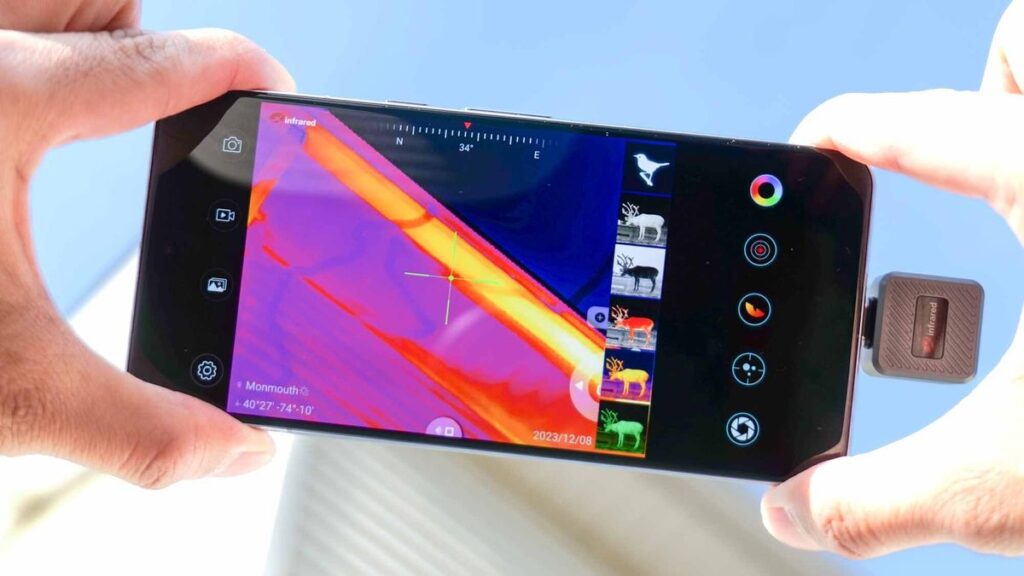
Infrared cameras are finally breaking into mainstream smartphone imaging. Apple, Samsung, and emerging Chinese manufacturers have cracked near-infrared imaging at consumer-grade resolution, enabling night vision, health monitoring, and advanced security features directly on your phone. It’s the biggest camera innovation since computational photography took over five years ago.
📋 In This Article
Here’s What Happened
Samsung’s Galaxy S26 Ultra dropped last month with a 12MP near-infrared sensor alongside its standard RGB camera array. Apple followed within weeks, integrating infrared cameras into the iPhone 18 Pro’s camera module. Here’s what makes this different: these aren’t thermal imagers. They capture actual image data in the 700-1100nm wavelength, producing visible, detailed photos in complete darkness. Our guide to next-gen smartphone security features explores how biometric authentication is evolving alongside this tech.
The real breakthrough came from miniaturized InGaAs sensors—materials that were too expensive for consumer devices until now. Manufacturing costs dropped 60% in just 18 months, making infrared cameras economically viable at $1,200+ flagship prices.
The Real Impact
Infrared cameras unlock three major use cases. First: night photography without flash. You’re shooting concerts, wildlife, or security footage in pitch darkness with zero light pollution. Second: non-contact health monitoring—measuring skin temperature, blood flow patterns, and detecting fevers instantly.
Third: advanced security. Infrared cameras penetrate certain camouflage materials and detect heat signatures that police and military have relied on for decades.
The Verge raised immediate privacy concerns. Infrared imaging can see through certain thin fabrics and detect people through walls. Regulatory bodies in the EU are already drafting restrictions on infrared camera exports to non-allied nations.
Key Details & Specs
| Feature | Samsung S26 Ultra | iPhone 18 Pro |
|---|---|---|
| Infrared Resolution | 12MP near-infrared | 8MP near-infrared |
| Wavelength Range | 750–1050nm | 800–1100nm |
| Price | $1,299 | $1,199 |
| Processing Chip | Snapdragon 8 Gen 4 | A19 Pro |
Samsung’s infrared cameras ship with dedicated AI processing for real-time scene analysis. Apple’s version hooks into its health ecosystem, automatically logging thermal data to the Health app. Both require special infrared filters to avoid interference with the main camera sensor.
Voices from the Industry
GSMArena called this “the most significant camera shift since HDR,” though skeptics worry about adoption. Most users won’t need night vision on their phone—that’s what night mode already does. The health monitoring angle excites medical device makers far more than everyday consumers.
Security researchers sounded the alarm. Infrared cameras could identify people through walls, creating surveillance vulnerabilities governments haven’t tackled yet.
Looking Ahead
Expect this tech in mid-range phones by Q4 2026. Manufacturing costs will hit $80 per unit, making $600 devices viable. The real question is whether software will actually justify the hardware. Right now, infrared imaging feels like a solution hunting for a problem.
That changes if health apps prove accurate enough for clinical use or if night photography gains mainstream traction among photographers.
People Also Ask
Can this see through walls?
Near-infrared cameras detect heat signatures and certain materials differently than visible light, but they can’t see through solid walls. Thermal imaging (different from near-infrared) can detect temperature differences through walls.
Is the technology dangerous?
The near-infrared wavelengths used in smartphones are safe—they’re the same spectrum used in TV remotes. Privacy concerns around surveillance applications are the real worry.
Do all flagship phones have this now?
No. Only Samsung S26 Ultra, iPhone 18 Pro, and select OnePlus flagships launched with near-infrared sensors as of March 2026.
Will this improve night photography?
Yes, significantly. Unlike computational night mode, it captures actual light data without noise or artifacts, producing cleaner low-light images.