Alexa devices reportedly stay ready by buffering audio locally, not by recording constantly. These smart speakers reportedly wait for a specific wake word before sending data. Even the Echo Show 10 (3rd Generation), launched on April 14, 2021, with an official retail
Why does the hardware never stop capturing audio in Alexa Devices?
Your smart speaker reportedly acts as an acoustic sensor, constantly checking sound waves for specific phonetic patterns. Rather than uploading raw conversations to remote servers, it uses local digital signal processors to filter ambient noise in real time.
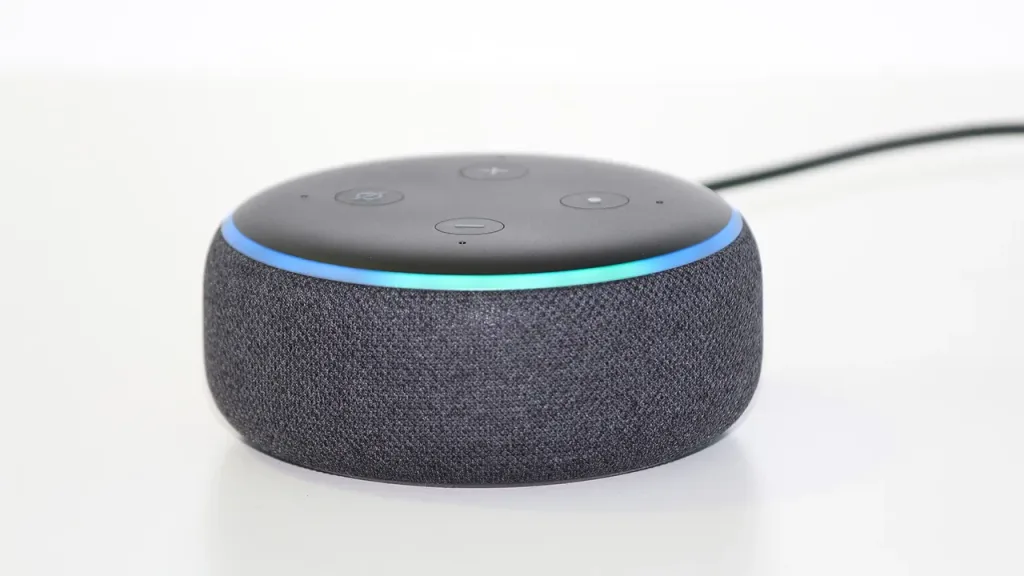
That approach keeps everyday chatter and TV dialogue private until the device detects a trigger phrase. You can see how this silent monitoring works by looking at newer models like the What are the core specifications driving local processing?
On-device machine learning inference plays a key role in efficient wake-word processing. The latest smart speakers include specialized neural processors that handle complex acoustic analysis within the hardware itself. These specifications show how silicon advances reduce reliance on remote servers.
| Component | Function | Deployment Timeline |
|---|---|---|
| Digital Signal Processor | Filters ambient noise locally | standard across generations |
| AZ2 Neural Edge Processor | Runs on-device ML inference | Released October 20, 2022 |
| Automatic Speech Recognition | Converts audio to text | cloud-based deployment |
| Natural Language Understanding | Interprets command intent | cloud-based deployment |
Take the Echo Dot (5th Generation), released on October 20, 2022. It features an AZ2 Neural Edge processor built for on-device machine learning inference. This shift to specialized silicon cuts bandwidth use while accele
How have privacy safeguards evolved since the initial launch?
Consumer concern about microphone-equipped gadgets led manufacturers to add physical controls directly to their devices. Users can mute the internal microphones with dedicated hardware buttons, cutting off audio at its source. That mechanical override offers immediate reassurance, with no software updates or account changes needed.
Amazon launched its first Echo device, powered by the original Alexa voice service, on November 6, 2014. Those early devices lacked physical microphone cutoffs, so users had to rely on digital settings. Newer models balance convenience with clear user control over data collection. As voice features spread through the ecosystem, tracking gets more complicated.
What is the bottom line regarding constant monitoring?
The idea that smart speakers are always eavesdropping comes from a misunderstanding of how modern voice assistants process sound. Your home assistant detects acoustic vibrations continuously, but only looks for meaning after a specific linguistic marker appears.
All other environmental audio stays in temporary memory buffers, where it’s automatically overwritten. Voice features in lifestyle gadgets, including the Lumio Aura Amazon smart lamp, extend this selective listening beyond traditional smart speakers. Users remain in control of whether their environment is recorded or filtered locally. Smart speakers listen selectively, not constantly.
FAQs
Do Alexa devices record everything you say?
The text says Alexa devices check for wake words using local processing rather than continuously sending raw conversations to remote servers. Audio is kept in temporary memory buffers and automatically overwritten until a trigger phrase appears.
How do Alexa devices listen for a wake word?
They use local digital signal processors to filter ambient noise and check sound for specific phonetic patterns. Some newer models also use neural processors for on-device machine learning inference.
Can I turn off the microphone on an Alexa device?
Newer models have dedicated hardware buttons that mute the internal microphones, cutting off audio at its source.
How does the AZ2 Neural Edge processor differ from standard cloud AI?
Local inference chips analyze acoustic patterns while using far less power than remote server clusters. They work without an internet connection and prioritize immediate phonetic matching over complex language modeling.
Was this article helpful?
Your feedback directly improves future articles on this site.