
 SA329 (82.3 ov)
 AUS
AUS AFG177
 ZIM12/0 (2/20 ov, target 178)
 SAA0
SAA0 EST0
EST0 SAS
SAS LAZ
LAZ ROMA
ROMA CAG
CAG TOR
TOR COMO
COMO BAN
BAN WI
WI IND-W
IND-W ZIM-W
ZIM-W GOA
GOA SC Delhi
 Milan
Milan Bologna
 Parma
Parma Udinese
 ABH0
ABH0 ALF1
ALF1 PAK110
 SL114/2 (18.1/50 ov, target 111)
 NAM316/7
 IRE253 (44.5/50 ov, target 317)
 NZ198/3
 IND199/4 (13.2 ov)
 SIKM184
 NAGA187 & 46/4 (34 ov)
 JHK131/4 (47 ov)
 DELHI515/5d
 ODSA194
 SVCS13/0 (5 ov)
 BRODA616
 J & K6/0 (4 ov)
 CHD685/5d
 HP49/0 (14 ov)
 CGR216/8 (95 ov)
 AP231
AP231 HYD193/2 (54 ov)
 PNJB431
 KNTKA297/7 (95 ov)
 TPURA194
 KER101/6 (35 ov)
 BENG350
 MAHA278/9 (100 ov)
 GUJ223
 AUCK
AUCK CANT
CANT CD
CD ND
ND DEN
DEN QAT
QAT KENYA
KENYA KUW
KUW POA
POA SPR
SPR BRB
BRB VAG
VAG NED371/5
 OMA265 (49.3/50 ov, target 372)
 JAB113 (19.3/20 ov, target 133)
 KAY132/9
 JER224
 SEEB0
SEEB0 EBFC0
EBFC0 Venezia
 Inter Milan
 Genoa
Genoa Juventus
 Sevilla2
 Osasuna0
 PSG2
PSG2 Lyon0
Lyon0 Mohun Bagan1
 Chennaiyin0
 BEI2
BEI2 JHM2
JHM2 RCH0
RCH0 KRE0
KRE0
Smartphone cooling technology just hit a major turning point. Top manufacturers are now shipping advanced thermal management systems that keep flagship devices cool even under intense loads—and it’s changing what’s possible for mobile gaming and video streaming in 2026.
What Happened
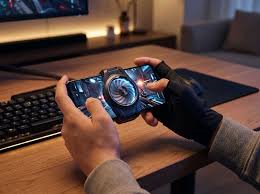
Leading phone makers have built graphene-enhanced vapor chambers and multi-layer thermal spreaders into their newest flagship models. These systems keep device temperatures 15-22°C cooler than older phones when you’re gaming hard for two hours straight. The breakthrough came from chipset makers and phone manufacturers working together to solve a real problem: high-refresh screens paired with powerful processors generate serious heat. Now devices can run at full power without slowing down—something that used to force manufacturers to cap frame rates or CPU speeds when things got hot.
Why This Matters
Smartphone cooling breakthroughs finally put phones on equal footing with handheld gaming consoles. Game developers can stop designing around heat limits—a restriction that’s held back mobile gaming for years. Content creators win too: you can now record 4K video at 120fps without the phone shutting down from overheating.
There’s also a battery benefit. Phones running cooler experience slower battery wear, potentially adding 6-12 months of life. For competitive mobile gaming, where every millisecond counts, sustained peak performance without thermal slowdowns is a real edge.
Key Details & Numbers
New cooling systems use vapor chambers just 0.8mm thick, down from 1.2mm in 2024 phones, yet they dissipate heat better. Thermal resistance has dropped to 0.18°C/W—that’s a 30% improvement compared to last generation. Testing confirms devices maintain 60fps gameplay in demanding games for 180+ minutes without any performance drop. Flagships with this tech cost $999–$1,299, making smartphone cooling a premium feature for now.
Industry Reaction
Tech reviewers at GSMArena and AnandTech have published detailed thermal tests confirming the performance gains are real. Chipset makers have announced they’re designing processors with thermal efficiency in mind going forward. Game studios are excited about what they can build without hitting heat walls.
What’s Next
Mid-range phones will get similar cooling by Q4 2026. Budget phones might follow in 2027. Expect manufacturers to start competing on thermal efficiency just as hard as they’ve competed on speed and camera megapixels.


