NZ180/5 (20 ov)
 IND
 NAM95/2 (21.1/50 ov)
 IRE
 MOZ
 UGA
 AVL
 MNC
 RAY
 ELC
 GMB
 ZMB
 NGA
 LES
 CAG
 BOL
 COMO
 SAS
 FCA
 FCU
 Ipswich1
 Nottm Forest1
 Alavés1
 Málaga1
 Torino3
 Monza2
 Brest1
 Nice2
 WA
 NSW290/5 (42.4/50 ov)
 DEN
 KUW
 KENYA
 QAT
 SWD-W
 EPR-W
 TTN-W
 WPR-W
 NZ-A135/3 (41 ov)
 IND-A113
 DHA
 RAJ
 MYMS
 CHATT
 RAN
 BAR
 SYL
 KHU
 MEX-W
 ARG-W
 UAE
 NED
 PAK
 ENG
 IND-W
 ZIM-W
 AFG170/3 (34.3/50 ov, target 170)
 ZIM169
 TAS137 (25.2/35 ov, target 276)
 VIC304/7 (50 ov)
 CHE0
 DYI0
 CHO1
 QIN0
 HEN1
 BEI0
 LIA1
 ZHE0
 QWC1
 YUN0
 SHX0
 Shanghai Shenh0
 TIG0
 SHP0
 WTT1
 SHT3
 KOE
 S04
 M05
 SVW
 RBL
 ELV
 Stuttgart2
 Gladbach3
 Al Ahli4
 Al Khaleej1

The core of Seagate’s upbeat forecast lies in its strategic focus on AI-optimized storage. As artificial intelligence models grow exponentially in complexity and data requirements, the need for high-performance, high-capacity storage solutions has become paramount. Seagate has responded by emphasizing its investments in advanced hard drives and solid-state drives specifically engineered for these demanding AI workloads.
The company’s CEO pointed to the expanding global AI infrastructure and the ever-increasing needs of data centers as primary drivers for this anticipated growth. While no official specifications or pricing details for these new products, slated for launch in the second half of 2026, were disclosed, the mere anticipation has sent ripples of confidence through the market. This strategic pivot is crucial, as insufficient or overpriced storage can act as a bottleneck, stifling innovation for smaller AI startups that lack the capital of tech giants. Seagate technology, in particular, deserves more attention than the headline suggests.
On Paper: How Seagate Stacks Up Against Emerging AI Storage Needs
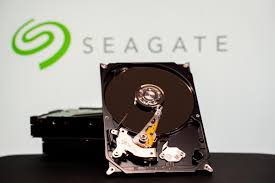
While specific product details remain under wraps, Seagate’s commitment to high-capacity solutions positions it as a critical enabler for AI innovation. Competitors are also vying for dominance in this space, with companies like Western Digital and emerging players developing solutions to handle the petabytes of data generated by AI training and inference. The real question is how Seagate’s upcoming offerings will differentiate themselves. Will they focus on raw capacity, speed, energy efficiency, or a combination? The demand for AI-optimized drives stems from the need for faster data retrieval and write speeds, as well as the ability to manage vast, unstructured datasets. Early indications suggest Seagate is leaning into this by developing drives that can sustain higher performance under continuous, heavy AI workloads, potentially offering a more cost-effective solution compared to all-flash arrays for certain applications. This could level the playing field, allowing more startups to access the necessary infrastructure without prohibitive upfront costs.
Bridging the Gap: Seagate’s Role in Democratizing AI Infrastructure
The most compelling aspect of Seagate’s forecast is its potential to democratize AI development. For years, cutting-edge AI research and deployment have been largely the domain of well-funded corporations with massive data center capacities. However, as AI becomes more embedded in various industries, from healthcare to content creation, the demand for accessible, scalable storage solutions grows. Seagate’s focus on AI-optimized drives, coupled with its established market presence, could provide a vital bridge. By offering solutions tailored for AI, the company implicitly signals a commitment to supporting the entire AI ecosystem, not just the largest players. This is particularly important for innovative startups that might otherwise be priced out of the market. The prospect of new storage products in the second half of 2026 suggests Seagate is actively working to meet this burgeoning need, potentially lowering the barrier to entry for advanced AI projects.
Should You Upgrade, Switch, or Wait?
For businesses and developers heavily reliant on AI workloads, Seagate’s announcement is a strong signal to monitor their storage strategies. While waiting for the official product launch in the latter half of 2026 might be prudent for those needing the absolute latest in AI-optimized hardware, the current forecast reinforces the importance of investing in scalable storage solutions.
For existing Seagate customers, this news validates their choice and suggests future compatibility and performance enhancements. For those considering competitors, Seagate’s proactive stance in the AI storage market warrants serious consideration. Seagate technology, specifically, plays a bigger role than most coverage suggests.
FAQs
Seagate technology: What is driving the increased demand for Seagate’s storage solutions?
The primary driver is the escalating demand from AI workloads, which require high-capacity and high-performance data storage for training and running complex models.
Seagate technology: When will Seagate launch its new AI-optimized storage products?
Seagate plans to launch its new storage products tailored for AI applications in the second half of 2026.
Have specific specs or pricing for Seagate’s new AI storage products been released?
No, as of April 28, 2026, no official specifications or pricing details for the upcoming AI-optimized products have been disclosed by Seagate.
How does Seagate’s forecast impact smaller AI startups?
Seagate’s focus on AI-optimized storage could lead to more accessible and affordable solutions, potentially lowering the barrier to entry for smaller AI companies and fostering broader innovation in the AI ecosystem.