
 MEX-W
 ARG-W
 TSG0
 B040
 CEL0
 BET0
 Goztepe2
 Çorum FK0
 UDI
 MIL
 BAR
 RMA
 Mohun Bagan
 Chennaiyin
 PSG
 Lyon
 Sevilla
 Osasuna
 NED
 OMA
 NZ
 IND
 AZ
 TWE
 NGA148
 UGA147/9 (20 ov, target 149)
 ATH4
 GET0
 INT2
 FIO1
 CHU2
 PFC3
 LIMWn
 NW-W
 NCWmn
 FsWm
 NWEST22/3 (3.1/20 ov, target 181)
 NCAPE180/3
 BOL137/9 (20 ov)
 TITNS137/8
 NZ-A317
 IND-A113 & 106/2 (36 ov)
 SYL280/2 (84 ov)
 KHU
 MYMS465/7d
 CHATT134/2 (40 ov)
 DHA521
 RAJ103/6 (26 ov)
 RAN402
 BAR179/3 (56.1 ov)
 BRB
 MOW
 TOK
 MIS
 JER
 KUW
 PNG
 QAT
 SIKM
 NAGA
 GMB112/9
 LES109 (19.5/20 ov, target 113)
 MOZ110/7 (19/20 ov, target 110)
 ZMB109/9
 IND-W328/6
 ZIM-W207 (48.5/50 ov, target 329)
 PAK243/9 (47.1/50 ov, target 242)
 ENG241
 UAE244/8
 CHI0
 ESP2
 MEX0
 AUS0
 SCP
 ACV
 LAFC
 LA
 Atlético1
 Deportivo0
 Lazio2
 Parma1
 Lens2
 Paris FC1
On July 7, 2026, Savi, a smart AI app, is on a mission to help people identify and deal with AI-generated scam calls. One of the most concerning types of scams includes voice-cloning kidnapping ransom schemes, which have become more common. With the ability to replicate a person’s voice using just a few seconds of audio, the risk of fraud has grown, making Savi’s debut both timely and essential.
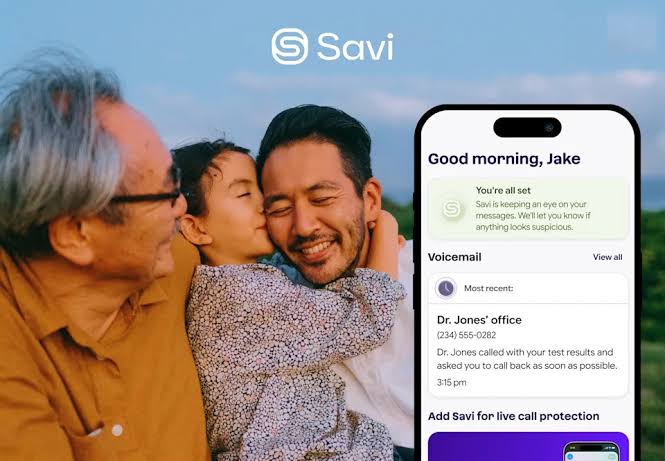
Key Details About Savi and the Growing Threat of AI Scams
Savi uses cutting-edge AI technology to spot and reduce the risk of voice cloning scams. The Federal Trade Commission (FTC) has reported a significant increase in these fraud cases, labeling them as “virtual kidnapping” scams. In 2023, consumers lost over $10 billion to fraud, highlighting that phone scams play a major role in this troubling trend.
The FBI has also raised alarms about the dangers posed by AI voice-cloning scams, noting that these fraudulent activities have been an issue since at least 2023. Research shows that AI voice cloning can imitate someone’s voice in as little as three seconds of audio, which raises serious concerns about personal security.
While Savi’s launch date, pricing, and technical details are still unconfirmed, the app promises to be a vital resource for consumers trying to guard against these realistic scams. It aims to teach users how to spot potential scams and offer practical steps to take if they encounter one.
Context: The Rise of Voice Cloning Scams
The rise of AI technologies has changed many sectors, but it’s also opened the door to more sophisticated scams. The FTC has recognized voice cloning scams as an emerging fraud category, prompting them to take action. Back in February 2024, the Federal Communications Commission (FCC) made AI-generated voice calls illegal under the Telephone Consumer Protection Act (TCPA). For more detail, see OpenAI Blog.
This regulatory move reflects the urgent need to fight these fraudulent activities. The consequences can be severe, especially when threats or ransom demands are involved. Many consumers don’t realize the risks that voice cloning technologies pose, making apps like Savi crucial for raising awareness and offering protective measures.
The stakes are high; as technology progresses, so do the tactics used by scammers. Introducing apps aimed at combating these threats is a direct response to the alarming fraud rates reported by organizations like the FTC and FBI.
What’s Next for Savi and Consumer Protection
As technology keeps evolving, Savi is set to be a key player in the ongoing fight against AI scams. The future of the app will likely include improvements in its detection abilities and initiatives to educate users. By empowering consumers with knowledge and tools, Savi aims to foster a more informed public capable of recognizing and responding to AI-generated threats. For more detail, see VentureBeat AI.
Future developments for the app may also involve partnerships with law enforcement to streamline reporting processes for scam incidents, enhancing consumer safety. With growing interest in the app, there’s hope that Savi can significantly reduce the number of victims targeted by these sophisticated scams.
As of now, we’re still waiting for specific details about Savi’s operational model and user experience. However, it’s clear that its potential impact on consumer safety is significant. As the threat landscape changes, so will the tools we need to combat it.
FAQs
What is Savi’s primary function?
Savi is designed to help consumers detect and respond to AI-generated scam calls, including voice-cloning kidnapping ransom schemes.
How do voice cloning scams work?
Voice cloning scams can replicate a person’s voice using just three seconds of audio, making them alarmingly realistic and effective.
What actions are being taken against AI scams?
The FCC has declared AI-generated voice calls illegal under the Telephone Consumer Protection Act, reflecting the urgency to combat these fraudulent activities.
How can consumers protect themselves from AI scams?
Consumers can use apps like Savi to educate themselves about potential scams and follow best practices for recognizing fraudulent calls.
What impact did phone scams have on fraud losses in 2023?
Consumers lost over $10 billion to fraud in 2023, with phone scams being a significant contributor to this alarming statistic. Understanding Savi fully means staying ahead of these developments.
Savi app




