PSG2
 LYON0
 SEV1
 OSA0
 NED
 OMA
 NZ
 IND
 NAM
 IRE
 PAK
 SL
 SA
 AUS
 Abha
 Al Faisaly
 AFG
 ZIM
 Sassuolo
 Lazio
 MBSG1
 CFC0
 Barcelona1
 Real Madrid2
 Udinese0
 Milan2
 Real Sociedad2
 Levante1
 BRB0/0 (0.3/20 ov, target 148)
 MIS147
 NZ-A317
 IND-A113 & 488/8 (119 ov)
 SYL575/4 (167.3 ov)
 KHU
 MYMS465/7d
 CHATT424/6 (121 ov)
 DHA521
 RAJ162 & 215/5 (59.1 ov) (f/o)
 RAN402 & 5/0 (2.3 ov)
 BAR443/9d
 SIKM30/1 (15 ov)
 NAGA187
 JHK
 DELHI309/5 (90 ov)
 ODSA194
 SVCS13/0 (5 ov)
 BRODA259/6 (86 ov)
 J & K
 CHD363/2 (87 ov)
 HP
 CGR35/1 (14 ov)
 AP231
 BAN
 WI
 IND-W
 ZIM-W
 MEX-W51 (12.5/20 ov, target 187)
 ARG-W186/7
 NGA148
 UGA147/9 (20 ov, target 149)
 MOW107/9
 TOK111/5 (18.4/20 ov, target 108)
 LUL88/3 (9.5/20 ov, target 88)
 SPR87
 VAG169/4
 AND2
 BUR3
 BOU1
 REIM0
 MON1
 RSFC1
 WAL0
 SAL1
 TUA1
 MUS0
 U. de Chile0
 EVE0
 AS Roma
 Cagliari
 Torino
 Como
 CFC
 GRE
 FLA
 CAM
 Daejeon
 Vissel Kobe
 Darul Ta'zim
 Port FC
 Lecce0
 Juventus2
 Sunderland0
 Leeds0
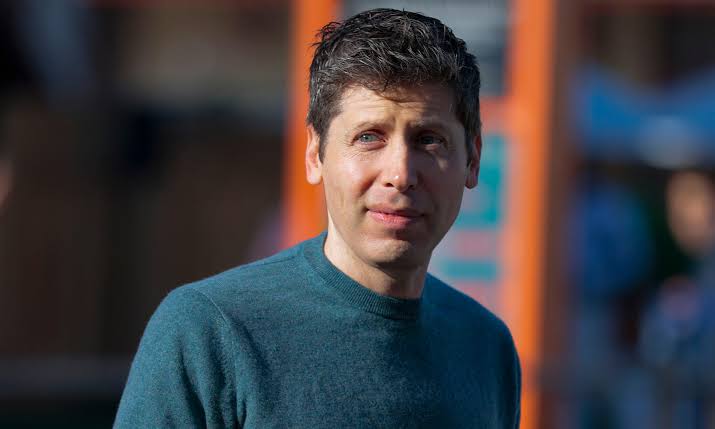
Sam Altman reportedly told Politico that the world should embrace calculated risks instead of demanding perfect safety from artificial intelligence systems. The OpenAI CEO made the comments in a Monday interview. Society, he argued, has to tolerate some negative outcomes if it wants to keep the technological advantages and user autonomy that frontier models deliver.
He reportedly refused to trade those gains for a guarantee against hacks, scams, or misuse. The Next Web covered the remarks, though they haven’t been officially confirmed against the full interview transcript. Altman framed the position as essential for keeping powerful tools in public hands.
“We believe that the world should accept some bad things happening for the benefits of this technology and people having the agency,” Altman reportedly said.
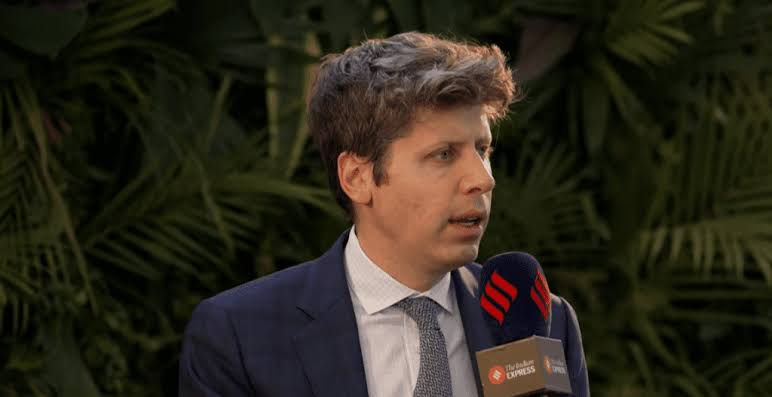
Defining the Acceptable Harm Threshold
The distinction Altman reportedly draws comes down to severity. He acknowledges that malicious actors will exploit AI capabilities for fraud or deception. Even so, he argues that widespread adoption yields significantly more positive results than detrimental ones. Users gain unprecedented agency when they can deploy advanced reasoning and generation tools without restrictive barriers, which enables faster workflows and creative exploration.
That said, the CEO reportedly drew a hard line at existential threats. Scenarios involving a serious loss of control over autonomous systems, he warned, are not something society can accept. The focus remains on mitigating catastrophic failure modes while allowing everyday innovation to flourish despite minor abuses. This approach rejects the notion that zero incidents should be the baseline for deployment. Utility comes before theoretical perfection. He argued that the world must prioritize benefit distribution over absolute incident suppression.
The Frontier Model Standoff With Anthropic
The reported exchange also touches on tensions with rival lab Anthropic. Altman addressed proposals suggesting that extreme danger warrants centralizing control within a single laboratory to distribute gains selectively. He reportedly dismissed that concentration of power as an unacceptable trade-off. Broader accessibility, he insisted, outweighs the security benefits of monopoly control.
This perspective has been described as clashing with advocacy from Anthropic leadership. CEO Dario Amodei reportedly published an essay urging the industry to decelerate model improvement rates. Altman reportedly backed the call. That would mark a rare moment of alignment between the competing firms. An Anthropic spokesperson reportedly clarified that the proposed regulatory framework applies exclusively to frontier models, the most capable systems currently available. The divergence highlights a potential strategic rift over how aggressively these entities should push development boundaries.
Regulatory Implications and Industry Response
These comments reportedly arrive alongside the debut of Decoded, a new daily tech newsletter and podcast from Politico designed to track high-stakes technology developments. The platform uses the interview to set the agenda for ongoing discussions about governance structures across multiple jurisdictions. Policymakers worldwide are scrutinizing whether current oversight mechanisms adequately address the spectrum of harms Altman described. Regulators face mounting pressure to differentiate between manageable usage risks, such as targeted fraud, and unmanageable systemic dangers that threaten infrastructure stability.
The reported interview shows how hard it is to craft rules that prevent monopoly hoarding without stifling the very progress Altman champions. Competitors continue to watch closely as OpenAI defines the boundaries of acceptable deployment. The world is watching too. The conversation shifts toward practical safeguards that protect users while preserving competitive dynamics among major developers competing for talent and compute resources.
Sam Altman’s reported insistence on accepting imperfect safety marks a potential pivot in public discourse. The argument places the burden of risk assessment onto society rather than leaving it solely to developers. Labs are expected to release increasingly capable models. Human oversight becomes the primary mitigation strategy. The coming months will reveal whether regulators adopt this risk-tolerance framework or impose stricter containment measures. Developers must navigate growing scrutiny while defending their commitment to open access. They face intense pressure. The balance between innovation velocity and harm reduction remains the defining challenge for the entire sector. For more detail, see VentureBeat AI.
FAQs
What
Source: Thenextweb
Was this article helpful?
Your feedback directly improves future articles on this site.