LAFC0
LAFC0 LA0
LA0 Mohun Bagan
 Chennaiyin
 PSG
PSG Lyon
Lyon Sevilla
 Osasuna
 NED
NED OMA
OMA NZ
NZ IND
IND NAM
NAM IRE
IRE PAK
PAK SL
SL SA
SA AUS
AUS BAR1
BAR1 RMA2
RMA2 UDI0
UDI0 MIL2
MIL2 RSO2
RSO2 LEV1
LEV1 LEC0
LEC0 JUV2
JUV2 BRB76/3 (9/15 ov)
 MOW
MOW NZ-A317
 IND-A113 & 299/4 (78 ov)
 SYL280/2 (84 ov)
 KHU
KHU MYMS465/7d
 CHATT134/2 (40 ov)
 DHA521
 RAJ103/6 (26 ov)
 RAN402
 BAR179/3 (56.1 ov)
 LUL
LUL SPR
SPR TOK
TOK MIS
MIS MEX-W51 (12.5/20 ov, target 187)
 ARG-W186/7
 NGA148
 UGA147/9 (20 ov, target 149)
 GMB112/9
 LES109 (19.5/20 ov, target 113)
 MOZ110/7 (19/20 ov, target 110)
 ZMB109/9
 IND-W328/6
 ZIM-W207 (48.5/50 ov, target 329)
 ENG241
 Abha
Abha Al Faisaly
 Neftchi Fergana
 Al Ittihad
 Besiktas
 Istanbul BB
 Caykur Rizespor
 Trabzonspor
 Al Ahli
 Al-Gharafa
 SUN0
SUN0 LEE0
LEE0 SCF1
SCF1 MUN3
MUN3
Royal Challengers Bengaluru and Gujarat Titans arrive at the IPL 2026 Qualifier 1 in Dharamsala separated by net run rate alone, tied 1-1 in their head-to-head this season and level at 4-4 across their entire history against each other. Two settled, disciplined sides — each having used the fewest players in the tournament — with sharply contrasting philosophies and a direct route to the final on the line.
This is not a contest that demands radical tactical reinvention from either team. Both have built their campaigns on stability, role clarity, and minimal deviation from core plans. But within that framework, specific match-ups, length battles, and phase-based decisions could determine who books a place in the final.
Here is how both sides can secure the tactical upper hand.
The Primary Battle: Getting Bowlers Off Their Lengths
At the heart of this contest is a battle between two of the finest powerplay bowling units in the competition. Bhuvneshwar Kumar and Kagiso Rabada are the season’s highest wicket-takers. Josh Hazlewood and Mohammed Siraj provide support. The foundation of all four bowlers’ success has been their ability to operate consistently in the 6-8 metre length zone — probing, moving the ball, and waiting for batters to miscalculate.
Both batting sides will target the same solution: disrupt the bowlers’ rhythm by taking away their preferred length.
The Hazlewood Blueprint
The data around Hazlewood is revealing. Of his 12 wickets this season, 11 have come when batters have simply responded to what he has bowled — playing the ball on its merits without premeditation. When batters have tried to take control by moving around the crease, the results have been mixed for them, but the principle is clear: Hazlewood is most effective when he dictates terms.
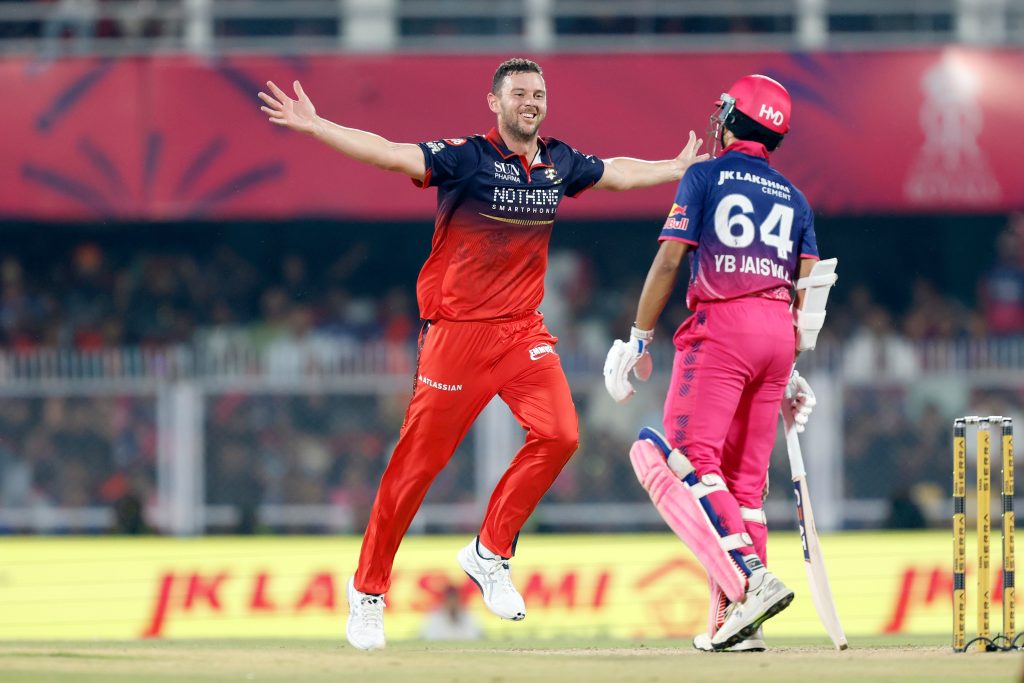
GT were the first team to challenge him on this front, scoring 16 off five balls from him in Ahmedabad by charging and backing away to disrupt his lengths.
| Batter Approach vs Hazlewood | Economy Conceded |
|---|---|
| Responded conventionally | Normal |
| Stepped out | 13.71 |
| Moved across crease | 21.75 |
| Backed away | 10.90 |
Phil Salt is the most likely candidate to attempt this on behalf of RCB — his aggressive, front-foot style is well-suited to attempting to neutralise Hazlewood’s precision by disrupting his rhythm early.
Bhuvneshwar and Siraj: Different Stories
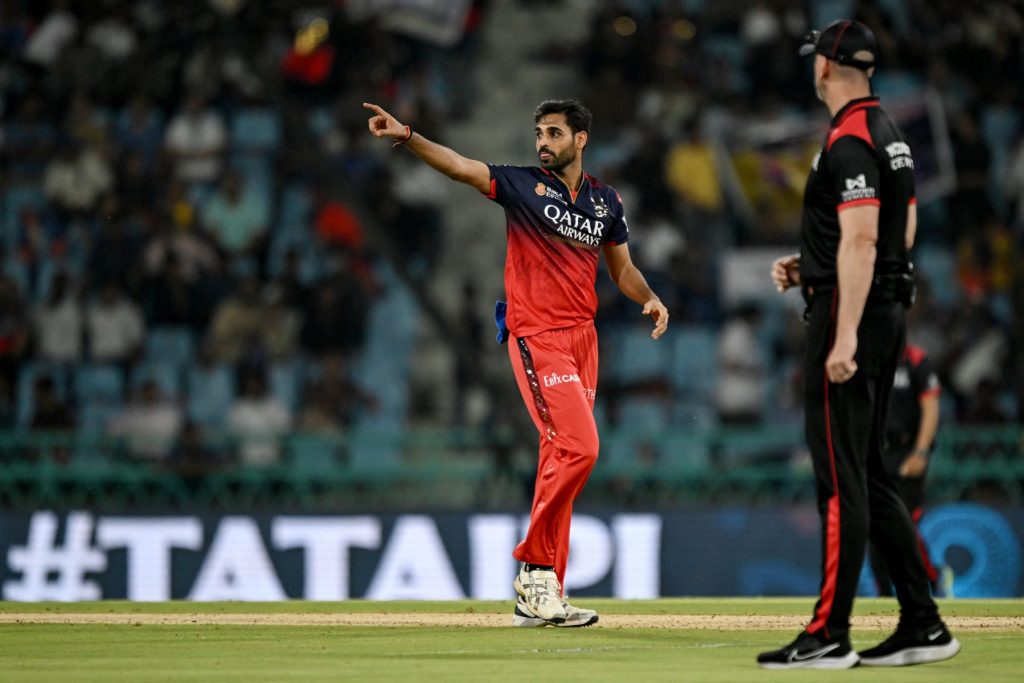
Against Bhuvneshwar, batters have tried the same disruption far more frequently — stepping out 22 times across the season — for just 20 runs and two dismissals. He has proven almost immune to this approach, with his variations and control absorbing the aggression without conceding the bowling advantage.
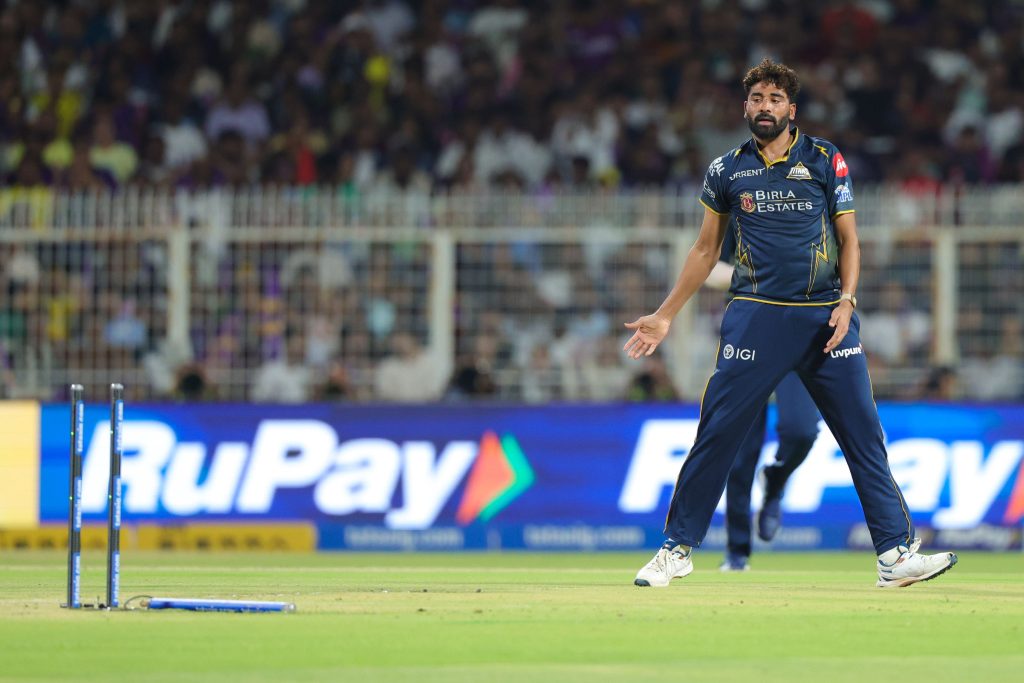
Siraj, by contrast, has been taken for 10 runs off five balls by batters who have stepped out or repositioned. Salt presents the clearest threat to him from the RCB side, having shown a good strike rate against both Rabada and Siraj.
The tactical signal: Shubman Gill should look to unsettle Hazlewood by moving around the crease rather than down the pitch, while Salt’s aggression against Siraj could define the opening powerplay exchanges for RCB.
Early Match-Up: Exploit the Established Patterns
Neither side has any reason to veer from their strategy of frontloading with fast bowlers and bowling good lengths from the first ball. The historical match-up data reinforces this.
| Key Early Match-Ups | Bowler | Batter | Dismissals | Economy |
|---|---|---|---|---|
| Bhuvneshwar vs Gill | Bhuvneshwar | Gill | 5 in 13 innings | ~Run a ball |
| Hazlewood vs Sudharsan | Hazlewood | Sudharsan | 2 dismissals | 28 runs |
| Rabada vs Kohli | Rabada | Kohli | 5 in 16 innings | — |
| Siraj vs Padikkal | Siraj | Padikkal | 3 dismissals | 41 runs |
Bhuvneshwar has dismissed Gill five times in 13 innings at roughly a run a ball — a dominant record. Hazlewood has accounted for B Sai Sudharsan twice. On the RCB side, Rabada has dismissed Kohli five times in 16 encounters, while Siraj has removed Padikkal three times for just 41 runs.
Salt presents a more complicated picture — a good strike rate against both Rabada and Siraj, but dismissed twice by each. The new ball exchanges involving these specific match-ups will shape the first six overs decisively.
Rabada for Patidar: GT’s Middle-Over Decision
Rashid Khan holds favourable match-ups against Padikkal, Tim David, and Krunal Pandya. But the biggest threat GT face in the middle overs comes from Rajat Patidar, whose strike rate after the 10th over this season is an extraordinary 207.37.
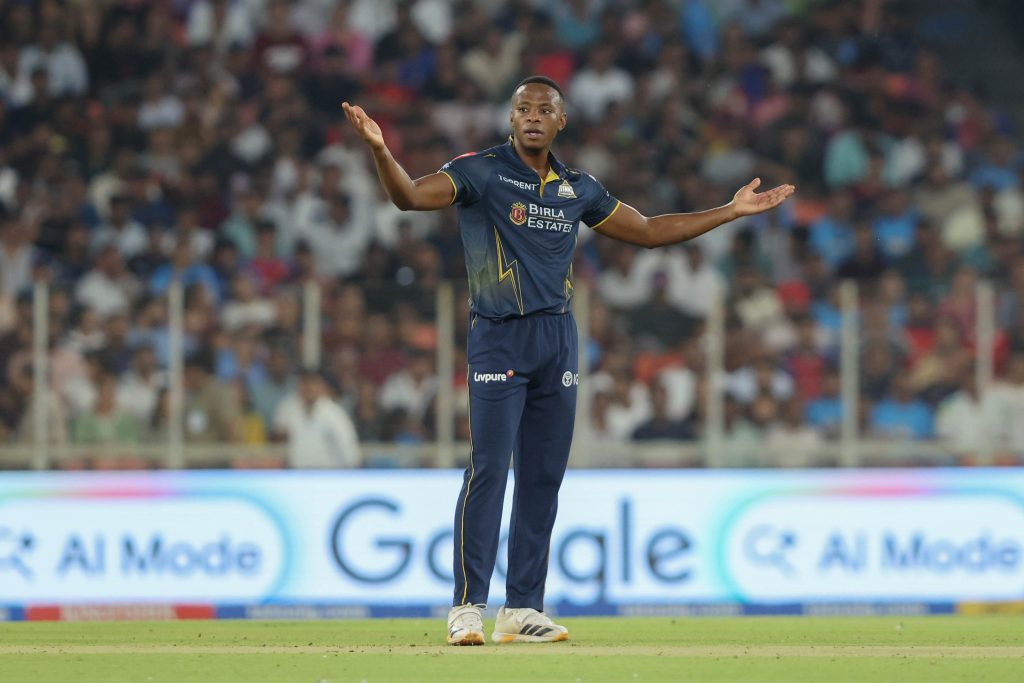
Rabada has bowled 24 balls to Patidar for just 17 runs without a wicket — a disciplined record, but not a dismissal yet. This match-up may be where GT consider extending Rabada’s spell into the middle overs specifically to target Patidar’s entry point.
Prasidh Krishna adds another dimension. His record against Patidar — 20 balls, 18 runs, no wickets — may influence GT’s Impact Player selection, with Krishna potentially coming in ahead of a left-arm spin option given the night conditions at Dharamsala, where spin has historically been used sparingly. Arshad Khan, who dismissed Patidar with a short ball in Ahmedabad, offers a third route.
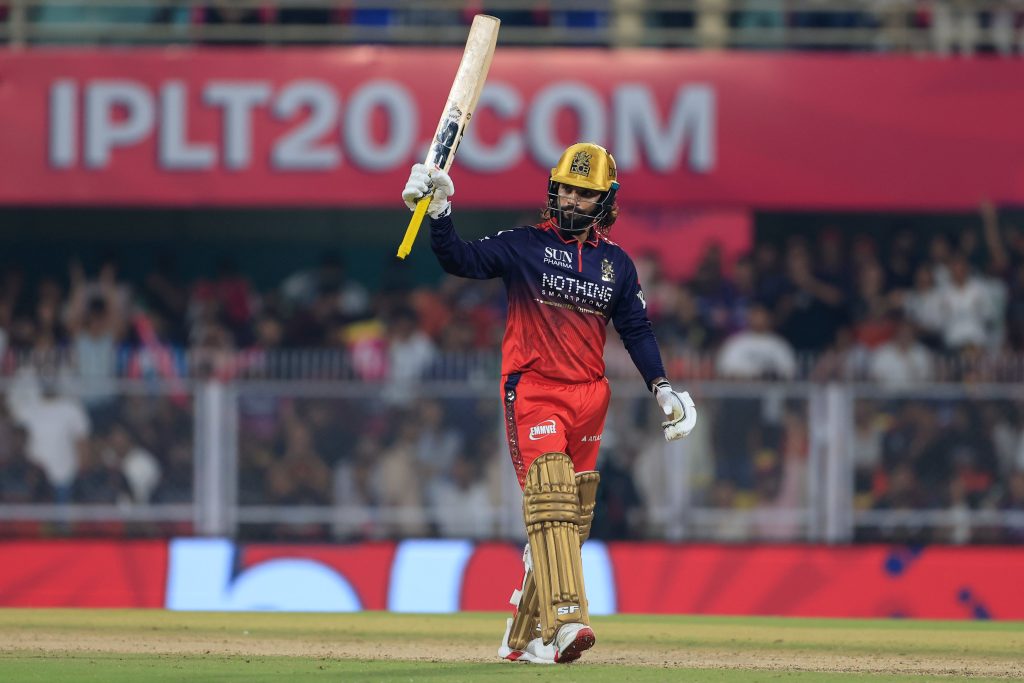
The likely scenario: back-to-back overs from Rabada and Prasidh in the middle overs if Patidar is at the crease, with Arshad as a short-ball follow-up option. This kind of sustained pressure from multiple angles could be GT’s best route to breaking Patidar before he accelerates.
Hold Back Bhuvneshwar for Buttler: RCB’s Middle-Over Plan
RCB face a specific challenge with Jos Buttler. The GT opener has never been dismissed by any of the other three Indian bowlers in RCB’s attack, and both Hazlewood and Romario Shepherd have been expensive against him.
Bhuvneshwar presents the clearest solution. If RCB cannot expose Buttler to the new ball in the powerplay, holding back at least one of Bhuvneshwar’s overs specifically for when Buttler is batting in the middle phase could prove decisive. Krunal, who has maintained an economy rate under 10 against Buttler, could partner him in consecutive overs to create sustained pressure.
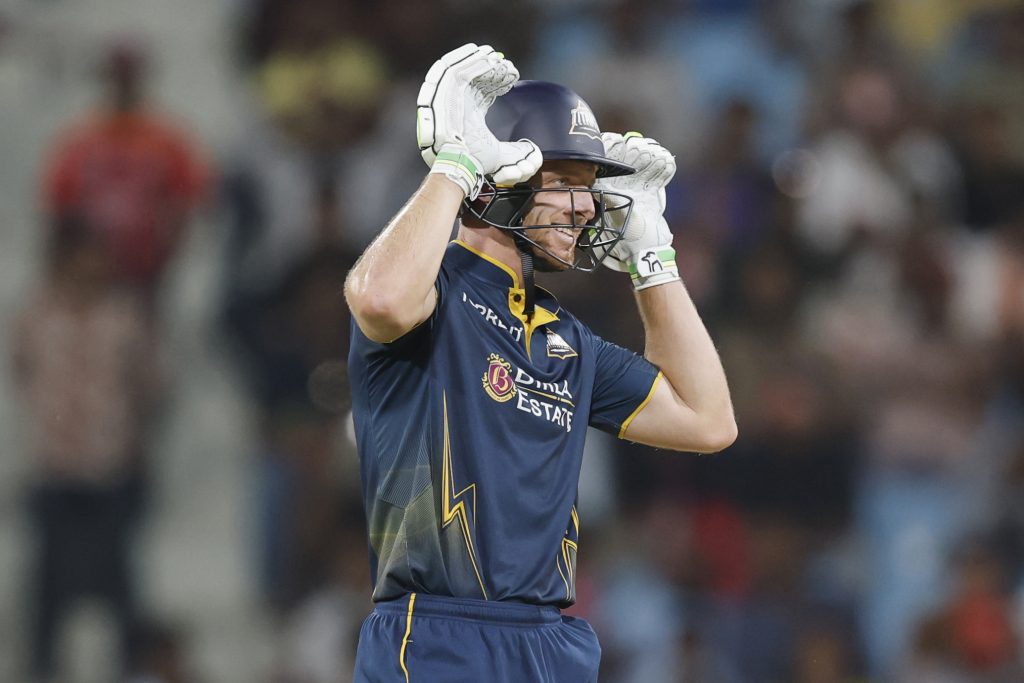
The tactical logic is sound: two bowlers who have demonstrated the ability to contain or threaten Buttler, deployed in tandem at the moment his presence is most dangerous.
The Contrasting Philosophies: Why This Match-Up Matters Beyond the Game
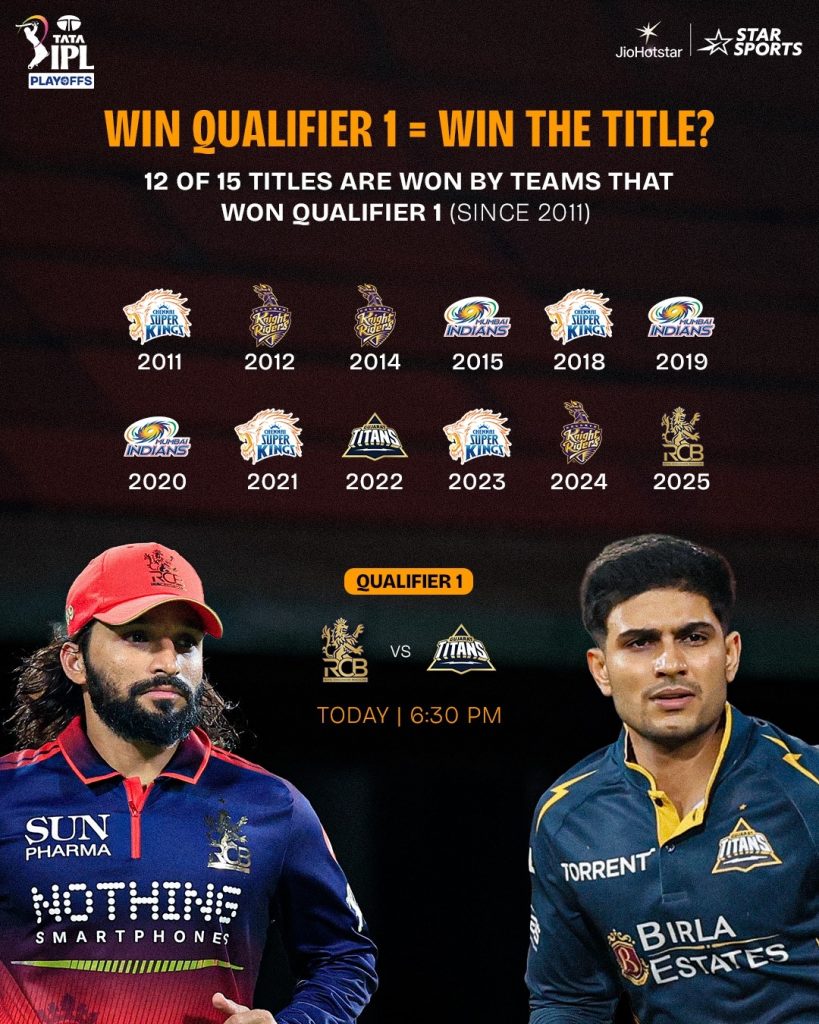
This Qualifier 1 sits within a broader context. Since the IPL expanded to ten teams in 2022, the league has entered a genuinely fluid era — four consecutive seasons have produced four different champions, the first such run in the competition’s history. GT and RCB have been the two defining teams of this period.
| Teams with Best Win % Since IPL 2022 | Matches | Won | Lost | Win % |
|---|---|---|---|---|
| Gujarat Titans | 74 | 46 | 28 | 62.16% |
| Royal Challengers Bengaluru | 74 | 43 | 31 | 58.11% |
| Rajasthan Royals | 75 | 38 | 36 | 50.67% |
Both sides topped the league stage the season after winning their respective titles — a feat previously achieved only by Mumbai Indians across 2019 and 2020.
But their philosophies diverge sharply. RCB are built on modern T20 optimisation: clearly defined batting roles across phases, complementary skillsets, and phase-specific bowling. Six batters with 100-plus runs at strike rates above 160 this season. GT, by contrast, remain the league’s great counterculture success story — top-order batsmanship that bats deep, absorbs responsibility, and scores with extraordinary consistency. Their top three faced 66.7% of balls this season and contributed 69.4% of batting runs.
RCB distribute match-winner contributions widely — 12 different Player of the Match winners across the last two seasons. GT have produced only eight, all from their top three or strike bowlers.
The structural vulnerability this creates for RCB is clear. When opponents have taken early wickets — three down inside eight overs — RCB have lost five of seven such matches since 2025. Their phase-based batting model requires intact wickets for designated finishers to enter on preferred entry points. GT’s bowling attack, which averages 5.5 wickets conceded per innings by the start of the death overs, is perfectly constructed to create exactly this kind of disruption.
For GT, the pathway to the final runs through the powerplay. For RCB, it runs through protecting their structure long enough for Patidar, David, and Krunal to take over.
Read More: What Went Wrong for Jasprit Bumrah in IPL 2026? Inside His Most Difficult Season Yet