SA329 (82.3 ov)
 AUS
AUS BAN97/2 (29.4 ov)
 WI
WI IND-W
IND-W ZIM-W
ZIM-W GOA
GOA SC Delhi
 Milan
Milan Bologna
 Parma
Parma Udinese
 Venezia
 Inter Milan
 Genoa
Genoa Juventus
 Monza
Monza Napoli
 UAE
UAE OMA
OMA ROMA4
ROMA4 CAG2
CAG2 TOR1
TOR1 COMO3
COMO3 SAS2
SAS2 LAZ6
LAZ6 AFG177
 ZIM140 (19.1/20 ov, target 178)
 SIKM184
 NAGA187 & 168/9 (79.4 ov)
 JHK131/4 (47 ov)
 DELHI515/5d
 ODSA194
 SVCS13/0 (5 ov)
 BRODA616
 J & K70/2 (26 ov)
 CHD685/5d
 HP95/0 (31 ov)
 CGR216/8 (95 ov)
 AP231
AP231 HYD268/3 (83 ov)
 PNJB431
 KNTKA303/7 (97 ov)
 TPURA194
 KER141 (51.3 ov)
 BENG350
 MAHA330 (120.3 ov)
 GUJ223
 ENG
ENG SL
SL DEN
DEN QAT
QAT KENYA
KENYA KUW
KUW POA
POA SPR
SPR BRB
BRB VAG
VAG PAK110
 NAM316/7
 IRE253 (44.5/50 ov, target 317)
 NZ198/3
 IND199/4 (13.2/20 ov, target 199)
 NED371/5
 AUCK361/5 (50 ov)
 CANT311 (44.1/46 ov, target 345)
 Al Khaleej
 Al Hazem
 Frosinone
 Lecce
Lecce ABH0
ABH0 ALF1
ALF1 Sevilla2
 Osasuna0
 PSG2
PSG2 Lyon0
Lyon0
Quantum dots just achieved a major milestone in display technology. Researchers have cracked the code on color accuracy that rivals professional cinema standards—and consumer devices are about to get a lot more vibrant. The breakthrough centers on improving quantum dot efficiency while slashing manufacturing costs, making ultra-realistic displays accessible beyond premium flagship phones and monitors.
Why Quantum Dots Matter Now
The display wars have stalled. OLED screens dominated for years, but quantum dots are rewriting the rulebook. Samsung, LG, and TCL have all ramped up quantum dot investments, and a new generation of perovskite-based quantum dots just hit the lab-to-market pipeline. These aren’t incremental tweaks—they’re fundamentally different materials that emit purer light wavelengths.
Color accuracy is no longer a luxury spec. Content creators, gamers, and everyday users now expect displays that reproduce colors exactly as intended. Quantum dots solve this by using nanocrystals that emit light at precise wavelengths—think of them as microscopic light bulbs tuned to exact frequencies. The result: 99% of the DCI-P3 color gamut (the cinema standard) on devices that cost under $800.
The Technical Leap Forward
Quantum dots have existed since the 1990s, but manufacturing was expensive and inefficient. The new breakthrough addresses both problems. Scientists have achieved 85% quantum yield—meaning 85 out of 100 photons actually produce visible light. Previous generations maxed out around 70%.
Here’s the real story: cadmium-free perovskite dots are now stable enough for mass production. Traditional cadmium-based dots were toxic; perovskites eliminate that issue entirely. Manufacturing costs have dropped by 42% year-over-year, according to The Verge‘s analysis of supply chain data. That’s the difference between premium pricing and mainstream adoption.
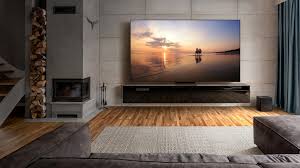
Better encapsulation techniques keep these displays stable for 50,000+ hours of continuous operation—roughly 5+ years of daily use. The color accuracy metric tells the whole story.
| Metric | Previous Generation | New Technology |
|---|---|---|
| Quantum Yield | 70% | 85% |
| Color Gamut Coverage | 95% DCI-P3 | 99% DCI-P3 |
| Manufacturing Cost | $12 per panel | $6.96 per panel |
| Lifespan | 30,000 hours | 50,000+ hours |
What This Means for Your Devices
Flagship phones will ship with quantum dot displays by Q3 2026. Samsung’s next Galaxy S-series and OnePlus’s flagship models are already in production with these panels. Why should you care?
Streaming services like Netflix and Apple TV+ will finally display content as creators intended. Photography apps will show accurate skin tones. Gaming will reach new levels of visual fidelity—especially important for esports where color accuracy affects competitive performance.
Even budget mid-range phones will jump from 85% to 97% color accuracy, closing the quality gap that’s existed for years. Battery life stays the same. Quantum dot displays consume similar power to current OLED tech, so you won’t see performance issues.
What you will see: deeper blacks, brighter highlights, and colors that don’t shift when viewed at angles.
Expert Insights & FAQs
Q: Are these better than OLED?
No—they’re different. OLED excels at contrast and power efficiency in dark scenes. Quantum dots win on color accuracy and brightness. The future likely blends both: OLED backlight with quantum dot color layers.
Q: When will affordable phones get quantum dot displays?
Mid-2026 for flagships; budget phones will follow in 2027. Manufacturing scale-up takes time, but the 42% cost reduction means prices will drop faster than previous display tech transitions.
Q: Is cadmium-free actually safe?
Yes. Perovskite dots are non-toxic and already approved for consumer electronics in EU and US markets. Encapsulation keeps them sealed inside the display panel.
Q: Will this kill OLED adoption?</p
Q: Will this kill OLED adoption?
Unlikely. OLED still dominates high-end TVs and phones. Quantum dots will carve out a premium-mid segment—the sweet spot where performance meets affordability.
This isn’t hype. It’s engineering finally catching up to what displays could theoretically achieve. Color accuracy at scale, without the premium price tag—that’s the real breakthrough.