MEX-W
MEX-W ARG-W
ARG-W ATL1
ATL1 CHI0
CHI0 DC0
DC0 CIN0
CIN0 ORL0
ORL0 NYC0
NYC0 PHI0
PHI0 NE0
NE0 Santos0
 Bahia1
 UAE
UAE NED
NED PAK
PAK ENG
ENG IND-W
IND-W ZIM-W
ZIM-W GMB
GMB LES
LES MOZ
MOZ ZMB
ZMB Inter Milan
 Fiorentina
 Churchill
 Punjab FC
 NGA
NGA UGA
UGA ATM1
ATM1 DEP0
DEP0 LAZ2
LAZ2 PAR1
PAR1 RCL2
RCL2 PAR1
PAR1 RIY2
RIY2 TAA1
TAA1 NZ-A218/6 (66.4 ov)
 IND-A113
 SYL
SYL KHU
KHU MYMS299/4 (87 ov)
 CHATT
CHATT DHA293/3 (84.1 ov)
 RAJ
RAJ RAN320/5 (80 ov)
 BAR
BAR DEN
DEN PNG
PNG NAM321/6
 IRE290 (47.3/50 ov, target 322)
 NZ180/5
 IND181/6 (19.5/20 ov, target 181)
 WEL0
WEL0 MBV0
MBV0 Athletic
 Getafe
 C Palace
 Newcastle
 Hull
Hull Brentford
 Liverpool
 Brighton
 Man United
 Bournemouth
 Atalanta
 Frosinone
 CHE0
CHE0 TOT2
TOT2 VAL1
VAL1 VIL2
VIL2
Cristiano Amon announces Samsung partnership at CES 2026—but Digital Chat Station claims both Gen 6 variants stick with TSMC N2P, exposing foundry negotiation poker game.
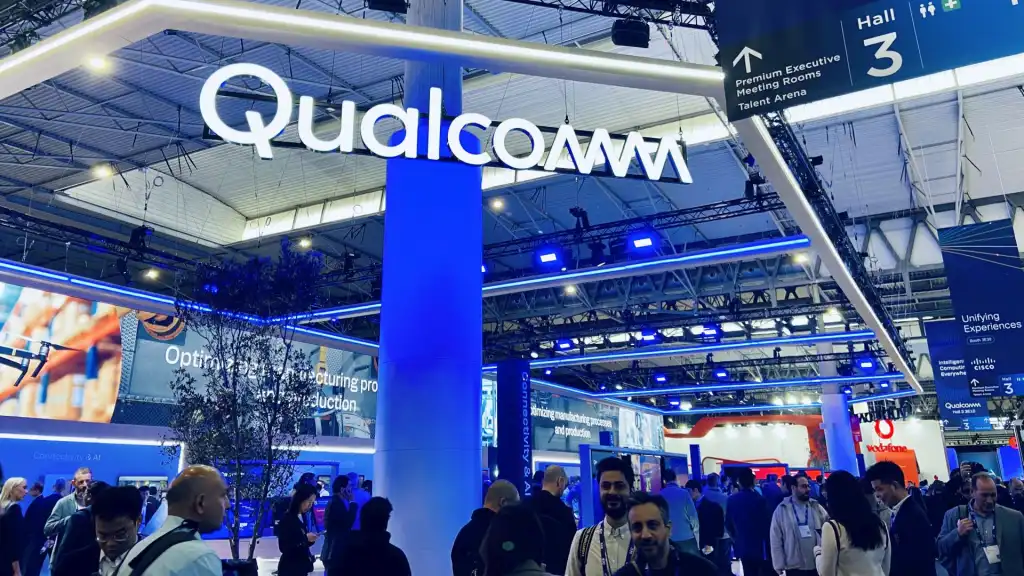
Qualcomm’s 2nm foundry strategy just revealed itself as a high-stakes negotiation game. However, as for outsourcing manufacturing for companies like Qualcomm later this year, when the Snapdragon 8 Elite Gen 6 Pro and Snapdragon 8 Elite Gen 6 will be announced, talks have yet to materialize, with a tipster stating that, at least for now, both SoCs will be fabricated on TSMC’s 2nm ‘N2P’ node—directly contradicting Qualcomm CEO Cristiano Amon’s CES 2026 confirmation that discussions between the two companies are moving forward.
Amon said, “Among various foundry companies, we started discussions with Samsung Electronics first on contract manufacturing using the latest 2nm process”. The disconnect exposes semiconductor industry’s complex dance where public statements signal intent while actual orders remain fluid until months before production.
The Tale of Two Timelines
| Source | Claim | Chipset | Timeline |
|---|---|---|---|
| Cristiano Amon (CEO) | Active Samsung 2nm talks, design complete | Snapdragon 8 Elite Gen 5 (implied) | “Soon” commercialization |
| Digital Chat Station (leaker) | TSMC N2P exclusive | Gen 6 Pro (SM8975) + Gen 6 (SM8950) | H2 2026 announcement |
| Wccftech Analysis | Talks exist, but no firm orders for Gen 6 yet | Both generations potentially split | 2026-2027 |
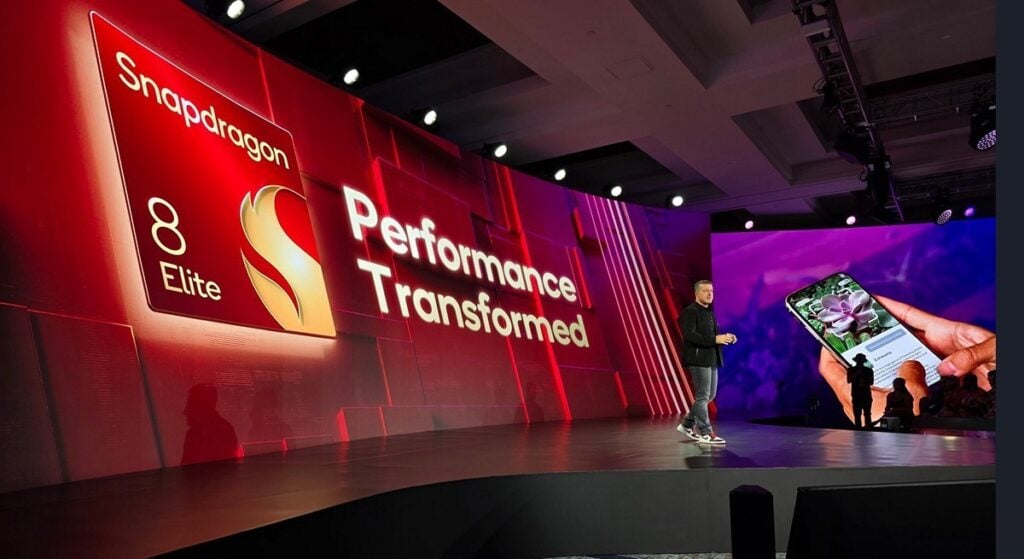
The Snapdragon 8 Elite Gen 6 Pro and Snapdragon 8 Elite Gen 6 sport the unique designation numbers SM8975 and SM8750, respectively, with Weibo tipster Digital Chat Station commenting that, based on the current timeline, Qualcomm is exclusively sticking with TSMC. This suggests Amon’s CES announcement addresses Snapdragon 8 Elite Gen 5 (launching late 2025/early 2026), not Gen 6 (late 2026/early 2027).
Samsung’s 2nm Comeback: Progress But Not Enough
The inception of the Exynos 2600 is a positive sign for Samsung’s 2nm GAA process, as it is solid proof that the company can leverage its cutting-edge technology and maintain healthy yields to bridge the foundry and technological gap with TSMC. These gradual improvements have rewarded the firm by inking a multi-billion-dollar deal with Tesla, not to mention securing 2nm GAA orders from Chinese cryptocurrency manufacturers.
Samsung’s yield progression tells the recovery story:
- Early 2025: 30% yields (unusable for commercial production)
- Mid-2025: 50% yields (Exynos 2600 becomes viable)
- Late 2025: 60%+ yields (Tesla AI6 chip order secured)
- Target 2026: 70%+ yields (competitive with TSMC’s 75-80%)
However, there could be a change in plans because the chipset manufacturer was previously reported to have completed the design work on Samsung’s version of the Snapdragon 8 Elite Gen 5, suggesting that, if everything works out, the latter could be mass produced on the 2nm GAA node.
The “if everything works out” qualifier is critical—Qualcomm likely sent Samsung test chips for evaluation, with Gen 6 orders contingent on performance/yield validation, according to semiconductor sourcing strategies.
The $280 Chipset Economics Problem
From a business perspective, Qualcomm should enter talks with Samsung as early as possible. After all, with the Snapdragon 8 Elite Gen 5 estimated to cost $280 per unit and the Snapdragon 8 Elite Gen 6 Pro rumored to be reserved for the most premium of Android flagships due to its high manufacturing cost, a dual-sourcing strategy will help the San Diego firm’s future prospects, reducing its manufacturing costs and helping maintain better margins.
The cost pressure breakdown:
- TSMC N2P wafers: $30,000 each (50% premium over 3nm’s $20,000)
- Samsung SF2P wafers: $20,000 each (33% cheaper, but lower yields increase effective costs)
- Gen 5 chipset cost: $280/unit (up from Gen 4’s $200-220)
- Gen 6 Pro projected cost: $350-400/unit (if TSMC exclusive)
At $280-400 per chipset, flagship phones requiring these SoCs must retail at $1,200+ to maintain margins—pricing that increasingly alienates consumers. Samsung’s cheaper wafers offer relief, but only if yields reach 70%+ (otherwise, discarding half the chips per wafer negates cost savings).

Snapdragon 8 Elite Gen 6 Pro: The TSMC N2P Exclusive
Based on internal analysis, N2P nodes should deliver around an 18% performance uplift over TSMC’s N3E node that underpins chipsets like the Snapdragon 8 Elite for Galaxy inside the Galaxy S25 Ultra while also reducing power consumption by over a third. The N2P advantages justify TSMC exclusivity for Gen 6:
Performance gains:
- 18% faster at same power (critical for gaming, AI workloads)
- 36% lower power at same performance (battery life extension)
- 2+3+3 CPU cluster (rumored architecture vs current 2+6)
- Adreno 850 GPU + LPDDR6 RAM support (Pro exclusive)
The leak adds that Qualcomm’s talks with Samsung about manufacturing 2nm chips are still pending at the moment—meaning even if Amon’s CES announcement succeeds for Gen 5, Gen 6 remains TSMC’s game unless Samsung’s Q1-Q2 2026 yield data impresses Qualcomm engineers.
Galaxy Z Flip 8: Samsung’s Consolation Prize
Whatever that chip may be, it’s unlikely to bear the Snapdragon 8 Elite Gen 6 name. The leaker reiterated his previous claims that the new top-tier chip will have two versions, both manufactured with TSMC’s N2P process. If Samsung wins any Qualcomm 2nm orders, they’ll likely be:
- Snapdragon 8 Elite Gen 5 variant for Galaxy Z Flip 8 (5-10M units annually)
- Snapdragon 7-series mid-range chips (lower performance requirements)
- Custom “For Galaxy” editions (marketing differentiation, not architectural changes)
This limited scope protects Qualcomm from Samsung yield disasters while giving Samsung Foundry a high-profile reference customer—mutually beneficial PR without billion-dollar commitments.
The Poker Game: Public Statements vs Private Orders
Amon’s CES announcement serves multiple strategic purposes beyond literal truth:
1. Pressure TSMC pricing: Publicizing Samsung talks forces TSMC to negotiate wafer costs more aggressively.
2. Hedge geopolitical risk: Taiwan Strait tensions make dual-sourcing strategically prudent even if Samsung costs more.
3. Strengthen Samsung relationship: Qualcomm needs Samsung as smartphone customer (Galaxy S/Z series)—foundry talks build goodwill.
4. Buy time for Samsung validation: Public commitment encourages Samsung to prioritize Qualcomm’s yield improvement requests.
The reality: Qualcomm’s talks with Samsung about manufacturing 2nm chips are still pending at the moment—talks exist, firm orders don’t. Gen 5 might see limited Samsung production; Gen 6 remains TSMC until proven otherwise.
What Happens Next
Q1 2026: Samsung’s Exynos 2600 (Galaxy S26) and Qualcomm’s Gen 5 evaluation chips reveal whether Samsung’s 2nm is production-ready for third-party orders.
Q2-Q3 2026: If Samsung hits 70%+ yields, Qualcomm may split Gen 6 orders (Pro to TSMC, standard to Samsung) or keep planning Gen 7 (2027) dual-sourcing.
Q4 2026: Gen 6 tape-out finalizes foundry choice—leaks will confirm TSMC exclusive or Samsung breakthrough.
For now, trust the leakers over CEO statements: Snapdragon 8 Elite Gen 6 Pro and Gen 6 are TSMC N2P projects—Samsung’s 2nm Qualcomm comeback remains aspirational, not operational.
Also Read: TSMC N2P vs Samsung SF2P Process Comparison | Snapdragon 8 Elite Gen 6 Rumored Specs