Mohun Bagan
 Chennaiyin
 PSG
PSG Lyon
Lyon Sevilla
 Osasuna
 NED
NED OMA
OMA NZ
NZ IND
IND NAM
NAM IRE
IRE PAK
PAK SL
SL SA
SA AUS
AUS BAR1
BAR1 RMA2
RMA2 UDI0
UDI0 MIL2
MIL2 RSO2
RSO2 LEV1
LEV1 LEC0
LEC0 JUV2
JUV2 BRB10/1 (1.3/20 ov)
 MOW
MOW NZ-A317
 IND-A113 & 220/2 (59 ov)
 SYL280/2 (84 ov)
 KHU
KHU MYMS465/7d
 CHATT134/2 (40 ov)
 DHA521
 RAJ103/6 (26 ov)
 RAN402
 BAR179/3 (56.1 ov)
 LUL
LUL SPR
SPR TOK
TOK MIS
MIS MEX-W51 (12.5/20 ov, target 187)
 ARG-W186/7
 NGA148
 UGA147/9 (20 ov, target 149)
 GMB112/9
 LES109 (19.5/20 ov, target 113)
 MOZ110/7 (19/20 ov, target 110)
 ZMB109/9
 IND-W328/6
 ZIM-W207 (48.5/50 ov, target 329)
 ENG241
 LAFC
LAFC LA
LA Neftchi Fergana
 Al Ittihad
 Besiktas
 Istanbul BB
 Caykur Rizespor
 Trabzonspor
 Al Ahli
 Al-Gharafa
 SUN0
SUN0 LEE0
LEE0 SCF1
SCF1 MUN3
MUN3
Gamers hoping the PlayStation 6 would be the most technically pure AMD-powered console ever made just got a reality check. Reliable hardware leaker KeplerL2 dropped a bombshell on NeoGAF: Sony’s next-gen console won’t include the complete RDNA 5 GPU feature set. And honestly? This story is more nuanced than the headline suggests.
The Leak That Started It All
KeplerL2 — who has an excellent track record with AMD hardware predictions — casually dropped the news during a forum discussion, stating: “PS5 is just RDNA1 + Ray tracing… PS6 isn’t full RDNA 5 either.” It wasn’t a dramatic announcement, more of a matter-of-fact clarification. But the gaming community promptly exploded.
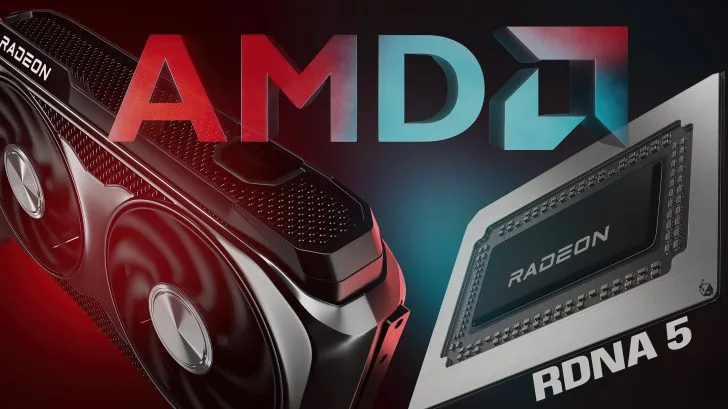
The leaker, who had previously compared PS6’s GPU to the AMD Radeon RX 9070 XT and praised RDNA 5 as potentially more capable than NVIDIA’s Blackwell architecture, is now suggesting Sony will use a custom hybrid approach — cherry-picking the best RDNA 5 features rather than implementing them wholesale.
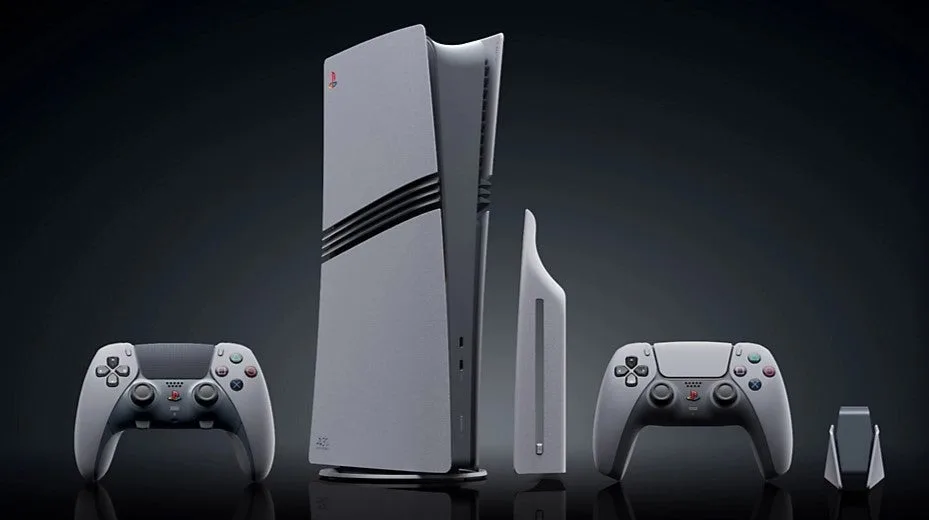
What We Know About PS6 Specs So Far
| Component | Leaked Spec | Comparison |
|---|---|---|
| GPU | Custom RDNA 5 hybrid | Not full RDNA 5 feature set |
| CPU | AMD Zen 6 cores | Next-gen architecture |
| RAM | Up to 30 GB GDDR7 | 11%+ better bandwidth than PS5 Pro |
| Memory Bandwidth | 640+ GB/s | Massive leap from PS5 |
| Ray Tracing | 6–12x better than PS5 | RTX 5090-level RT performance |
| Launch Window | 2027–2029 (disputed) | Potentially delayed |
Why Sony is Cutting Features — It’s the Economy, Stupid
Sony isn’t skimping for fun. The ongoing RAM and storage crisis has driven component prices through the roof, and with a Zen 6 CPU and 30 GB of GDDR7 already in the mix, manufacturing costs are sky-high. A full RDNA 5 GPU, particularly one sized for high-end console performance, would add even more expense. By selectively implementing features, Sony can keep the PS6 accessible without gutting its performance credentials.
There’s also a launch timeline pressure. Sony is even considering delaying the PS6’s tentative 2027 launch window to 2028 or even 2029, which only adds more complexity to the hardware design calculus.
This Is Sony’s Playbook — And It Works
Here’s the thing fans are missing: Sony has done this before, and it worked brilliantly. The PS5 didn’t use full RDNA 2 either — it was a custom blend of RDNA 1 with dedicated ray tracing hardware bolted on. That console still delivered stunning exclusives and outsold the competition dramatically.
Mark Cerny, Sony’s lead system architect, has built a reputation for extracting extraordinary performance from custom silicon rather than off-the-shelf designs. The PS5 didn’t use the entire feature set of the RDNA 2 architecture and still pulled some magic off — thanks to deep Sony-AMD collaboration. Expect the same here.
The Xbox Wildcard
The next-gen Xbox is reportedly faster than the PS6, featuring 64 compute units of RDNA 5 with GDDR7 memory — a larger, more powerful configuration. If PS6 does arrive in 2029 with a cost-optimized RDNA 5 hybrid, Sony will need to be extremely aggressive with pricing and exclusive game quality to hold its dominant market position.
For more on the console wars heating up and next-gen gaming hardware, stay tuned as this story develops rapidly.
Confirmed Features That Will Be in PS6
Despite the hybrid architecture, Mark Cerny has already teased some exciting hardware highlights:
- Neural Arrays — dedicated AI compute units working as a unified AI engine for ML-powered upscaling
- Radiance Cores — dedicated ray traversal hardware for real-time ray tracing and path tracing
- Massive bandwidth improvements (640+ GB/s)
The Verdict
Is “not full RDNA 5” a dealbreaker? Absolutely not. A console really isn’t about maxing out hardware specs; it’s more about a balance between performance and efficiency, and a sweet cost. If Sony delivers a PS6 with 6–12x better ray tracing, 30 GB of GDDR7, AI-powered upscaling, and a price point under $600, the feature checklist won’t matter one bit when the games look incredible.
The real question isn’t what the PS6 doesn’t have — it’s what Sony does with what it’s got.
Follow our gaming hardware coverage and AMD GPU updates for more PS6 developments as they unfold.