NAM321/6 (50 ov)
 IRE
 GMB
 ZMB
 NGA
 LES
 CAG
 BOL
 COMO
 SAS
 FCA
 FCU
 KOE
 S04
 M05
 SVW
 RBL
 ELV
 MOZ19
 UGA23/0 (0.5/20 ov, target 20)
 NZ180/5
 IND181/6 (19.5/20 ov, target 181)
 Ipswich1
 Nottm Forest1
 Alavés1
 Málaga1
 WA105/3 (18.5/50 ov, target 372)
 NSW371/8
 DEN
 KUW
 KENYA
 QAT
 SWD-W
 EPR-W
 TTN-W
 WPR-W
 BOR
 WAR15/1 (2.5/20 ov)
 LIONS
 Limpo21/1 (2.5/20 ov)
 NZ-A135/3 (41 ov)
 IND-A113
 DHA293/3 (84.1 ov)
 RAJ
 MYMS
 CHATT
 RAN320/5 (80 ov)
 BAR
 MEX-W
 ARG-W
 UAE
 NED
 PAK
 ENG
 IND-W
 ZIM-W
 AFG170/3 (34.3/50 ov, target 170)
 ZIM169
 SCP
 HSV
 ARS
 EVE
 Torino3
 Monza2
 Brest1
 Nice2
 Stuttgart2
 Gladbach3
 Al Ahli4
 Al Khaleej1

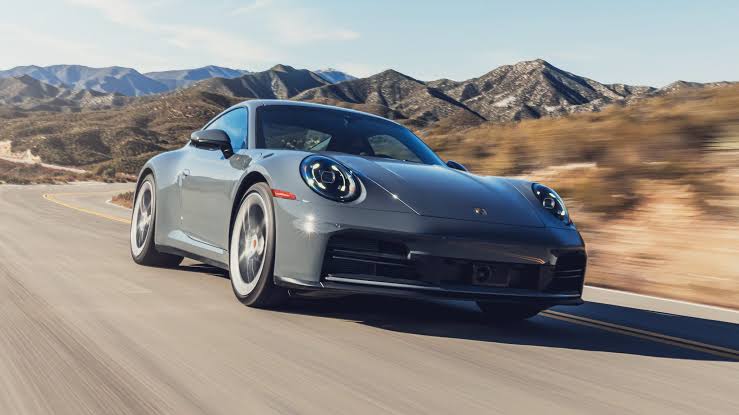
The Porsche 911 defines the sports car segment through a strict adherence to rear-engine dynamics and driver-focused engineering. Unlike modern supercars that chase exotic materials, Porsche prioritizes mechanical purity and predictable handling. This approach raises fundamental questions about its long-standing design choices.
Why does the 911 retain its controversial rear-engine layout after decades? How does Porsche balance brutal track capability with everyday comfort? And what role have forced induction systems played in shaping its legacy? Exploring these questions reveals why the 911 remains the benchmark for performance vehicles.
Why Does the 911 Retain Its Rear-Engine Layout?
The air-cooled heritage established by Ferdinand Porsche demanded a layout that maximized grip while keeping the chassis simple. Placing the engine behind the rear axle lowers the polar moment of inertia, allowing the car to rotate quickly through corners. Critics often cite this setup as prone to snap-oversteer, yet modern electronic aids have tamed it without dulling the experience.
The weight distribution sits near 38 percent front and 62 percent rear, creating a distinct driving character. This unique balance forces engineers to constantly refine suspension geometry rather than rely solely on computer intervention, much like we observed when Testing Mazda MX-5’s Claims regarding chassis rigidity. Understanding this foundation explains how Porsche tackles the challenge of dual-purpose performance.
How Does Porsche Balance Daily Usability With Track Performance?
Porsche achieves this duality through highly configurable chassis electronics and adaptive damping systems. Drivers can toggle between Normal, Sport, and Sport Plus modes, altering throttle response, steering weight, and exhaust notes instantly. For instance, the 992 generation features Porsche Active Suspension Management (PASM), which adjusts damper stiffness based on road conditions and driver input.
This flexibility allows a driver to cruise comfortably in traffic during the day and tackle a racetrack with precision at night. The interior also retains practical storage spaces, proving that a pure sports car can still accommodate daily life. Such versatility begs the question of how power delivery has evolved to support these varied demands, prompting buyers to evaluate What Role Do Turbochargers Play in the 911’s Evolution?
While early models relied on naturally aspirated engines for linear power delivery, the industry shift toward efficiency forced Porsche to adopt turbocharging. By integWould Mazda MX-5? meet similar fuel economy targets. The 911’s performance tuning philosophy centers on refinement rather than revolution. Every component, from the rear-mounted engine to the Intelligent turbo system, serves a clear purpose: enhancing driver engagement.
Porsche resists the temptation to overcomplicate its formula, instead focusing on incremental improvements that elevate the driving experience. This steadfast commitment to mechanical integrity ensures the 911 remains relevant across generations, offering insights into Mazda Miata Driving dynamics as well. FAQ Is the rear-engine layout safe for modern driving? Yes, advanced stability control systems manage the weight transfer effectively. Does the 911 offer manual transmission options? Certain variants like the GT3 still provide a six-speed manual gearbox for purists. How does the 911 compare to competitors in reliability? It consistently ranks high due to rigorous testing standards.### What makes the Porsche 911’s rear-engine layout unique?
The Porsche 911’s rear-engine layout provides enhanced traction and stability, especially during acceleration. This design allows the weight of the engine to rest over the rear wheels, improving grip and handling dynamics, which is crucial for high-performance driving.
How has turbo technology evolved in the Porsche 911?
Turbo technology in the Porsche 911 has evolved significantly, transitioning from simple turbochargers to sophisticated systems that enhance power and efficiency. Modern models utilize variable geometry turbos and advanced engine management systems, allowing for quicker response times and improved fuel economy while maintaining the iconic performance characteristics of the 911.
Related Articles
- Comparing Five Year Ownership Costs Between Mazda Miata and Honda Civic
- New 50% Vehicle Levy Part Of Escalating Trade War Between US
- Toyota Highlander EV Reportedly Delayed Again In 2026
Was this article helpful?
Your feedback directly improves future articles on this site.