SA329 (82.3 ov)
 AUS
AUS BAN
BAN WI
WI IND-W
IND-W ZIM-W
ZIM-W GOA
GOA SC Delhi
 Milan
Milan Bologna
 Parma
Parma Udinese
 Venezia
 Inter Milan
 Genoa
Genoa Juventus
 Monza
Monza Napoli
 ROMA4
ROMA4 CAG2
CAG2 TOR1
TOR1 COMO3
COMO3 SAS2
SAS2 LAZ6
LAZ6 AFG177
 ZIM140 (19.1/20 ov, target 178)
 AUCK
AUCK CANT
CANT CD
CD ND
ND SIKM184
 NAGA187 & 46/4 (34 ov)
 JHK131/4 (47 ov)
 DELHI515/5d
 ODSA194
 SVCS13/0 (5 ov)
 BRODA616
 J & K6/0 (4 ov)
 CHD685/5d
 HP49/0 (14 ov)
 CGR216/8 (95 ov)
 AP231
AP231 HYD193/2 (54 ov)
 PNJB431
 KNTKA297/7 (95 ov)
 TPURA194
 KER101/6 (35 ov)
 BENG350
 UAE
UAE OMA
OMA ENG
ENG SL
SL DEN
DEN QAT
QAT KENYA
KENYA KUW
KUW POA
POA SPR
SPR BRB
BRB VAG
VAG PAK110
 NAM316/7
 IRE253 (44.5/50 ov, target 317)
 NZ198/3
 IND199/4 (13.2/20 ov, target 199)
 NED371/5
 JAB113 (19.3/20 ov, target 133)
 KAY132/9
 Gamba Osaka
 Buriram
 Kashima
 Pohang Steelers
 ABH0
ABH0 ALF1
ALF1 Sevilla2
 Osasuna0
 PSG2
PSG2 Lyon0
Lyon0
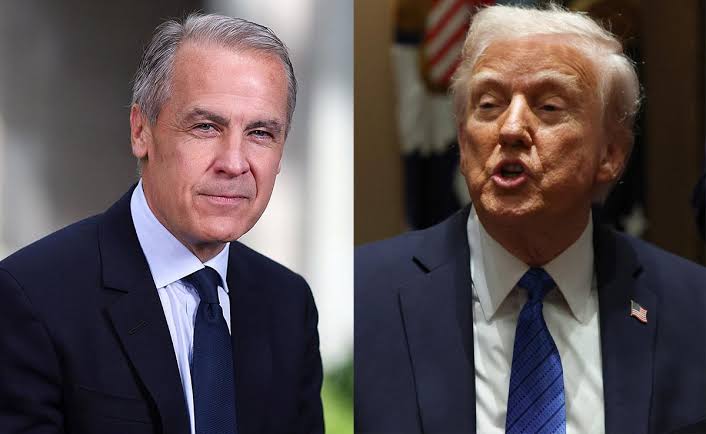
A new 50% vehicle levy from Washington reportedly took effect Monday, August 24, 2026, after talks broke down over auto tariff disputes that have festered for years. It’s the latest front in an escalating trade war between the U.S. and Canada.
The fresh tariffs hit roughly $20 billion in Canadian exports. Bad timing too, coming at a moment when consumer
According to Jalopnik, the collapse stems from longstanding disagreements over light-duty vehicle exemptions and Canadian auto parts. Canadian Prime Minister Mark Carney says those issues killed any chance of a negotiated settlement. Here’s the thing though: none of this is new.
It’s the predictable outcome of old auto tariff holdups that never got resolved. Now it threatens to push both economies deeper into inflationary trouble.
The $20 Billion Wall: Tariffs At A Glance
The new levy applies a 50% tariff on roughly $20 billion worth of Canadian exports entering the United States. Staggering figure, right? Especially since tariff relief went only to light-duty vehicles. Medium and heavy-duty trucks were completely locked out of any leniency. For wider coverage, see Motor Trend.
Carney told Automotive News that Washington’s demands were “uneconomic, unfair, and undermined the net benefits for Canada.” He added they called into question the reliability of any future deal.
| Metric | Detail |
|---|---|
| New tariff rate | 50% on Canadian vehicle exports |
| Exports affected | Roughly $20 billion |
| Tariff relief scope | Light-duty vehicles only |
| Excluded categories | Medium and heavy-duty trucks |
| Talks status | Collapsed as of August 24, 2026 |
The numbers tell a brutal story. A 50% duty stacked on top of existing trade friction effectively doubles the cost burden for Canadian automakers shipping south. U.S. consumers will pay the price too. For more on the market impact, see Roadshow by CNET.
Two Sticking Points That Sank The Deal
The first unresolved issue centered on a proposed exemption for Canadian auto parts that would have substantially lowered duty rates. Washington balked, and according to Carney, that refusal alone was enough to stall everything.
The second involved broader sovereignty concerns. Some U.S. demands would have limited Canada’s ability to make trade deals with other countries, and they’d have undercut French language protections in Quebec. These aren’t trivial bureaucratic details.
Think about auto parts exemptions: they determine the effective tariff rate on vehicles built with cross-border components. And nearly every vehicle assembled in North America uses parts from both countries.
The French language issue cuts to Canada’s domestic politics. Any deal seen as weakening linguistic protections would be politically toxic in Quebec.
Why This Escalation Matters In 2026
Trade tensions between the neighbors have simmered for years. But this levy crosses a dangerous threshold. Previous disputes mostly limited tariffs to specific sectors or used them as bargaining chips.
A blanket 50% vehicle levy on $20 billion in exports is a different animal entirely. It’s a statement that the automotive relationship has structurally changed. And the timing? Couldn’t be worse.
North American consumers are already dealing with elevated vehicle
Slap a 50% tariff on Canadian-built vehicles and that cost lands directly on dealership lots. Canadian manufacturers and U.S. buyers will both feel the squeeze. And this isn’t just about vehicles.
The trade talk collapse creates uncertainty across the wider U.S.-Canada economic relationship. If Washington will impose punitive tariffs over auto parts and truck classifications, what sector is next? That question hangs over every future negotiation between the two countries.
The Road Ahead
Canadian officials haven’t said how they’ll respond, though history suggests retaliatory measures likely within weeks. That would expand the conflict beyond vehicles into agriculture, energy, and other traded goods. A spiral neither economy needs.
For automakers, the immediate effect is planning chaos. Supply chains built on the assumption of frictionless cross-border movement now face a 50% cost penalty. Executives are being forced to rethink where they build and source components.
For regulators on both sides, the collapse exposes how fragile these decades-old trade mechanisms really are
Related Articles
- Mitsubishi Pajero Returns: 2026 Digital Updates vs Rivals, Price and Specs
- Mahindra Thar Electric SUV: India's Iconic Off-Roader Goes Electric
- Tata Motors European EV Launch: What's Confirmed and What's Not
FAQs
How does the vehicle levy part of escalating trade war between the United States and Canada impact cross-border automotive manufacturing and supply chains?
The vehicle levy part of escalating trade war between the United States and Canada imposes heavy financial burdens on automakers who rely on seamless cross-border shipping for parts and finished models. Industry leaders like General Motors and Ford face increased operational costs that threaten to disrupt established production schedules and cross-border assembly lines.
What specific actions did Prime Minister Justin Trudeau take when the vehicle levy part of escalating trade war between the nations was first announced?
Prime Minister Justin Trudeau responded to the tariffs by implementing targeted retaliatory measures against key American exports to protect Canadian manufacturing interests. He also engaged trade representatives in urgent negotiations to resolve the long-standing auto tariff holdups that originally triggered the diplomatic dispute.
Was this article helpful?
Your feedback directly improves future articles on this site.